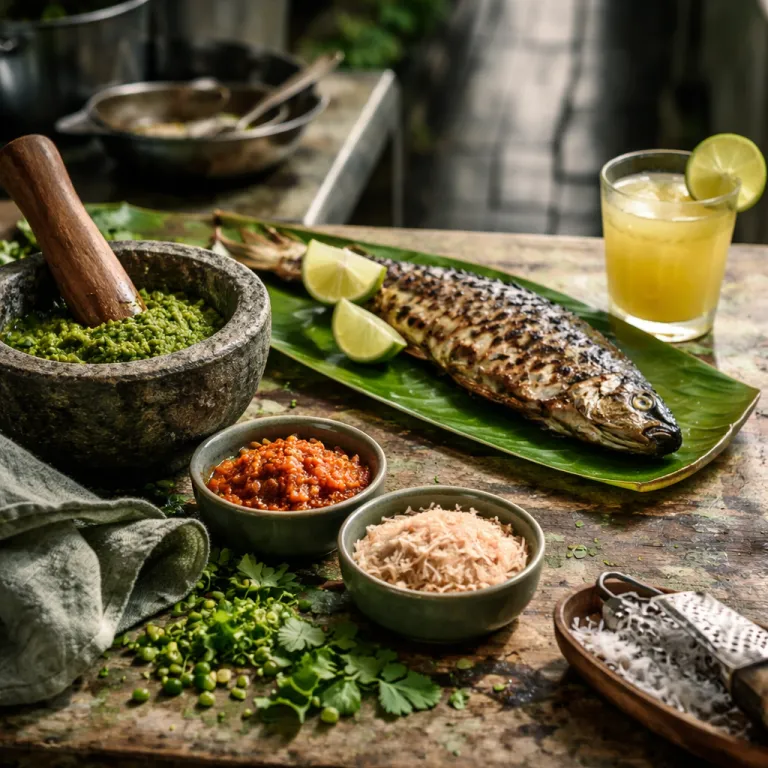
Why the best restaurants for Mauritian local food sit beyond your hotel gates
Luxury resorts in Mauritius serve polished plates, but the island’s most characterful places to eat Mauritian food usually sit just beyond the guarded gate. Step outside and the food shifts from international crowd pleasers to layered dishes shaped by Indian, African, Chinese and French influences that define true Mauritian cuisine. If you care about a memorable dining experience as much as a high thread count, you will plan where to eat with the same precision you use to choose your suite.
Think of the island as a series of edible neighbourhoods, each with its own rhythm, street food and signature dishes. Around Grand Baie, a short taxi ride from many premium hotels, you move from a refined seafood restaurant located on the lagoon to a plastic stool where a vendor folds dholl puri around rougaille créole and pickles. On the south and west coasts, the coastal road links fishing villages where the catch of the day still arrives in wooden pirogues and the best place for fresh seafood might be a family terrace rather than a white tablecloth.
For guests scrolling through Google while the concierge pushes the hotel restaurant, the signal to follow is always where locals eat. A good rule on this island is simple: if a place fills with Mauritian families on Sunday, the food will be honest, the curry will be fragrant and the rum will be poured with a generous hand. As one Port Louis office worker queuing for lunch put it, “When you see aunties and kids sharing plates, you know the food is real.” This is where food Mauritius becomes more than a search term and turns into an experience you will remember long after you leave.
Port Louis, markets and street food that define Mauritian flavour
Port Louis is where you feel the island’s appetite most clearly, and it is where many of the best restaurants for Mauritian local food quietly shop each morning. Start at the Central Market on Farquhar Street, open daily from early morning until mid-afternoon, where the air smells of ripe mango, palm heart, coriander and dried fish stacked beside sugar cane ready for pressing into juice. Here you understand why dholl puri, a popular street food praised by the Mauritius Tourism Promotion Authority and local food writers, is so widely recommended.
Walk past the vegetable stalls and you will find narrow counters serving mine frite, gateaux piment and bowls of rougaille créole spooned over rice for office workers who didn’t eat breakfast. This is not staged authenticity; it is the daily dining experience that shapes how Mauritian cooks season their dishes at home and in every serious restaurant located across the island. When you later sit down to a refined curry in a luxury hotel, you will taste the same chilli, the same tomatoes, the same fresh herbs that began their day here.
Along the waterfront, the Caudan area has become a polished extension of this energy, with cafés and stalls that make it easy for cautious travellers to eat street food without sacrificing comfort. Events such as the annual Bread Festival at Caudan Waterfront, usually held over a weekend in the cooler months, show how seriously Mauritian bakers now treat grain, fermentation and flavour, and they quietly influence what appears in hotel bread baskets. For a deeper look at how high end properties translate this market energy into plated art, read the guide to gourmet dining experiences through luxury hotel booking before you reserve.
Coastal tables: from Grand Baie to Trou d’Eau Douce
Leave Port Louis and follow the coastal road north and east, and you meet a string of addresses that quietly rank among the best restaurants for Mauritian local food. Around Grand Baie, where luxury hotels cluster, you can move from a refined dining setting with linen and stemware to a simple terrace where the catch of the day is grilled over charcoal within a single evening. This mix lets you shape a dining experience that suits both your appetite and your itinerary.
In the north, Le Pescatore in Trou aux Biches (on the coastal road and typically open for dinner most days of the week; always check current hours) has long been a reference for fresh seafood, pairing line caught fish with subtle Mauritian spices rather than masking them. Nearby, in villages such as Trou d’Eau Douce and Poste de Flacq, you find more casual places where a plate of grilled octopus, a bowl of curry and a glass of local rum might cost less than a hotel cocktail. When you read reviews on Google, pay attention to how often Mauritian guests mention specific dishes rather than only the view; that is usually a sign the kitchen understands flavour first.
On the east coast, many premium resorts now curate off property evenings so guests can eat in a restaurant located in a nearby village without worrying about logistics. Use them, but also leave space to wander and follow your nose towards smoke and music, especially around Flacq and the smaller beaches between Belle Mare and Trou d’Eau Douce. If you are staying near Belle Mare, this guide to elegant beachside dining in Belle Mare will help you balance refined hotel meals with more grounded local tables.
When hotel dining is worth the splurge
Not every memorable meal in Mauritius happens on a plastic chair, and some hotel restaurants genuinely earn their premium. Le Château de Bel Ombre, set in a restored manor amid sugar cane fields in the south and open most evenings for dinner with advance booking according to the estate, is a clear example where French technique meets local ingredients and the result feels rooted rather than imported. Here, a plate might pair palm heart with citrus, or match fresh seafood with a sauce built on garden herbs and a whisper of local rum.
La Table du Château, under long-time resident chef Fabio de Poli at Domaine de Labourdonnais in Mapou, has become another reference point for travellers who care about both comfort and authenticity. He reimagines Creole classics, turning rougaille créole into a refined sauce for grilled fish or folding traditional spices into delicate Mauritian dishes that still taste like home to locals. These are the rare places where staying inside the estate walls for dinner feels like an intelligent choice rather than a lazy default.
Several high end resorts now curate culinary calendars with visiting Michelin starred chefs, especially in the south where Heritage Resorts has taken the lead with seasonal guest-chef weeks. These events work best when the guest chefs engage with Mauritian cuisine rather than simply importing European tasting menus, using the island’s fish, vegetables and fruit as their canvas. If you are planning a stay focused on gastronomy, pair such events with nights out in independent restaurants so your overall dining experience reflects both polished technique and the everyday food Mauritius residents actually eat.
How to plan a food led stay in Mauritius
Planning where to sleep and where to eat should happen together if you want the best restaurants for Mauritian local food within easy reach. Choose your hotel not only for its pool and spa, but also for its proximity to Port Louis, Grand Baie or the more characterful villages along the coastal road. A property that sits near a working fishing village will always give you better access to fresh seafood and street food than a remote enclave with only one internal restaurant.
Use online maps and Google reviews as a starting point, then cross check with local advice from concierges who actually leave the property on their days off. Ask them where they go for curry, where they buy palm heart salad, where they would take visiting friends for a special dining experience that still feels Mauritian. Often, the answer will be a modest restaurant located in a side street rather than the obvious place on the main road.
Once you arrive, keep one evening unplanned in each region so you can follow a recommendation picked up that day, whether it leads you to a terrace in Grand Baie or a quiet table near Flic en Flac. If you value refined comfort after a long day of eating your way around the island, consider pairing such explorations with a stay in a property known for thoughtful service and calm, such as those featured in this guide to refined coastal comfort and relaxed luxury. Done well, your trip becomes a sequence of meals and rooms that speak to each other, each amplifying the other’s sense of place.
FAQ
What is the one Mauritian dish I should not miss ?
If you only have time for one emblematic taste, choose dholl puri from a trusted street food vendor in Port Louis or a busy coastal town. The combination of soft flatbread, yellow split peas, rougaille créole and pickles captures the island’s Indian and Creole influences in a single bite. Pair it with a glass of fresh sugar cane juice or an alouda for a complete local experience.
Are reservations necessary at popular restaurants in Mauritius ?
Reservations are strongly recommended at well known independent restaurants and at high end hotel dining rooms, especially on weekends and during local holidays. Many of the best restaurants for Mauritian local food are small, and walk in guests may be turned away when the terrace is full. Booking ahead also allows you to request specific dishes such as whole grilled fish or special curries that require more preparation.
Can I find good vegetarian options in Mauritian cuisine ?
Vegetarian travellers eat very well in Mauritius because many Mauritian dishes have Indian roots and rely heavily on pulses, vegetables and spices. Look for dholl puri, vegetable curries, lentil stews, palm heart salads and street food snacks such as gateaux piment, which are naturally meat free. Most serious restaurants will adapt menus on request, but it is wise to mention your preferences when you reserve.
Is street food safe to try for visitors staying in luxury hotels ?
Street food is a central part of food Mauritius culture and is generally safe if you follow basic common sense. Choose stalls with high turnover, where locals queue and the food is cooked fresh in front of you, and avoid anything that has been sitting uncovered for too long. If you are unsure, ask your hotel concierge to point you towards trusted vendors in Port Louis, Grand Baie or near your resort.
When is it worth dining in my hotel instead of going out ?
Hotel dining is worth the premium when the property has a clear culinary identity, strong local sourcing and chefs who engage deeply with Mauritian cuisine. Places such as Le Château de Bel Ombre or La Table du Château show how refined settings can still honour local fish, spices and vegetables. Use them for special evenings, then balance your stay with simpler meals in independent restaurants and markets so you experience the full range of the island’s food culture.
Sources
Mauritius Tourism Promotion Authority – official visitor information on Port Louis Central Market, street food culture and regional dining areas.
Restaurant websites and estate pages – current details on opening hours, menus and chef profiles for Le Pescatore, La Table du Château and Le Château de Bel Ombre.
L’Express and Defi Media food features – local press coverage on Mauritian dishes, coastal village eateries and notable fine dining addresses across the island.