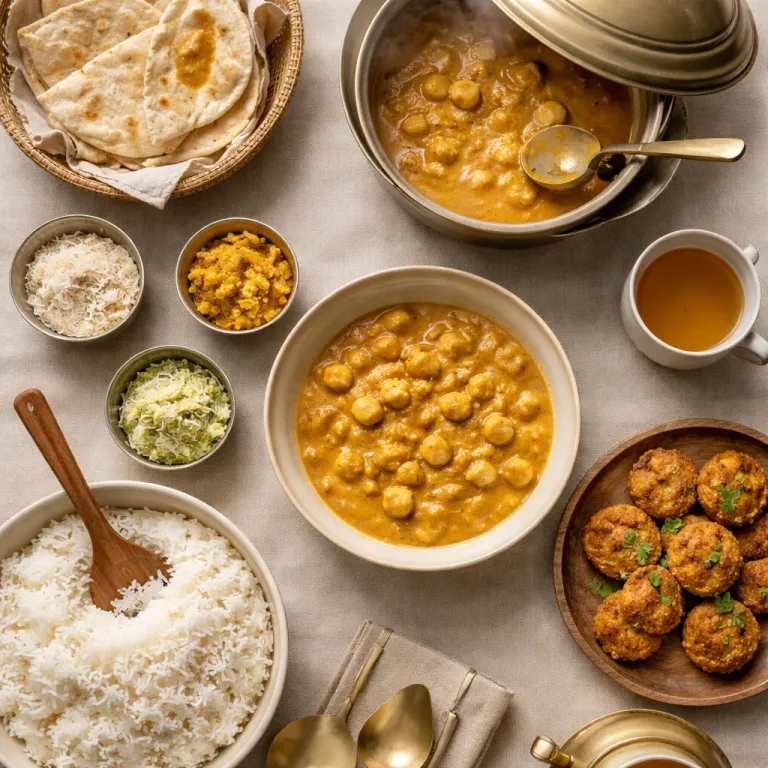
Why a Mauritius food experience with locals belongs in your luxury stay
A true Mauritius food experience with locals begins far from the polished buffet line. On this island, the most memorable Mauritian food moments are often served in family courtyards, where curry simmers next to grilled fish and someone’s uncle tops up your rum with a grin. For a solo explorer used to five-star service, sharing Mauritian dishes at a plastic table can feel more luxurious than any white tablecloth.
Home dining and informal Mauritian cooking sessions have become the quiet counterpoint to hotel fine dining, offering food that is cooked to family taste rather than to a generic international menu. You sit with hosts who talk about sugar estates, rum and sugarcane fields, and the way ginger-garlic paste changes from one grandmother to another, while plates are served small and often until you lose count of the dishes. As one Port Louis host likes to say, “You don’t just taste Mauritius, you meet the people behind the recipes.” This is where Mauritian cuisine stops being an abstract idea and becomes the story of one household on one beach-facing island.
Luxury travellers booking a beach resort in Mauritius now routinely ask for curated local food experiences alongside their spa and lagoon activities. The smartest properties partner with local chefs and guides who run culinary tours and cooking classes, so guests can move from an elegant restaurant to a family kitchen in Port Louis within the same day. That contrast between polished service and local improvisation is precisely what turns a good trip into the best kind of island memory.
From hotel restaurant to home table: how Otentik style experiences work
Think of Otentik-style experiences as a bridge between your hotel restaurant and the streets of Port Louis. You might start the day with a refined breakfast at your beach resort, then meet a guide for a food tour that threads through the Central Market, side lanes of street food, and finally a private home where lunch is waiting. The Mauritius food journey becomes a full-day narrative rather than a single reservation.
Operators such as Food Tour Mauritius typically keep groups small, often under ten, so conversations about Mauritian cuisine and classic Mauritian dishes can flow naturally. A typical tour lasts around three hours, weaving between stalls where fish is still gleaming on ice, piles of palm heart are trimmed for heart salad, and vendors press you to taste chilli paste before you buy. Prices for these guided walks usually start around MUR 2,000–2,500 per person (roughly EUR 40–55 / USD 45–60), including tastings. By the time you sit down for curry or fish rougaille in a family courtyard, you already know where every ingredient was grown or landed.
For travellers staying along the east coast, these home dining experiences pair beautifully with refined coastal meals in Belle Mare. Before or after a market-focused food tour, you can explore where to eat in Belle Mare along the coastal road and compare hotel menus with what is served small and generous in private homes. That interplay between curated restaurant tasting menus and improvised local cooking is what gives an authentic Mauritius food experience its depth, especially when your concierge helps with transfers and timing.
Port Louis, street food icons and the dishes hotels rarely serve
Port Louis is the island’s beating heart for street food and the most direct entry point into everyday Mauritian food culture. The Central Market and surrounding streets form a dense grid of stalls where grilled snacks, fried treats and steaming curry pots compete with the scent of fresh fish. For a solo traveller, this is where a local food tour becomes tactile, noisy and gloriously unscripted.
Dholl puri is the emblem here, a flatbread filled with spiced split peas that locals eat on the move and that many luxury restaurants still treat as too humble for their menu. Guides on a Port Louis food tour will often insist you try several dholl puri vendors, comparing textures, chilli heat and the balance of ginger and garlic in the rougaille sauce. Expect to pay around MUR 20–30 for a dholl puri from a busy stall (well under EUR 1 / USD 1). “What is a typical Mauritian dish? Dholl puri, a flatbread filled with spiced split peas.”
Beyond dholl puri, look for grilled fish brushed with masala and lemon, fish rougaille ladled over rice, and palm heart transformed into a cool heart salad that rarely appears in hotel buffets. Street food here is not a sideshow; it is the daily restaurant for office workers, dock labourers and students, and it shows you how Mauritian cooking really works when no one is watching. After a day in Port Louis, a floating pontoon dinner at Le Barachois at Constance Prince Maurice feels even more special, because you can taste the same island ingredients handled with a very different hand.
From rhumeries to tea fields: rum, sugar and the island’s quiet tables
Leave the capital and the Mauritius food experience shifts again, this time into the slower rhythm of the countryside. Around Chamarel, the landscape folds into green hills where rum and sugarcane fields meet forests and viewpoints over the lagoon. Here, a visit to Rhumerie de Chamarel or the historic Saint Aubin estate can be paired with intimate lunches that show how rum, sugar and Mauritian cuisine intertwine.
At Rhumerie de Chamarel, tastings of agricole rum often sit alongside plates of grilled meats, Mauritian dishes built around palm heart, and desserts that lean into caramelised sugar and tropical fruit. Further south, Saint Aubin and nearby Bois Chéri tea fields offer another layer of the island story, where old plantation houses now host restaurant tables and home-style cooking. A local food experience in these settings might mean curry cooked slowly over charcoal, fish rougaille made with tomatoes from the garden, and rum served in small glasses at the end of the meal.
Many luxury beach resort concierges now weave these inland visits into curated itineraries, so guests can move from lagoon-facing grilled fish to highland heart salad in a single day. The best itineraries balance a structured tour with enough time to linger, talk to Mauritian hosts about their cooking, and understand how sugar once shaped every family on the island. It is this movement between coast and highlands, between rum distillery and tea veranda, that turns a simple tasting into a layered Mauritius food experience with locals.
Designing your own Mauritius food experience from a luxury base
Planning a Mauritius food experience from a high-end hotel is less about ticking boxes and more about sequencing contrasts. Start with what your beach resort already does well, whether that is an elegant Indian-inspired curry night, a seafood restaurant specialising in grilled fish, or a bar with a serious rum list. Then add the missing textures: a Port Louis street food tour, a home cooking session, and one inland day around Chamarel, Saint Aubin or Bois Chéri.
Solo travellers often benefit from joining small group tours run by local chefs and guides, which typically last around three hours and combine markets, hands-on cooking and shared meals. Wear comfortable clothing, inform hosts of dietary restrictions, and bring cash for market purchases, because some of the best ginger-garlic pastes and chilli sauces are sold from stalls that do not take cards. Are vegetarian options available? Yes, many tours offer vegetarian dishes and can adapt menus on request, and hotel drivers can usually arrange safe transfers between resort, market and home kitchen.
Back at the hotel, ask the chef to help you interpret what you have tasted, perhaps by recreating a Mauritian cooking technique you saw in a family kitchen or pairing a new rum with grilled fish on the beach. Properties that understand this curiosity, such as those highlighted in our guide to refined coastal comfort in Mauritius, tend to attract guests who care as much about food as about the lagoon. When your days move between street food in Port Louis, quiet verandas in the highlands and polished hotel dining rooms, you are no longer just eating on an island; you are reading Mauritius one plate at a time.
FAQ about local food experiences in Mauritius
How do I book a reliable food tour or home dining experience ?
For structured options, contact established operators such as Food Tour Mauritius directly through their websites or email, and ask your hotel concierge which local chefs and guides they trust. Look for small group sizes, clear information about what is served, and transparent pricing that supports local families and markets. When possible, choose tours that include both street food and a home-cooked meal for a fuller Mauritian food experience.
What should I expect from a typical Mauritian cooking class ?
Most classes start with a short market visit to choose ingredients, followed by hands-on preparation of staples such as curry, fish rougaille and simple Mauritian dishes. You will usually learn how to build flavours with ginger-garlic paste, fresh herbs and local spices rather than following strict recipes. The session ends with everyone sharing the food that has been cooked, often served as small plates so you can taste several dishes.
Is street food in Port Louis safe for luxury travellers ?
Street food in Port Louis is widely eaten by locals every day, and most stalls have a fast turnover of food, which helps with freshness. Choose busy vendors, watch how they handle fish and grilled items, and avoid anything that has been sitting uncovered in the sun. If you are unsure, join a guided food tour where the guide knows which stalls maintain the best hygiene.
Can I find vegetarian or vegan options in local Mauritian cuisine ?
Yes, Mauritian cuisine has strong Indian and Creole influences, so vegetarian dishes are common and can be very satisfying. Many home cooks and street food vendors offer lentil-based curries, vegetable rougaille and dholl puri filled with spiced split peas. When booking a tour or home dining experience, inform your hosts in advance so they can plan a menu that fits your needs.
How much time should I allocate for a food focused day in Mauritius ?
Most organised culinary tours last around three hours, but a richer Mauritius food experience usually takes a full day. Plan a morning market visit in Port Louis or Mahebourg, an afternoon cooking class or inland estate visit, and an evening street food walk or relaxed restaurant dinner. This pacing leaves room for conversation with hosts and time to understand how food, rum and sugar shape daily life on the island.