Mauritius surf guide for winter: Tamarin Bay, Le Morne and beyond
Why Mauritius winter becomes a serious surf season
From May to September, Mauritius shifts from postcard calm to focused energy. Trade winds wrap around the island and long-period swells march across the southern Indian Ocean, turning the southwest coast into a legitimate playground for surfers who want both powerful waves and a refined stay. This is the moment when a detailed Mauritius surf guide stops being theory and becomes the most useful document in your luggage.
Wave buoy records from the southern Indian Ocean and local surf forecasts show that June to September offers the most reliable surf conditions, with around four peak months when Mauritius surf is consistently dependable and the reef setups work day after day. During winter, exposed reefs on the west and south coasts frequently see surf in the 1.5 to 3 metre range on larger swells, while sheltered bays run smaller and cleaner. Official tourism and surf reports answer the classic question, “What is the best time to surf in Mauritius? June to September offers optimal conditions.” That same period overlaps with the April to November kitesurfing season, so the island surf scene feels charged yet still far from the crowds you might know from Bali or the Gold Coast.
On this volcanic island, the best surf is shaped by an almost continuous barrier reef that filters swell into distinct surf spots, each with its own character and level. The west coast and south coast receive the brunt of winter swells, which means you can plan a surf trip where one bay offers mellow walls while the next reef pass serves up heavy, hollow waves. For luxury travelers, the real advantage is that several five-star properties sit within a short rental car drive of the main surf clusters, so you can move between waves, spas and tasting menus without sacrificing comfort. Typical transfer times from the airport to the southwest are 60 to 75 minutes by private car, and once based in the region you can reach most key breaks within 15 to 30 minutes.
Tamarin Bay and the southwest: classic point, real village life
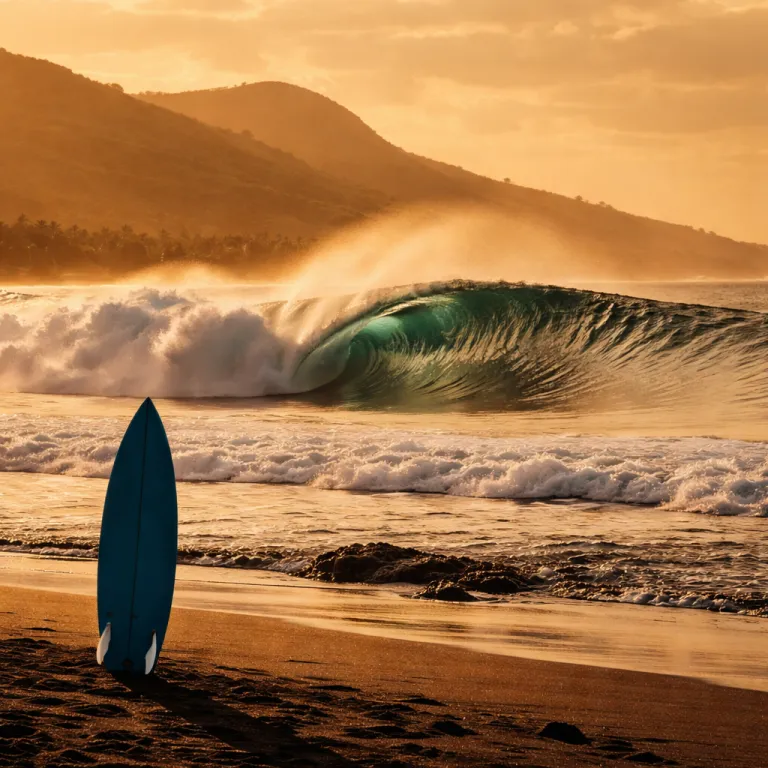
Tamarin Bay is the emotional heart of surfing in Mauritius, a west coast curve of dark sand where waves peel along the river mouth and the mountains fold back into the clouds. When a solid southwest swell meets light morning winds, this bay surf line can run for what feels like forever, drawing longboarders, shortboarders and a few old timers in white shorts who have been here since the forgotten island days of the sport. For many surfers, any serious Mauritius surf spots guide starts here, because Tamarin combines a good wave, a lived-in village and easy access to other breaks Mauritius offers nearby.
The main Tamarin surf spot is a point-style setup that breaks over a mixed bottom, softer than the sharp outer reef but still demanding respect. On smaller days, it is a good option for improving surfers who want to feel a proper wall without the intensity of One Eye or the more exposed island surf reefs on the south coast. The wave is generally best from mid to high tide, when the take-off zone is more forgiving and the inside section offers room for turns. When the swell jumps into the head-high to overhead range, the bay becomes a playground for experienced surfers who can handle fast sections, shifting peaks and the occasional clean-up set that reminds you this is still the open Indian Ocean.
Staying near Tamarin makes sense if you want to balance surf, food and local rhythm during your trip. You can base yourself in a luxury villa or premium hotel a short rental car ride from the beach, then walk into the village for Creole plates and cold Phoenix beers after your session. Access to the bay is straightforward via the main coastal road, with informal parking near the river mouth and along the beachfront. For readers interested in how this growing surf and adventure scene fits into the broader tourism picture, the analysis of record arrivals and rising rates on Mauritius gives useful context on why the west coast is evolving so quickly as a high-end playground.
Le Morne peninsula: One Eye, Darne and UNESCO level drama
Drive from Tamarin towards the south coast and the profile of Le Morne Brabant begins to dominate the horizon, a basalt monolith that signals you are entering the high church of surf in Mauritius. The peninsula is a UNESCO World Heritage site, and from its flanks you can see the outer reef lines where One Eye detonates, along with the more sheltered passes that make this area the strategic centre of any serious Mauritius surf guide. Out here, the lagoon glows turquoise while the waves on the horizon remind you that this island is ringed by serious power.
One Eye is the expert reef break that has given surfing in Mauritius a reputation among chargers who chase shallow, fast barrels; it is not a place for casual experimentation. The wave breaks over a sharp, live reef, and only confident surfers with strong fitness and a clear read of the channel should attempt this surf spot, ideally with a local guide and a boat for safety. In winter, sets can easily reach double overhead on solid swells, and the take-off zone is tight, so most visiting surfers watch a few tides before paddling out. Nearby, the reef known locally as La Dalle or La Darne offers a more low-key feel, still a reef break but with slightly more forgiving sections, and both surf zones are serviced by operators such as Surf Mauritius and Ion Club, which provide lessons, guiding and logistics for visiting surfers when conditions allow.
Le Morne is also where luxury and island surf culture meet most visibly, with several high-end resorts lining the lagoon and offering direct access to kitesurfing, windsurfing and boat shuttles to the outer reef. If you are choosing the best time to travel to Mauritius for a luxury island escape that includes surfing, this peninsula is your reference point for aligning swell, wind and five-star service. Many guests split their stay between a Tamarin base and a Le Morne resort, using a rental car to move between the west coast and south coast depending on where the best surf is breaking during those crucial winter months. Typical drive time between Tamarin and Le Morne is around 25 minutes, which makes it easy to check both zones in a single day.
Conditions, safety and logistics for a refined surf trip
Planning a surf trip to Mauritius means thinking in months rather than days, because seasonal patterns shape everything from wave size to water temperature. From May to September, the Indian Ocean sends regular groundswells that light up the west coast and south coast, with typical winter surf in the waist- to double-overhead range on exposed reefs, while water temperatures hover between about 22°C and 24°C, cool enough for a thin spring suit but still comfortable for long sessions. In the warmer months from November to April, sea temperatures often sit around 26°C to 28°C, but cyclone activity and lighter winds can make conditions more variable. Outside those peak months, you can still surf, but any detailed Mauritius surf spots guide will tell you that consistency drops and the focus shifts more towards kitesurfing and wind sports.
Safety deserves the same attention as swell charts, especially around the outer reef passes where surfing in Mauritius can feel remote once you are outside the lagoon. You should wear reef booties for protection, check local surf reports before heading out and be aware of strong currents and sharp reefs, because even the best surf day can turn quickly if you misjudge a channel or a set. Talk to local surfers about any concerns regarding marine life; while bull sharks are present in the wider region, incidents around the main surf zones Mauritius offers are rare, and most risks come from the reef itself, shifting tides and your own decision making. Many visiting surfers also carry a small first-aid kit with disinfectant and bandages for coral cuts, as medical centres can be a short drive from more remote reef passes.
Logistics are straightforward if you plan ahead and respect local knowledge. Surf Mauritius and other schools can arrange board rental, guiding and boat access to outer reef surf spots, while many luxury hotels will coordinate transfers, packed breakfasts and late check-outs around your surf schedule. Expect typical boat shuttles from the beach to the outer reef to take 10 to 20 minutes depending on the spot and conditions. For independent travelers, a reliable rental car or a well-organised accommodation car service is essential, because the best surf on the island often means chasing changing winds and tides between different spot clusters along the coast.
Where to stay, eat and unwind between sessions
For a solo explorer who wants both serious waves and a polished stay, the southwest of Mauritius offers a rare balance. Around Tamarin Bay, you will find low-rise properties and villas that keep you close to the surf spot while still offering the comforts you expect from a premium island stay. A short drive away, Le Morne’s resorts bring the full spectrum of spa, fine dining and lagoon access, turning a focused surf trip into a broader Indian Ocean escape.
After a long session at Tamarin or an outer reef surf spot, the village becomes your living room, with small restaurants serving grilled fish, rougaille and fresh fruit juices that taste better when you are still in your damp white shorts. It is easy to build a routine: dawn patrol at the bay surf peak, a mid-morning swim with dolphins on a carefully chosen boat trip, then a slow lunch before checking the tide for an afternoon session. If you want a contrasting experience on another part of the island, consider a premium beachfront stay on the east coast, where properties such as those reviewed in this Long Beach resort feature show how a different coastline can still fit into a surf-focused itinerary.
Many travelers now design itineraries that move between multiple coasts and even multiple islands, pairing the raw energy of surfing in Mauritius with quieter days on what some call a forgotten island nearby or at retreats inspired by Island Santosha style wellness stays. While this Mauritius surf guide focuses on the main surf hubs, the real luxury lies in choosing how you stitch these experiences together, using the island’s compact size and good roads to your advantage. With the right planning, you will leave feeling that you have sampled the best surf, the most characterful villages and the kind of hospitality that makes this island surf destination feel both intimate and endlessly revisitable.
FAQ
What is the best time of year to surf in Mauritius ?
The most reliable surf season in Mauritius runs from June to September, when winter swells from the southern Indian Ocean reach the west coast and south coast with consistency. During these months, Tamarin Bay, Le Morne and nearby reef passes see regular waves suitable for intermediate and advanced surfers. Outside this window, you can still find surf, but conditions are less predictable and often better for kitesurfing than for pure wave riding.
Are there surf spots suitable for beginners in Mauritius ?
Yes, there are several surf spots in Mauritius that work for beginners, especially on smaller swell days and higher tides. Ti Reef, inside the lagoon, is often recommended as a gentle training ground, and some sections of Tamarin Bay can be manageable for first timers under the guidance of a qualified instructor. Local surf schools such as Surf Mauritius tailor lessons to conditions, choosing the safest spot on the day for new surfers.
Is it safe to surf the reef breaks in Mauritius ?
Surfing the reef breaks in Mauritius is generally safe if you respect local advice, understand the channels and wear appropriate protection such as reef booties. The main hazards are sharp coral, strong currents and shallow sections, especially at low tide on outer reef passes like One Eye. Booking a session with a local guide or school for your first visits to each surf spot is the best way to manage risk.
Do I need a car to explore different surf spots in Mauritius ?
Having a rental car or arranging a flexible accommodation car service is highly recommended if you want to explore multiple surf spots during your stay. The best surf often shifts between the west coast and south coast depending on wind and swell, and public transport is not optimised for dawn patrols or quick spot checks. A vehicle also makes it easier to combine surf sessions with restaurant visits, cultural stops and hotel changes across the island.
Can I combine a luxury hotel stay with a focused surf trip ?
Combining a luxury hotel stay with a serious surf trip in Mauritius is not only possible, it is one of the island’s main strengths for discerning travelers. Resorts around Le Morne and along the southwest coast are used to hosting surfers and can arrange early breakfasts, board storage, spa treatments timed after sessions and even private boat transfers to certain reef passes. Many guests split their itinerary between a surf-centric base near Tamarin Bay and a more resort-driven stay on another coast, creating a balanced experience of waves and high-end hospitality.