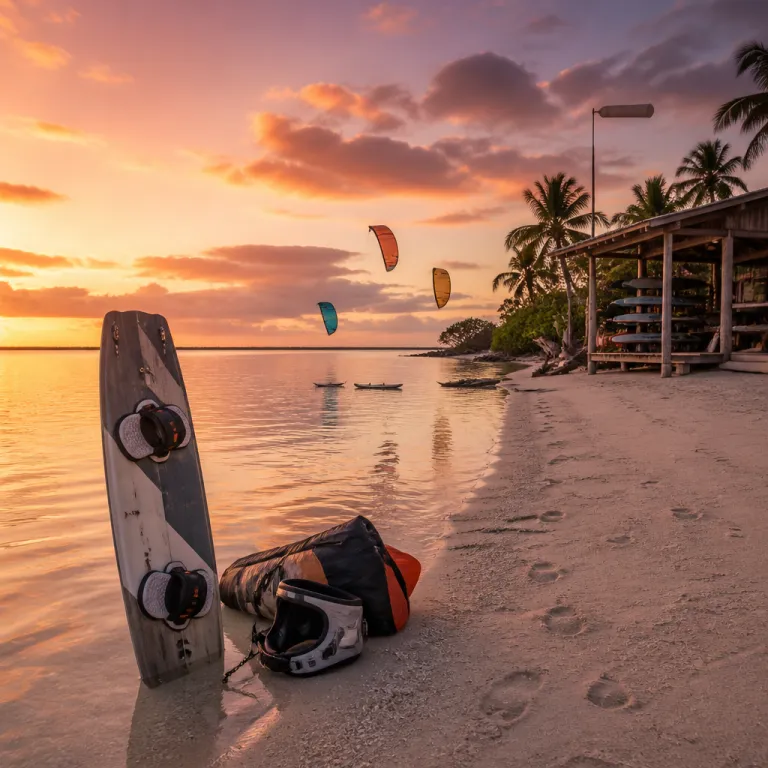
Why Mauritius is the ultimate flat-water classroom for first-time riders
Mauritius is one of the rare islands where a luxury lagoon stay and a serious kitesurfing apprenticeship can happen in the same waist deep turquoise water. The south east trade wind funnels around the peninsula and turns the Le Morne lagoon into a natural kitesurf Mauritius beginner school, while five star resorts line the shore with concierges who understand board bags as well as butler service. For a solo explorer, this combination of calm flat water, reliable wind and polished hospitality makes kitesurfing Mauritius feel less like an extreme sport and more like an elegant, structured learning journey.
The main kitesurfing Mauritius draw is the contrast between the outer reef waves and the inner lagoon, where the water will stay glassy even when the wind climbs to 20 knots. Inside the reef you ride waves only when you choose to, because the lagoon offers long stretches of flat water that behave like a private pool for beginners who want to learn improve their control. This is why many certified instructors describe Le Morne Mauritius as the global benchmark Mauritius spot for first transitions from trainer kite to board starts.
Luxury hotels from Bel Ombre to the Le Morne peninsula have adapted to this reality and now design full kitesurf packages that sit alongside spa rituals and dégustation dinners. You can book a room with direct access to the public beach launch, arrange daily kite course transfers and still be back in time for a tasting menu or a rum pairing in the bar. For a traveler comparing destinations, this means you can learn kitesurf in a structured kite school environment during the day, then return to a calm, high thread count place where the only wind you feel is the breeze on your terrace.
Le Morne lagoon: how the wind calendar shapes your learning curve
On the Le Morne peninsula, the wind calendar is not a vague idea but the backbone of every serious kitesurf Mauritius beginner school. From May to October, south east trade wind blows on roughly 80 % of days, which means instructors will plan your kite course progression almost like a syllabus rather than a gamble on the forecast. The lagoon’s orientation creates a side onshore wind that pushes you gently back toward the public beach, a reassuring detail when you are still figuring out how to steer the kite and edge the board.
Mornings usually bring softer wind and silkier water, which is when beginners learn the basics of kitesurfing in waist deep sections protected by the reef. In this window, certified instructors from Le Morne Kite School or Airswitch Kitesurfing can run focused lessons on body dragging, water starts and first runs without the distraction of heavy chop or strong gusts. As the day progresses and the wind strengthens, the same Mauritius spot turns into a playground where you can ride waves on the outer reef or stay inside the lagoon to improve skills on flat water.
For solo travelers who want more than just lagoon time, the wind calendar also helps you plan inland adventures and hotel experiences around your sessions. On lighter wind days, you might schedule canyon rappelling or reef diving with operators featured in this guide to kite surfing and other adventure sports beyond the lagoon, then return to the club Morne area for a sunset session when the breeze fills in again. The key is to book your accommodation close enough to the Morne Mauritius lagoon so that a change in wind does not mean a long transfer, but simply a short walk from your room to your preferred kite school.
Choosing the right kitesurf Mauritius beginner school near your hotel
Once you have decided on the peninsula or Bel Ombre as your base, the next step is choosing a kitesurf Mauritius beginner school that matches both your learning style and your hotel location. Around Le Morne, you will find a cluster of operations such as Le Morne Kite School, Mauritius Kitesurfing School and KiteLagoon Vibes Mauritius, all working with modern equipment and certified instructors who speak several languages. Up on the north coast, ION CLUB Anse La Raie runs a well organized kite school that pairs naturally with premium resorts in Grand Baie for travelers who prefer that part of the island.
Look for schools that clearly state they work with IKO certified or VDWS certified instructors, because this guarantees a structured progression from trainer kite to independent riding. A solid kitesurf Mauritius beginner school will usually propose six to twelve hours of lessons spread over three or four days, starting with kite control on the beach, then body dragging in shallow water and finally board starts in the lagoon. Many of these kite course packages can be booked directly through your hotel concierge, who will coordinate transfers, storage for your equipment and even late check out if the wind forecast looks promising.
For those staying in more secluded luxury properties, such as the resorts around Bel Ombre or the mangrove lined retreats on the east coast, logistics matter as much as teaching quality. In these cases, a guide like this curated overview of water activities for every level helps you understand which Mauritius spot pairs best with your chosen hotel. The most reliable operators will arrange pick up from your lobby, provide all necessary kite surf equipment and ensure that instructors will adapt the schedule if the wind or water conditions change unexpectedly.
From trainer kite to first rides: what your lessons will actually look like
Many travelers arrive in Mauritius with a vague idea of kitesurfing but little sense of what the first days on the water will involve. A well run kitesurf Mauritius beginner school turns that uncertainty into a clear sequence of lessons, each one building on the last in the same flat water lagoon where you will eventually ride waves on the outer reef. The aim is simple ; beginners learn to control the kite safely, stand on the board and ride in both directions within three to five days of focused teaching.
Your first session usually happens on the public beach, where instructors will introduce you to the kite, bar, harness and safety systems before you even touch the water. After that, you move into waist deep sections of the lagoon, where the water will support you as you practice body dragging downwind and upwind, learning how the wind window feels through the lines. Only once you can relaunch the kite confidently do certified instructors shift the focus to board starts, which is when the flat water of Le Morne or Bel Ombre becomes your best ally.
As your confidence grows, instructors will encourage you to learn improve your stance, edge control and speed, sometimes using video feedback back at the club to refine your technique. This is also the stage where you might experiment with slightly smaller kite sizes when the wind picks up, or explore a different Mauritius spot such as Anse La Raie for variety. Throughout this progression, a good kite school keeps the ratio low, so that instructors will notice small mistakes early and help you correct them before they become habits.
Gear, storage and luxury logistics: how to align equipment with your stay
One of the most common questions from guests booking premium hotels in Mauritius is whether to bring their own kite surf equipment or rely on rental gear from a kite school. Airlines often charge between fifty and eighty euros each way for a board bag, so the decision has a clear cost dimension as well as a comfort one. If you are a complete beginner planning to learn kitesurf for the first time, renting through a reputable club with modern kites, boards and harnesses is usually the most elegant solution.
Schools such as ION CLUB Anse La Raie, Le Morne Kite School and Airswitch Kitesurfing maintain a fresh quiver of kites in different sizes, which means instructors will always be able to match your weight and the day’s wind. This flexibility matters in Mauritius, where the wind can shift from fifteen to twenty five knots between morning and afternoon, and where flat water inside the lagoon can hide stronger gusts near the reef. For intermediate riders who want to improve skills or ride waves on the outer reef, bringing a favorite board might make sense, while still renting kites locally to adapt to the daily forecast.
Luxury hotels have become adept at handling this gear ballet, offering secure storage rooms, rinsing areas and even in room space planning for those traveling with their own equipment. Some properties near club Morne will coordinate directly with the ion club or other partners so that your kite is rigged and waiting by the time you reach the beach. If you prefer to keep your evenings focused on gastronomy rather than gear, consider staying at a property like Constance Prince Maurice, where a dinner at Le Barachois on its floating pontoon through the mangroves can follow a full day of kitesurfing without any logistical friction.
Where to stay: matching lagoons, villages and hotel styles to your riding
Choosing where to sleep in Mauritius is as strategic as choosing your kite size, especially if kitesurfing is central to your trip. Around Le Morne, you have a rare alignment of a world class flat water spot, a dramatic basalt mountain backdrop and a string of luxury resorts that understand the rhythm of the wind. Stay here if you want to walk from your room to the lagoon, launch near the public beach and be on the water within minutes of the first whitecaps appearing.
Further east along the coast, the village of La Gaulette offers a more low key base with guesthouses and smaller hotels that appeal to independent riders who value flexibility. From here, you can reach the Morne Mauritius lagoon in a short drive, then retreat to a quieter place in the evening, perhaps sharing stories with other travelers who came to kitesurfing Mauritius for the same wind and water. Bel Ombre, by contrast, feels more self contained, with integrated resorts that offer golf, spa and kitesurf lessons in one coherent estate, ideal if you are traveling with non riding companions.
Wherever you stay, pay attention to how the hotel talks about kitesurfing and whether they partner with a specific kite school or several. A property that understands the needs of a kitesurfer will mention storage, early breakfasts on windy days and flexible transfer times to the spot, not just generic water sports. For a solo explorer, this level of detail is often the difference between a trip where you simply learn the basics and one where you truly ride waves, refine your style and leave Mauritius already planning the next season’s wind calendar.
Key figures for kitesurfing conditions and learning in Mauritius
- Wind consistency between May and October reaches around 80 % of days with usable south east trade wind, according to data compiled by Mauritius Life, which explains why most schools recommend this period for structured kite course packages.
- Typical water temperature in the lagoons hovers around 23 °C during the main kitesurfing season, warm enough for long sessions in a shorty wetsuit or even just a lycra for many riders, which reduces fatigue during multi hour lessons.
- Most beginners need between three and five days of instruction to achieve their first independent rides, a timeframe echoed by local schools and by the general guideline that six to twelve hours of focused teaching are enough to move from trainer kite to board starts.
- Trade winds in the Le Morne area usually range from 15 to 25 knots during the peak season, strong enough to power medium sized kites while still remaining manageable for those learning to control power and depower for the first time.
- Several schools on the island now operate with fully certified instructors and modern equipment, reflecting the growing popularity of kitesurfing in Mauritius and the island’s positioning as a safe, high quality learning destination.
FAQ: learning to kitesurf in Mauritius
What is the best time to kitesurf in Mauritius ?
What is the best time to kitesurf in Mauritius? May to October offers consistent SE trade winds. This period aligns with the main kitesurfing season at Le Morne and other lagoons, giving beginners the highest chance of steady wind and flat water for structured lessons.
Are there kitesurfing schools for beginners in Mauritius ?
Are there kitesurfing schools for beginners in Mauritius? Yes, several schools offer beginner lessons with certified instructors. Names such as Le Morne Kite School, Mauritius Kitesurfing School, Airswitch Kitesurfing, ION CLUB Anse La Raie and KiteLagoon Vibes Mauritius all run programs tailored to first time riders.
What equipment is needed for kitesurfing ?
What equipment is needed for kitesurfing? Kite, board, harness, and safety gear. In Mauritius, most schools provide all of this equipment, including impact vests and helmets, so beginners can focus on learning rather than transporting their own gear.
Is kitesurfing in Mauritius safe for beginners ?
Is kitesurfing in Mauritius safe for beginners? Yes, with proper instruction and safety measures. Flat water lagoons, waist deep sections and side onshore wind at spots like Le Morne create forgiving conditions, while certified instructors manage risk and teach rescue techniques.
How long does it take to learn kitesurfing ?
How long does it take to learn kitesurfing? Typically 3–5 days of instruction. In Mauritius, many schools structure this into six to twelve hours of lessons, enough for most motivated beginners to stand, ride and return to the same point on the beach.
References
- Mauritius Life – Kitesurfing guide to Mauritius and Le Morne conditions.
- International Kiteboarding Organization (IKO) – Global safety and teaching standards for kitesurfing.
- Mauritius Meteorological Services – Historical wind and weather data for coastal regions.