Why mauritius coral reef restoration diving belongs on your luxury trip
On Mauritius, the lagoon is no longer just a pretty backdrop. For a growing number of high end properties, hands on coral restoration experiences have become as central as the infinity pool, reshaping what luxury means on this island. Guests now move from champagne breakfasts to guided reef conservation sessions, trading a sun lounger for a mask, fins and a living coral fragment.
The context is stark yet motivating for any thoughtful traveler. Coral reefs around Mauritius and the wider Indian Ocean are under pressure from warming climate trends, coastal tourism development and repeated bleaching events that leave once vibrant coral cover pale and degraded. Peer reviewed studies, including the 2018 IPCC Special Report on Global Warming of 1.5 °C and the 2020 Global Coral Reef Monitoring Network status report, suggest that projected coral species loss within the next decade could reach around 70 %, a figure that turns every reef into a frontline rather than a postcard.
Hotels have started to respond with active restoration instead of passive pledges. According to national tourism and certification bodies, over 40 properties in Mauritius now hold recognised sustainability labels, and several have moved beyond land based recycling or energy projects into direct marine conservation on their house reefs. For guests, that means you can book a premium suite and also join a reef rehabilitation project that plants nursery reared coral fragments back onto degraded sites just a few fin kicks from your room, often documented through simple monitoring graphs or annual impact summaries shared on site.
Where to stay: hotels leading guest facing coral restoration
Three names currently anchor serious mauritius coral reef restoration diving for luxury travelers. Anantara Iko Mauritius Resort & Villas on the wild south east coast runs guided coral restoration dives and snorkel sessions with an in house marine biologist, using nearby coral nurseries as an open air classroom. Beachcomber Resorts & Hotels, spread across prime coastal sites from Trou aux Biches to Le Morne, has rolled out a group wide reef restoration programme that invites guests into both monitoring and planting activities at properties such as Trou aux Biches Beachcomber Golf Resort & Spa and Canonnier Beachcomber Golf Resort & Spa.
On the north west coast, RIU Hotels & Resorts collaborates with local NGOs on marine conservation and education, integrating coral restoration dives into selected stays and publishing basic project updates through in resort displays. These properties treat the coral reef as shared natural capital for surrounding coastal communities, not just a marketing image for tourism brochures. When you compare options for peak season in Mauritius, it is worth weighing which hotel offers credible coral restoration experiences alongside the usual spa and gastronomy, including how long each project has been running and how frequently sites are monitored.
Each of these hotels works with specialist partners such as Reef Conservation Mauritius, Eco-Sud or European funded initiatives to ensure that coral fragments are handled correctly and that restoration degraded reef sites are chosen using scientific criteria. Programmes typically include pre dive briefings on climate change, coral bleaching and the difference between natural recovery and active restoration. As one marine biologist involved in a south coast project explains, “we see survival rates of 70–80 % in our nurseries when conditions are stable, which gives us a real chance to rebuild key sections of reef over time”; this figure is based on several years of local monitoring data rather than a single season. That level of structure matters if you want your stay in Mauritius to support more than a one off feel good project.
What a conservation dive actually involves for hotel guests
A typical mauritius coral reef restoration diving session starts on land, not underwater. You meet the resident marine biologist or NGO équipe for a short briefing on coral biology, reef ecology and the specific restoration project you will join that day. Expect clear explanations of how coral reefs support food security for coastal communities, how climate change drives bleaching events and why some degraded reefs are chosen for active restoration while others are left to recover naturally, often illustrated with simple maps or photos of local sites.
From there, the group moves to the beach or jetty for a shallow water skills check. Most hotel programmes are designed for confident snorkellers or Open Water level divers, with sessions lasting 60 to 90 minutes in the water and a similar duration on shore. You might start by visiting a coral nursery, where coral fragments are suspended on frames or ropes, then help clean algae from the structures so that live coral can grow without being smothered, while staff record basic observations on growth and fish life.
On more advanced dives, guests assist with attaching nursery reared corals to a restoration degraded site on the nearby reef. Under close supervision, you may use small clips or marine epoxy to secure fragments, while staff handle any technical steps that could damage the coral reef if done incorrectly. For travelers booking private villas or exclusive access stays, some hotels can arrange tailored conservation outings, pairing a morning of coral restoration with an afternoon of lagoon exploration away from the crowds and a debrief that reviews recent monitoring results.
The science behind coral nurseries and how to spot real impact
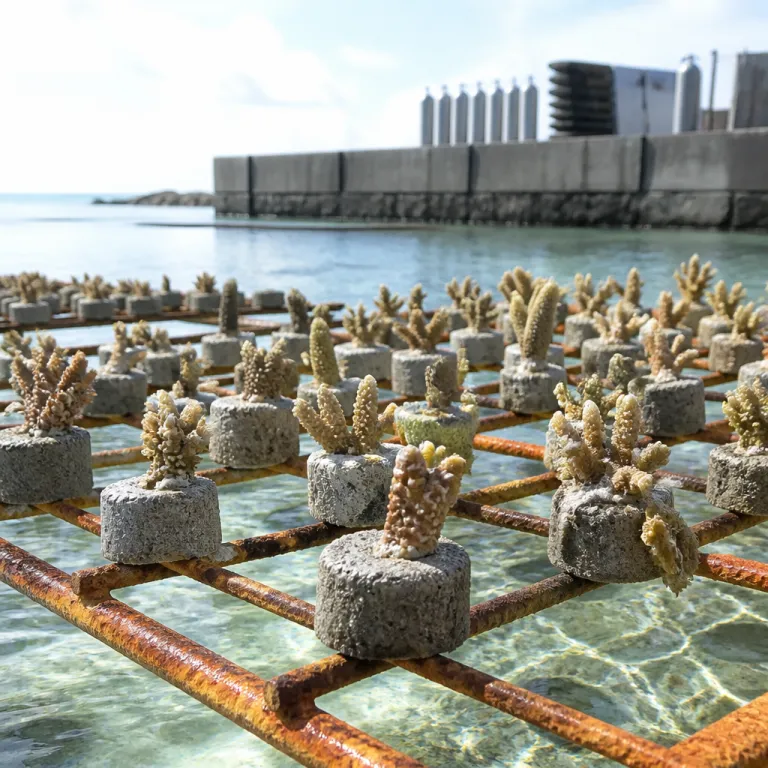
Coral nurseries are the quiet engine behind mauritius coral reef restoration diving. In sheltered marine areas, teams install metal or PVC frames, ropes or tree like structures where small coral fragments are attached and left to grow in optimal light and current conditions. These land based and in water systems act as a nursery for live coral, increasing survival rates before fragments are transplanted back to degraded reefs that have been mapped and prioritised using ecological surveys.
Serious programmes track data such as coral cover, growth rates and survival percentages over several years. They also conduct regular monitoring dives to assess whether restored coral reefs are attracting fish, invertebrates and other marine life, which signals that the wider ecosystem is recovering. When you join a hotel led reef restoration project, ask to see simple graphs or maps that show how specific sites have changed, rather than settling for a few before and after photos that lack dates or clear baselines.
Impact goes beyond biology into social resilience. Effective coral restoration in Mauritius and the wider Mauritius Seychelles region supports coastal communities by protecting shorelines from erosion and stabilising tourism dependent livelihoods. When hotels align their projects with frameworks promoted by the United Nations, the Adaptation Fund or national marine spatial planning strategies, they usually commit to longer term monitoring and transparent reporting, which is a strong indicator that your guest participation is part of a serious marine conservation strategy rather than a short term marketing exercise.
Beyond planting corals: ethics, seasons and how to choose your hotel
Joining mauritius coral reef restoration diving is only one part of traveling responsibly on this island. The same hotels that invite you to plant coral fragments may also sell dolphin or whale watching excursions, and this is where your choices matter. Look for operators who follow strict distance rules, avoid chasing pods and respect seasonal protocols, especially during calving periods when marine mammals are more vulnerable and noise or crowding can cause lasting stress.
Blue Bay Marine Park in the south east remains one of the most important protected coral reef areas in Mauritius. Some luxury properties organise guided snorkel trips here that combine reef monitoring activities with low impact tourism, limiting group sizes and using mooring buoys instead of anchors on fragile coral reefs. When evaluating offers, ask whether your visit contributes to park management or local conservation funds, not just to a private excursion budget, and whether guides share up to date information on current reef health.
Back at your hotel, everyday decisions reinforce or undermine the impact of any reef restoration project you join. Choose reef safe sunscreen, minimise water use in your suite and support menus that highlight locally sourced seafood aligned with food security goals for nearby villages. In a market where greenwashing is easy, the most trustworthy properties are those that integrate marine conservation into architecture, energy, staff training and guest experiences, treating the lagoon as a living neighbour rather than a view and backing this up with clear, dated evidence of results.
FAQ
Which hotels in Mauritius offer coral restoration dives for guests ?
Current leaders in mauritius coral reef restoration diving include Anantara Iko Mauritius Resort & Villas, several Beachcomber Resorts & Hotels properties and selected RIU Hotels & Resorts on the north west coast. These hotels run structured coral restoration or reef monitoring sessions in partnership with marine biologists and NGOs, often highlighting partners such as Reef Conservation Mauritius or Eco-Sud in guest information. Always confirm the latest programme details when booking, as schedules and sites can change with weather and reef conditions.
Do I need to be an experienced diver to join a coral restoration project ?
Most hotel programmes are designed for confident swimmers and snorkellers, not only certified divers. Shallow coral nurseries near the shore allow beginners to help with simple tasks such as cleaning nursery structures or assisting with basic monitoring. For deeper restoration sites on outer reefs, you will usually need an entry level dive certification and recent experience in similar marine conditions, which staff will check during your initial briefing.
How can I tell if a hotel’s coral restoration work is genuine and not greenwashing ?
Serious projects share clear information about their objectives, methods and monitoring results, including data on coral cover, survival rates and the condition of restored reefs. Ask which NGO or scientific institution the hotel partners with, how long the project has been running and whether it aligns with broader frameworks promoted by organisations such as the United Nations or the Adaptation Fund. If staff cannot explain the science behind their coral nurseries, cannot show dated graphs or maps, or only offer photo friendly planting moments, the impact is likely limited.
When is the best time of year to plan mauritius coral reef restoration diving ?
Coral restoration dives in Mauritius run year round, but conditions vary with wind, swell and rainfall. Many travelers prefer the calmer, cooler months when underwater visibility is higher and surface conditions are more comfortable for longer monitoring sessions. Hotels will adjust specific restoration activities around major bleaching events or storms to protect both guests and fragile corals, so flexibility in your schedule is helpful and allows you to join the most meaningful work available during your stay.
Can coral restoration in Mauritius really make a difference against climate change ?
Local reef restoration cannot stop global climate change, but it can strengthen the resilience of key coral reefs that protect shorelines and support coastal communities. By increasing live coral cover on carefully chosen degraded reefs, these projects help maintain habitat for fish and other marine life that underpin tourism and food security. The greatest impact comes when coral restoration is combined with emissions reductions, sustainable coastal development and wider marine conservation policies at national and regional levels, echoing recommendations from recent IPCC and Global Coral Reef Monitoring Network reports.