From offsetting to regeneration at Mauritius farm to table hotels
On a small island like Mauritius, the distance between a farm and a plate matters. Many luxury hotel and resort teams now treat every garden, every organic patch of soil and every hectare estate as a living pantry rather than a decorative backdrop. That shift is turning classic beach escapes into mauritius farm to table hotels where your stay quietly supports the land that feeds you.
Regenerative hospitality goes beyond recycling bins and a polite note about reusing towels ; it means the hotel invests in an organic farm, a kitchen garden or even small olive groves so that food travels metres instead of oceans. When a resort spa shares space with an organic garden and a working farm, the same soil can grow herbs for infusions, vegetables for dinner and fruit vegetables for breakfast juices. Guests feel this in the most tangible way at the table, where a chef can point to the exact garden bed that supplied the ingredients for your salad.
This approach matters because Mauritius imports a high share of its food, and every container ship leaves a footprint on the lagoon and the reef. When mauritius farm to table hotels grow their own vegetables and fruit vegetables on site, they cut that footprint while giving guests a more vivid sense of place. For couples planning a trip, asking how much of the menu comes from the hotel’s organic garden or nearby farm is now as important as checking the spa menu or the size of the resort’s pool.
Beehives, honey and the new language of luxury
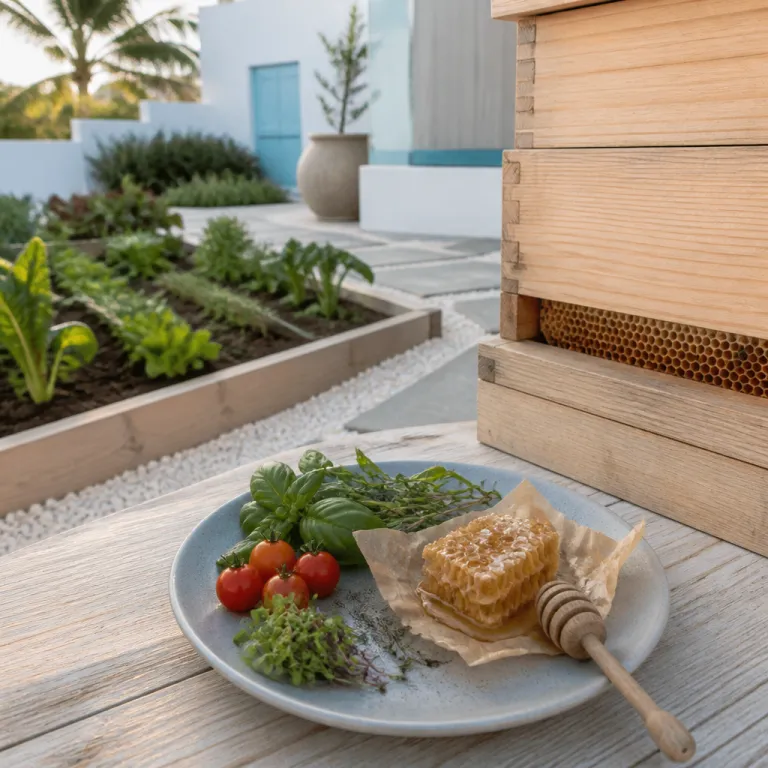
The clearest symbol of this new era is often not a vegetable garden but a beehive. At Shangri-La Le Touessrok in Mauritius, the hotel now cares for over 700,000 bees in hives placed across its gardens and wild spaces, with the hotel’s own honey served at breakfast and guest activities on how bees keep natural balance. That single detail tells you more about the resort’s relationship with its land than any glossy brochure ever could.
When you sit at the breakfast table in mauritius farm to table hotels, look for honey labelled with the hotel’s name rather than an imported brand ; it signals that the garden and surrounding estate are being managed as a living ecosystem. Some resorts invite guests into the open air to walk between hives, learn how pollinators support every organic farm on the island and taste honey alongside herbs and fruit vegetables from the kitchen garden. These experiences turn a simple stay into a quietly educational trip, especially for couples who care where their food and spa products originate.
Reading a property’s sustainability story now requires the same sceptical eye you would bring to any luxury travel decision. Before you book a hotel or lodge, ask how many dishes on the menu genuinely use farm to table ingredients and how often the chef changes recipes to match what the garden can supply. For a deeper cultural lens on service and authenticity in Mauritius hotels, the guide on what a Mauritius hotel review never tells you is an essential companion to these more visible green initiatives.
Kitchen gardens, farm to fork menus and plant forward plates
Walk behind the scenes at the best mauritius farm to table hotels and you will usually find a kitchen garden tucked between palm trees and the sea. Chefs treat these plots as outdoor larders, harvesting herbs, vegetables and fruit vegetables minutes before service rather than relying on chilled imports. The result is food that tastes of the island’s volcanic soil, not of a shipping container.
Plant forward dining is the natural partner to this regenerative mindset ; when a chef can build a menu around an organic garden, the plate becomes lighter, greener and more expressive of place. Expect to see farm to fork menus where the farm table story is written right beside each dish, listing the hotel’s own organic farm, a neighbour’s hectare estate or a trusted smallholder in the highlands. Couples who enjoy long dinners will notice how a simple tomato salad or grilled vegetables can outshine a more elaborate michelin style plate when the ingredients are cut from the garden that morning.
Some Mauritius resort spa teams now collaborate closely with the kitchen, using the same herbs and fruit vegetables in both cuisine and wellness rituals. At a thoughtful hotel spa, basil and lemongrass might move from the vegetable garden to the massage room as oils and infusions, blurring the line between nourishment and treatment. If you are considering a romantic stay at an iconic luxury resort, the detailed guide to Shangri-La Le Touessrok shows how a large property can still feel rooted in its gardens and surrounding lagoon.
How to read a menu and spot real farm to table intent
Menus at mauritius farm to table hotels now read almost like maps of the island. You might see a dish that lists the hotel’s own organic garden, a nearby farm and a coastal fishing village in the same line, turning your plate into a quiet geography lesson. The key is to look beyond poetic language and ask how much of that story holds up when you talk to the team.
When a chef speaks confidently about the kitchen garden, the compost system and the specific farm that supplies vegetables, you are likely seeing genuine commitment rather than greenwashing ; vague references to “local ingredients” without names or places should raise questions. Ask whether the resort spa café uses the same herbs and fruit vegetables that grow beside the treatment rooms, and whether the hotel spa stocks oils pressed from coconuts or other ingredients grown on the estate. A property that can answer these questions clearly is usually one of the best options for a regenerative stay.
Luxury travellers sometimes compare Mauritius with European retreats such as São Lourenço do Barrocal, Finca Serena or Blackberry Farm, where the farm to fork ethos has long shaped the guest experience. Those hectare estate models, with their olive groves, organic farm plots and golf resort fairways edged by wildflower meadows, offer a useful benchmark when you evaluate table hotels in the Indian Ocean. While Mauritius does not yet have a michelin star or michelin starred restaurant culture, the most ambitious hotel kitchens quietly apply michelin level discipline to sourcing, treating every farm table plate as a statement of intent.
Planning a regenerative stay in Mauritius: what to ask before you book
Choosing between mauritius farm to table hotels starts long before you arrive at the check in desk. When you contact a hotel or resort, ask specific questions about the garden, the organic farm and any on site hectare estate they manage. The clarity and enthusiasm of the answers will tell you more than any sustainability badge on a website.
Begin with food, because it is the most direct link between your stay and the land ; ask what percentage of vegetables, fruit vegetables and herbs comes from the hotel’s own kitchen garden or from farms within Mauritius. Then move to wellness and space, checking whether the resort spa or hotel spa uses ingredients grown on the estate, and whether any open air experiences take you into the garden rather than just onto the beach. Couples who enjoy a more urban break can still tap into this ethos by choosing a refined city hotel that partners with nearby farms, such as the property profiled in this guide to a refined city escape in Mauritius.
International names like São Lourenço do Barrocal, sometimes shortened to Lourenço Barrocal, or Spanish retreats such as Finca Serena, have shown how a lodge or golf resort can weave olive groves, organic garden plots and farm to fork dining into one coherent estate. Mauritius is adapting those ideas to its own scale and climate, creating table hotels where the farm table story feels distinctly Creole rather than imported. For your next trip, think of each property as a living farm fork ecosystem and choose the one whose gardens, bees and plates feel most in tune with the island you came to experience.
FAQ
How can I tell if a Mauritius hotel is genuinely farm to table ?
A genuinely farm to table hotel in Mauritius can name the specific garden, farm or estate that supplies its ingredients. The chef and front of house team should be able to explain which vegetables, fruit vegetables and herbs come from the on site organic garden or nearby farms. If answers stay vague or focus only on décor, you are probably seeing marketing rather than a true regenerative programme.
Do Mauritius farm to table hotels cost more than other luxury resorts ?
Rates at mauritius farm to table hotels often sit in the same bracket as other premium resorts, because location, room category and spa facilities still drive pricing. Growing food on site can reduce some costs, but it also requires skilled gardeners, compost systems and careful planning. You are paying for a richer experience, not just a label on the menu.
Are there plant forward or vegetarian friendly options at these resorts ?
Most regenerative resorts in Mauritius now offer strong plant forward menus that highlight vegetables, fruit vegetables and herbs from their gardens. Even if a property does not market itself as vegetarian, the chef will usually be happy to build a menu around what the kitchen garden is producing. Let the hotel know your preferences before your stay so they can plan around the harvest.
What questions should couples ask before booking a regenerative stay ?
Couples should ask how much of the menu comes from the hotel’s own garden or from farms within Mauritius, and whether the resort spa or hotel spa uses ingredients grown on the estate. It is also worth asking about open air activities that connect you to the land, such as garden tours, beekeeping sessions or cooking classes using farm to fork produce. The more specific and enthusiastic the answers, the more likely you are choosing one of the best mauritius farm to table hotels.
Can I visit the gardens or farms during my stay ?
Many mauritius farm to table hotels now offer guided walks through their kitchen gardens, organic farm plots or wider estate. Some properties schedule daily or weekly tours where gardeners explain composting, seed saving and how they choose fruit vegetables for the menu. If this matters to you, confirm availability when you book, as access policies vary between resorts.