Planning your Diwali Mauritius festival experience on the island
Diwali in Mauritius is a sensory immersion rather than a single night. The island moves gently into celebration over several days, and your Diwali Mauritius festival experience feels richer if you arrive early to watch the rhythm build. Plan your trip so you spend at least one day before and one day after the public holiday on the island, which usually falls between mid-October and mid-November.
Across Mauritius, families clean homes, prepare sweets and arrange festival lights in careful rows. This Hindu festival marks the victory of good over evil, yet in this Creole lagoon nation it also becomes a wider Mauritius celebration shared by neighbours from many Mauritians faiths. You will notice how these traditions on the island sit easily beside séga music, French patisserie and Chinese groceries on the same street, especially in mixed neighbourhoods around Quatre Bornes and Beau Bassin.
Luxury hotels now curate special events and activities that frame Diwali as a cultural journey. Ask your chosen property which Diwali celebrations they host, and how they work with local communities to keep traditions authentic and respectful. A good concierge will shape a unique experience that balances comfort with genuine contact, rather than turning the diwali festival into a stage show, and may even introduce you to a local guide or priest who is comfortable explaining rituals.
For a first Diwali Mauritius festival experience, base yourself near the central plateau or north coast. From there, you can reach Port Louis, Quatre Bornes and Triolet easily for evening walks among coloured lights and fireworks displays. Keep one evening free simply to stroll, taste shared sweets such as ladoo and gulab jamun, and feel the cultural richness of this island at its most open.
Port Louis and the north: festival lights, markets and refined stays
Port Louis is where the Diwali Mauritius festival experience feels most urban and layered. In the days before the diwali festival, the capital’s streets glow with lights for Diwali, while shopfronts stack boxes of ladoo and barfi beside Chinese snacks and French pastries. This is where you sense how the Hindu festival has been woven into a wider tapestry of Mauritians faiths and everyday city life, from the Jummah Mosque area to the streets around the Kaylasson Temple in nearby St Pierre.
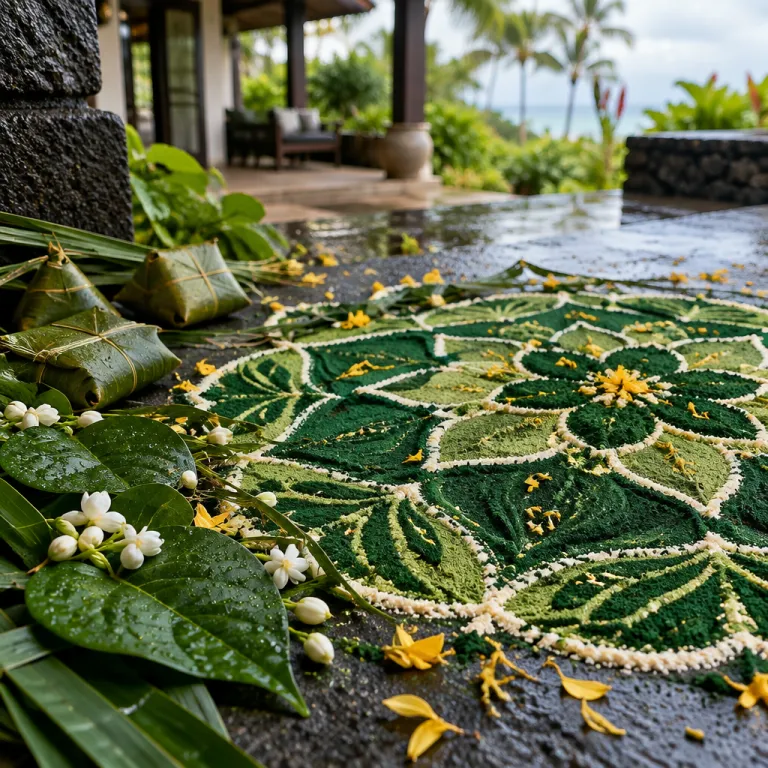
Walk from the central market towards the Caudan waterfront as festival lights begin to flicker on. You will see families from across the island pausing to photograph coloured lights, then drifting towards the food stalls as fireworks displays crackle over the harbour. The atmosphere stays good natured and relaxed, yet the symbolism of good over evil remains present in the oil lamps and rangoli patterns at shop entrances, and in the diyas lit outside small shrines.
For luxury travellers, the north coast offers refined bases that keep you close to these events while preserving calm. Grand Baie, with its lagoon and polished services, works well if you want nightlife after Diwali celebrations, while quieter stretches near Trou aux Biches suit a slower day after the main festival. From either, a driver can bring you into Port Louis for the evening, then return you to the privacy of your suite once the last fireworks displays fade, a pattern many repeat guests follow each year.
If you want a Diwali Mauritius festival experience that pairs culture with classic beach time, consider a stay that includes an east coast escape to Île aux Cerfs refined island escapes. Spend the festival day in town, then retreat to the island for lagoon swimming and spa activities once the crowds thin. This contrast between city lights Diwali moments and quiet reef mornings is one of Mauritius’s great luxuries, and many local tour operators now build it into seasonal Diwali packages.
Le Morne and the south: heritage, quiet nights and Diwali by the lagoon
The south of Mauritius offers a different Diwali Mauritius festival experience, quieter yet deeply rooted in traditions. Villages around Mahebourg and Souillac glow with festival lights strung along verandas, and the night air smells of incense and frying gateaux piments. Here, the Hindu festival sits within a landscape of sugarcane fields, basalt cliffs and fishing piers rather than city streets, and conversations often turn to family stories of migration and faith.
Le Morne, on the south west tip of the island, adds another layer with its UNESCO listed mountain and powerful history. Staying in one of the refined properties near Le Morne gives you access to both lagoon calm and nearby villages where Diwali celebrations unfold in a more intimate way. A curated outing from a hotel such as those featured in our guide to refined stays between lagoon, mountain and heritage at Le Morne can introduce you to families who are comfortable sharing their traditions, often with a local cultural mediator present.
On Diwali day itself, many south coast hotels dim their own lighting early so guests can appreciate the festival lights along the shore. Expect special events such as diya lighting ceremonies on the beach, live séga performances and tasting menus inspired by Indo Mauritian home cooking. The best services will always frame these activities as an invitation to observe and learn, not to intrude on private prayers or turn the good versus evil symbolism into a photo backdrop, a point often emphasised by local guides.
For a unique experience, split your trip between Le Morne and a central plateau stay. Spend one evening in a village where coloured lights outline modest homes, then another at your resort watching fireworks displays reflected in the lagoon. This dual perspective reveals the cultural richness of Diwali on an island where history, faith and the sea are always in conversation.
Choosing the right luxury hotel for an authentic Diwali stay
Where you sleep shapes how your Diwali Mauritius festival experience unfolds. Some properties treat the diwali festival as a themed night, while others build thoughtful programmes that respect traditions on the island and support local communities. Ask specific questions before you book, and you will quickly sense which approach a hotel takes, especially when they describe how long they have been hosting Diwali celebrations.
Look for hotels that collaborate with nearby temples, artisans and caterers for their Diwali celebrations. A strong cultural programme might include storytelling about the Hindu festival and its good over evil narrative, sweet making workshops with local cooks, and guided visits to neighbourhood events rather than staged performances on the lawn. When a property talks about mauritius celebration in terms of shared values across Mauritians faiths, you are usually in good hands, and many reputable resorts now highlight their cultural advisors by name.
On the west coast, long established resorts such as those highlighted in our review of beachfront elegance on Flic en Flac’s iconic shore often balance large scale services with intimate festival moments. You might join a small diya lighting at sunset, then enjoy a tasting menu that traces Indo Mauritian migration stories through spices and textures. The aim is a unique experience where luxury, cultural richness and respect sit comfortably together, echoing the way the island’s own communities share the festival.
When you confirm your booking, focus on practical details such as cancellation terms, airport transfers and whether Diwali activities are included or charged separately. These points shape how flexible your plans feel, from arranging special events on Diwali day to tailoring activities during the rest of your trip. Clear communication about inclusions and timing is another quiet sign that a property treats both guests and local traditions with care.
FAQ about Diwali and luxury stays in Mauritius
How many days should I stay in Mauritius for Diwali ?
Plan at least five nights in Mauritius around Diwali for a balanced trip. Arrive two or three days before the festival day to feel the build up of Diwali celebrations in markets and villages. Stay one or two days after to unwind by the lagoon and reflect on your Diwali Mauritius festival experience, especially if you have split your stay between two coasts.
Is it respectful for travellers to attend Diwali events and temple ceremonies ?
Visitors are welcome at many public Diwali events in Mauritius, especially in Port Louis and larger towns. Temple ceremonies during the Hindu festival are usually open, but you should dress modestly, remove shoes where required and avoid photographing private prayers. When in doubt, ask a local guide or your hotel concierge, who can arrange a unique experience that respects all traditions on the island and follows local etiquette.
Which part of the island is best for combining luxury and Diwali culture ?
The north and west coasts offer the easiest blend of refined resorts and access to Diwali celebrations. From Grand Baie or Flic en Flac, you can reach Port Louis quickly for festival lights and fireworks displays, then return to quiet beaches afterwards. The south around Le Morne suits travellers seeking a slower Diwali Mauritius festival experience with more village based traditions and time for reflection.
What should I wear for Diwali celebrations in Mauritius ?
Light, elegant clothing that covers shoulders and knees works well for Diwali in Mauritius. Many guests choose simple resort wear for hotel activities, then add a shawl or long shirt for temple visits and village events. Bright colours echo the coloured lights and lights Diwali motifs, but comfort and respect matter more than strict dress codes, and closed shoes are useful for walking between neighbourhoods.
Do luxury hotels in Mauritius organise special Diwali activities for solo travellers ?
Most premium properties design Diwali activities that work well for solo guests, from cooking classes to guided evening walks. Ask in advance whether the hotel hosts communal tables or small group outings to nearby events, which can turn a solo trip into a shared unique experience. A good concierge will also tailor services on Diwali day itself, ensuring you never feel like a spectator on the edge of the festival and always have someone to consult about timings.