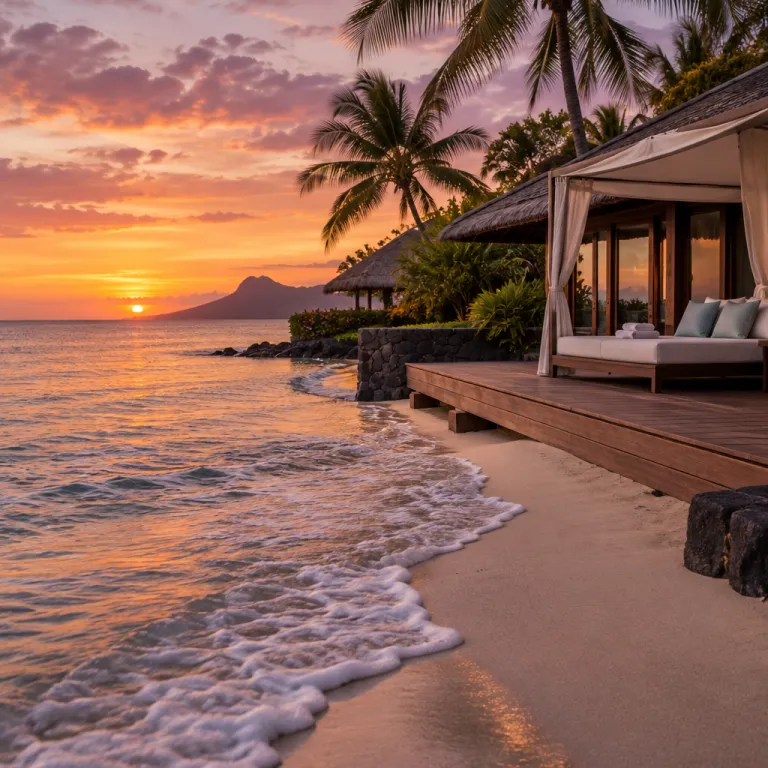
Choosing the right Mauritius beach coast for a luxury stay
Every stretch of shoreline in Mauritius has its own rhythm and character. On this compact Indian Ocean island, the coastline runs for about 160 km, yet each section offers a distinct mood for luxury travellers. Choosing the right coastal setting shapes the feel of your entire stay.
The north and west coasts are best for calm lagoon swimming, while the east feels breezier and the south more dramatic with open ocean swells. This means a couple seeking tranquil turquoise water and soft white sand will often prefer the sheltered bays of the northwest. Families, meanwhile, may choose a shallow tropical lagoon where palm trees and gently shelving water make activities easier with children.
High-end resorts cluster where the lagoon is wide, the water is clear, and the coral reef protects the shore from heavy surf. On these favoured stretches, you will often find long ribbons of sand framed by palm and casuarina trees, with views across deep blue horizons. Because all beaches in Mauritius are public and free by law, even guests at five-star properties can walk seamlessly from manicured hotel gardens onto the shoreline.
The island’s volcanic origins created a ring of coral reefs that now shelter most bays from the open Indian Ocean. This geology explains why many lagoons feel like natural infinity pools, with warm water and gentle waves ideal for swimming. It also means that when you book a luxury resort, you should check how close your chosen address sits to the reef edge and lagoon channels, especially if you plan to snorkel or sail.
For travellers focused on relaxation, the west coast offers long sunny afternoons and spectacular sunsets over the sea. Those who prefer a fresher climate and wind-based activities might lean towards the east, where the breeze keeps the air cooler and the water feels wilder beyond the reef. Either way, the combination of white sand, tropical vegetation, and blue water defines the classic Mauritian seaside experience.
Le Morne beach and the drama of Morne Brabant
Le Morne beach sits beneath the imposing Morne Brabant, a 556 m basaltic peak that dominates the southwest corner of the island. This mountain, listed as a UNESCO World Heritage Site for its cultural history, rises almost directly from the lagoon, creating one of the most dramatic coastal panoramas in Mauritius. The contrast between the rugged cliffs and the flat, pale shoreline is striking.
Here, the lagoon forms a wide, shallow expanse of turquoise water, protected by the outer reef yet open enough for world-class kitesurfing and windsurfing. Growing interest in these sports has turned this once remote peninsula into a hub for active travellers who still want high levels of comfort. Luxury resorts line parts of the bay, offering direct access to both the sandy shore and professional water-sports centres.
On a calm day, Le Morne reveals its gentler side, with clear blue shallows ideal for swimming and stand-up paddleboarding. When the trade winds pick up, the same lagoon becomes a playground for experienced riders, while beginners stay closer to the protected shoreline. This dual personality makes the area a compelling choice for couples where one partner seeks adrenaline and the other prefers a peaceful lounger under palm trees.
Because the headland juts into the Indian Ocean, sunsets here feel particularly intense, with the deep blue sea darkening while the sky glows behind Morne Brabant. Many luxury travellers choose this area for its sense of seclusion, as the mountain creates a natural barrier that separates the peninsula from busier parts of Mauritius. Yet road access remains straightforward, with typical private transfer times of about 1 hour 15 minutes from the international airport and around an hour from the main northern resort hubs.
If you value the idea of staying in one place and settling into a rhythm, the quiet elegance of a single resort stay near Le Morne can be very appealing; a perspective explored in depth in this guide to the quiet luxury of not moving between hotels. From this base, you can enjoy both the tropical lagoon and the hiking trails that climb partway up Morne Brabant on guided routes approved by local authorities. The combination of mountain, beach, and lagoon makes this corner of the southwest coast uniquely photogenic and emotionally resonant.
Grand Baie, Trou aux Biches and the vibrant north coast
The north of Mauritius blends lively coastal villages with some of the most accessible lagoons on the island. Grand Baie, often written as Grand Bay, anchors this region with its marina, restaurants, and nightlife, yet several nearby coves feel surprisingly tranquil. Luxury travellers can balance social energy with quiet sandy inlets and calm water.
Just west of Grand Baie lies Trou aux Biches, a long ribbon of white sand shaded by palm trees and casuarinas. This shoreline is renowned for its gentle turquoise water, making it ideal for swimming, snorkelling, and family-friendly activities. Many visitors consider Trou aux Biches one of the most beautiful options for a relaxed seaside holiday, especially when combined with a high-end resort set directly on the sand.
Further along the same arc, you will find more intimate coves and small public access points where the coastal experience feels almost village-like. Here, local fishing boats share the lagoon with guests from nearby luxury hotels, and the atmosphere remains authentically Mauritian. Because all beaches are public and free, you can stroll from one bay to another, comparing the feel of each curve of sand and the shade offered by different trees.
For travellers who enjoy a refined yet lively base, a curated selection of refined coastal stays around Grand Baie offers an elegant way to experience this part of island life. Many properties here overlook deep blue lagoons where yachts and catamarans anchor just beyond the swimming zone. Sunset cruises, snorkelling excursions, and private boat charters all depart from this compact area, often arranged directly through hotel concierges.
While Grand Baie itself has a smaller central beach, the real appeal lies in the string of nearby coves and the long sandy arc of Trou aux Biches. Together, they create a varied coastal landscape where you can shift easily between quiet mornings under palm trees and evenings in sophisticated bars or restaurants. As one repeat guest put it after a week in the north, “We never felt stuck in the resort—there was always another bay, café, or viewpoint within a ten-minute drive.” For luxury travellers who like options, the north coast delivers a flexible, engaging version of tropical paradise.
Flic en Flac and the long west coast lagoons
On the west coast, Flic en Flac, often shortened in casual speech to Flic Flac or written as flic flac, offers one of the longest continuous sandy stretches on the island. This beach runs for several kilometres, backed by trees and low-rise resorts, and fronted by a wide lagoon of shallow turquoise water. The combination of length, shade, and calm sea makes it a favourite for both residents and visitors.
Because the reef sits relatively far from shore here, the lagoon feels expansive, with plenty of space for swimming, kayaking, and gentle water activities. Families appreciate the gradual depth and the presence of lifeguards in some sections, while couples enjoy long walks on pale sand at sunset. The west-facing orientation means Flic en Flac regularly delivers some of the most photogenic golden hours anywhere on the Mauritian coastline.
Luxury resorts along this part of the west often occupy prime positions where palm trees frame direct lagoon access. Guests can move effortlessly from infinity pools to the sandy shoreline, choosing between fresh water and sea water within a few steps. Because the beach is public and free, you will also see local families picnicking under trees, which adds a relaxed, authentic layer to the overall atmosphere.
Further north along the same coastline, you reach other west coast bays, each with its own character but sharing the same calm lagoon. This makes the region ideal for travellers who want to sample several seaside locations without long transfers. A short drive can take you from Flic en Flac to more secluded coves or to resort-lined stretches with a stronger focus on luxury services.
For those seeking a refined beachfront escape on the northwest coast, properties such as Le Méridien Ile Maurice on the northwest shoreline showcase how modern design can frame views of deep blue lagoons and palm trees. From such bases, guests can explore both Flic en Flac and other nearby sandy stretches, always returning to high-end comfort. The west coast’s blend of long beaches, reliable sunsets, and sheltered water makes it a strong contender for first-time visitors to Mauritius.
Flacq, Blue Bay and the quieter east and south coasts
Travellers who prefer a breezier, more contemplative seaside experience often look towards the east and southeast coasts. Around the district of Flacq, sometimes referenced in travel notes as Flac, you will find long arcs of white sand and a slightly wilder feel, even when staying in polished luxury resorts. The trade winds keep the air fresh, and the Indian Ocean beyond the reef feels closer.
In this region, what some visitors casually call Flac beach usually refers to the long public stretches near Belle Mare and neighbouring villages. Here, tall trees and palms line the shore, casting dappled shade over the sandy ground. The lagoon remains swimmable, but the sense of open sea is stronger than on the north and west coasts, which appeals to travellers who like to feel the power of water even in a protected bay.
Further south, Blue Bay Marine Park has become a reference point for snorkelling in Mauritius. The official tourism board highlights this protected area as one of the island’s top underwater sites, with clear turquoise water, coral gardens, and abundant fish life. Local marine park rules typically require boats to use mooring buoys instead of anchors and ask visitors not to touch coral or collect shells, helping to preserve the reef for future guests.
Continuing along the south coast, you encounter more rugged scenery where cliffs and rocky headlands alternate with small sandy coves. These shores are less about long walks on uninterrupted sand and more about dramatic views of deep blue Indian Ocean swells. Swimming requires more caution here because some sections are less protected by the reef, but the sense of tropical paradise in its raw form is undeniable.
Luxury travellers choosing the east or south often value privacy, natural beauty, and a slower pace over nightlife. High-end resorts in these areas typically emphasise spa rituals, wellness programmes, and curated excursions into the island’s interior rather than busy bar scenes. For guests who want to feel the wind in the palm trees and hear the ocean’s constant rhythm, this side of the coastline offers a compelling alternative to the busier north and west.
How to choose the right luxury resort on a Mauritius beach
Selecting a luxury resort by the sea involves more than just admiring photos of white sand and blue lagoons. You need to match the character of each coastal area with your travel style, whether you prioritise privacy, activities, or easy access to local culture. Start by deciding which part of the island best aligns with your expectations.
On the north and west coasts, you will find a concentration of large luxury resorts with extensive facilities, multiple restaurants, and a wide range of water activities. These properties often sit on long sandy stretches where palm trees and other trees provide natural shade, and where the lagoon offers calm turquoise water for swimming. They suit travellers who want a classic tropical setting with plenty of on-site options.
In contrast, the east and south coasts tend to host resorts that lean into nature, wellness, and a sense of retreat. Here, the shorelines may feel slightly wilder, with stronger breezes and a more direct connection to the Indian Ocean beyond the reef. Guests who choose these areas often value the sound of waves and the sight of deep blue horizons as much as they value spa menus and fine dining.
When comparing resorts, pay attention to how each property uses its stretch of sand and lagoon frontage. Some hotels create quiet zones where you can relax under palm trees with minimal disturbance, while others emphasise beach activities such as kayaking, stand-up paddleboarding, or guided snorkelling. Because all beaches are public and free, consider whether you prefer a livelier atmosphere with local families nearby or a more secluded section of coast.
Finally, think about how you plan to explore beyond your chosen base. If you want to visit multiple areas, staying near major roads in the north or west can reduce transfer times between different parts of the island; for example, driving from Grand Baie to Flic en Flac typically takes around 1 hour 15 minutes by car. If your ideal holiday involves staying put and sinking into the rhythm of one place, a carefully chosen resort at Le Morne, near Grand Baie, or along Flic en Flac can provide all the elements of a luxury tropical escape without constant movement.
Practical tips for enjoying Mauritius beaches in luxury
Even on a luxury holiday, a few practical details can elevate your time by the sea. The island’s tropical climate means strong sun, so high SPF protection, hats, and light clothing are essential, especially on wide open stretches with limited natural shade. Early mornings and late afternoons often provide the most comfortable conditions for walking along the shore.
Because the island is encircled by coral reefs, water shoes can be useful when exploring shallow areas of turquoise water where coral fragments and sea urchins may be present. Many high-end resorts provide these along with snorkelling equipment and non-motorised water activities such as kayaks and paddleboards. Always follow local guidance about safe swimming zones, particularly on the south coast where the Indian Ocean can be more exposed.
Eco-tourism is gaining importance in Mauritius as reefs face climate-related pressures. Guests at luxury resorts can support preservation efforts by choosing operators who respect marine park rules and by avoiding contact with coral while snorkelling. Simple habits such as using reef-safe sunscreen and not feeding fish help protect the underwater world that makes the island’s lagoons so beautiful.
Transport-wise, private transfers or chauffeur-driven cars offer the most comfortable way to move between different parts of the coast. This is especially useful if you plan day trips from a base near Grand Baie to explore Trou aux Biches, or from Flic en Flac to visit Le Morne and its mountain backdrop. Distances are short, but traffic can slow journeys, so planning one or two focused excursions rather than daily cross-island trips keeps the holiday relaxed.
Finally, remember that while the shoreline is public and free, the services you enjoy on it vary by resort and municipality. Sun loungers, beach service, and water-sports equipment are usually reserved for hotel guests, while public areas remain open to everyone. Balancing time in your resort’s curated spaces with walks along the wider coastline gives you both comfort and a genuine sense of place.
Key figures about Mauritius beaches and coastline
- The coastline of Mauritius extends for about 160 km, which means you can theoretically drive around the entire island in a single day, yet each segment offers distinct beach and lagoon characteristics (figures broadly consistent with Mauritius tourism and geography data).
- Le Morne Brabant, the mountain that towers above the southwest lagoon, reaches approximately 556 m in elevation, creating one of the most dramatic backdrops for any coastal resort in the region (height referenced in UNESCO World Heritage documentation).
- The total land area of Mauritius is around 1,865 km², a compact size that allows luxury travellers to sample multiple seaside areas during a single stay without long internal flights or overnight transfers (standard geography profile data).
- Marine parks such as Blue Bay have increased demand for snorkelling activities, reflecting a broader shift towards eco-tourism and reef preservation along the island’s tropical coastline in recent years (noted in regional tourism and conservation reports).
FAQ about Mauritius beaches and luxury stays
Are Mauritius beaches free to access for non hotel guests ?
All beaches in Mauritius are legally public and free to access, even when fronting luxury resorts. Hotels may manage sun loungers and facilities for their guests, but the sandy shoreline and water remain open to everyone. You can walk along the coast in front of any property without paying an entrance fee.
Which Mauritius beach is best for snorkelling in clear water ?
Blue Bay Marine Park in the southeast is widely regarded as the top snorkelling spot on the island. The protected lagoon offers clear turquoise water, coral gardens, and abundant fish life close to shore. Several licensed operators run glass-bottom boat and snorkelling excursions that follow marine park regulations designed to protect the reef.
Which coast of Mauritius is best for calm lagoon swimming ?
The north and west coasts generally provide the calmest lagoon conditions for swimming, thanks to the way the coral reef shelters these areas from prevailing swells. Shores around Grand Baie, Trou aux Biches, and Flic en Flac are especially popular for gentle water and family-friendly depths. The east and south coasts feel breezier and more exposed to the Indian Ocean, though many sections still have swimmable lagoons.
When is the most comfortable season for a Mauritius beach holiday ?
The period from May to October usually brings drier, cooler, and less humid weather, which many travellers find ideal for a seaside stay. During these months, the air feels fresher, and the risk of heavy afternoon showers is lower than in the warmer, wetter season. Sea temperatures remain pleasant year-round, so you can swim in turquoise water in any month.
Is the south coast of Mauritius suitable for luxury travellers ?
The south coast offers a more dramatic, less developed version of the island’s tropical scenery, with cliffs, rocky headlands, and smaller sandy coves. Several high-end resorts have chosen this region precisely for its wild beauty and sense of seclusion. While swimming can be more challenging in some exposed areas, carefully selected properties provide safe lagoon access alongside striking views of the deep blue Indian Ocean.