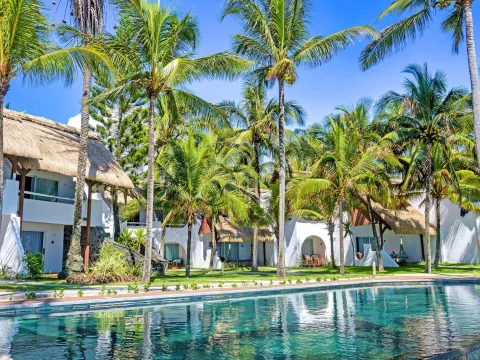
Planning a stay in Mauritius? Discover why the west coast offers the most reliable beaches, sunsets and resorts, and how to choose the right hotel for your trip.
Why the Mauritius west coast is the most reliable beach choice
Late afternoon on the west coast, the lagoon turns a deep, almost metallic blue while the sun drops behind the Indian Ocean. This is the moment that defines a stay in Mauritius west of the island. The wind calms, the sea flattens, and you understand why so many seasoned travellers quietly prefer this side over the more photographed east coast.
Weather is the first, very practical reason. The west coast is generally more sheltered, with calmer seas and fewer days disrupted by strong trade winds, which makes it a good choice if you plan to swim or paddleboard every day. Families appreciate this predictability ; children can stay in the water longer, and hotel teams can maintain a full programme of outdoor activities without constant reshuffling.
Scenery is the second argument, and it is decisive. From the dramatic outline of Le Morne Brabant in the south-west to the gentler curve of the bay near Flic en Flac, many hotels here offer a direct beach frontage with a wide, swimmable lagoon and a clear view of the sunset. If you are choosing between hotels in Mauritius, and a west-facing view matters more to you than early-morning light, this coast is hard to beat.
Choosing your stretch of west coast: from Flic en Flac to Le Morne
North of the Rivière Noire bridge, the long ribbon of sand at Flic en Flac feels almost like a Mauritian seaside town in miniature. You have a public beach lined with filaos trees, small snack stalls selling fresh pineapple with chilli salt, and a cluster of hotels set just behind the sand. A hotel in Flic en Flac suits guests who like to step outside the resort for a walk, a local bar, or a simple Creole dinner without needing a transfer.
Continue south towards Tamarin and Black River and the atmosphere shifts. The mountains close in, the coast becomes more indented, and resorts tend to be more self-contained, with larger gardens and more privacy. This is where you find some of the best hotels for couples who want space, a refined spa, and easy access to excursions inland towards Chamarel or the Gorges.
At the far south-west tip, under the shadow of Le Morne, the landscape becomes almost theatrical. Hotels here often sit on broader peninsulas with sweeping beaches and a clear view of the mountain. If you dream of that archetypal Mauritius hotel scene – palm trees, wide lagoon, golf course nearby, and a sense of being at the end of the island – this is the area to target when you check availability.
Beach, lagoon and swimming conditions: what to expect
Sand on the west coast is generally pale and soft, but not flour-fine everywhere. Around Flic en Flac, the beach is wide and gently shelving, with a long, shallow lagoon that suits families and less confident swimmers. You can walk out for several dozen metres at low tide, which makes it easy for children to play while adults watch from a lounger under the casuarina trees.
Further south, near Tamarin and Black River, the coastline is more varied. Some hotels sit on smaller coves with a mix of sand and coral fragments, which can mean clearer water but also a stronger case for light reef shoes. The reward is often excellent visibility for snorkelling just off the beach, especially on calm mornings when the lagoon feels like glass.
Le Morne brings a different dynamic again. The lagoon here is broad, with sections ideal for swimming and others used by kitesurfers when the wind picks up. Good hotels will clearly mark swimming zones and often provide kayaks or stand-up paddleboards to explore the coast. If daily ocean time is non-negotiable for your stay in Mauritius, the west coast’s combination of shelter and variety is a strong argument in its favour.
Resort style, spa culture and who each hotel suits
West coast hotels tend to fall into three clear families. Large, full-service beach resorts with multiple pools and restaurants ; quieter, design-led properties with a more intimate feel ; and expansive golf resort estates where the fairways are as central as the beach. Deciding between them is less about rating and more about how you like to spend your days.
For families, the big resorts around Flic en Flac and the Black River area usually work best. Expect kids’ clubs, shallow pools, and a steady rhythm of activities from morning to early evening. A good family hotel will offer interconnecting rooms or family suites, early children’s dinners, and a beach that is easy to supervise from the shade of a palm or pergola.
Couples and solo travellers often gravitate towards properties with a stronger spa and wellness identity. On this coast, that can mean a resort spa tucked into lush gardens, with open-air treatment pavilions and views towards the mountains rather than the sea. If you care more about the quality of the therapists, the quiet of the relaxation areas, and perhaps a small but well-curated bar, this style of hotel may suit you better than the livelier family-focused options.
Golf, inland excursions and how the west compares to other coasts
Golfers are particularly well served on the west side of Mauritius. Several hotels sit either on or next to 18-hole courses, creating true golf resort experiences where you can walk from your room to the first tee in minutes. A few properties combine this with a serious spa offering, effectively becoming golf and spa retreats with the beach as a bonus rather than the sole focus.
Access to the island’s interior is another quiet advantage. From the coastal road near La Gaulette, it takes around 25 minutes by car to reach the coloured earths of Chamarel and the surrounding viewpoints over the Black River Gorges. The drive itself, winding through small villages and sugarcane fields, is part of the pleasure and a reminder that Mauritius is more than its lagoon.
Compared with the east coast or the far north around Grand Baie, the west feels less about nightlife and more about long days outdoors. If you want chic beach clubs and a denser cluster of restaurants, the north may be a better match. If you are drawn to wilder waves and a more dramatic, wind-sculpted coastline, the east coast has its own appeal. For a balanced stay Mauritius experience – reliable swimming, strong sunsets, and easy access to Port Louis for a day in the capital – the west coast is often the most versatile choice.
Practical booking tips: how to choose the right west coast hotel
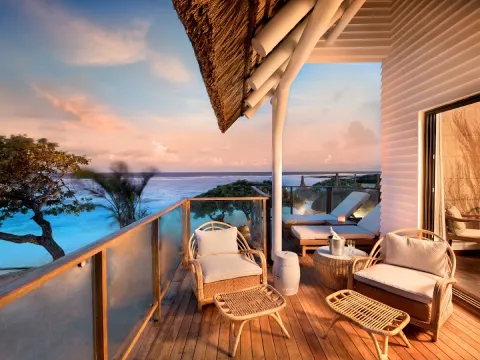
Room orientation matters more here than many guests realise. When you compare hotels Mauritius side by side, look carefully at whether your chosen room category faces the sea, the gardens, or an inner courtyard. A true ocean view on the west coast means you can watch the sunset from your terrace, which changes the feel of your stay entirely.
Beach access is another key filter. Some properties are directly on the sand with no road in between, while others sit slightly back with a short path or shared access to the coast. If you plan to move between room, pool, and beach several times a day, that distance – even if it is only 100 metres – becomes noticeable. When you check availability, pay attention to the hotel map or descriptions of how the buildings relate to the shoreline.
Finally, consider how often you want to leave the resort. If you enjoy exploring, a base near Flic en Flac or closer to Port Louis shortens transfer times and opens up more independent dining options. If your ideal Mauritius hotel is a self-contained world where you barely see a road all week, the more secluded stretches near Le Morne or towards Bel Ombre will feel more in tune with that vision.
West coast versus other iconic areas of Mauritius
Travellers often hesitate between the west coast and the postcard-famous beaches of Belle Mare or the lively bays around Grand Baie. The trade-off is clear. The east offers long, often spectacular beaches and a sense of openness, but it can feel cooler and windier, especially during the Mauritian winter months. The north delivers energy, shopping, and a denser concentration of hotels, but also more traffic and a busier lagoon.
The west, by contrast, is about balance. You still have access to the island’s highlights – a day trip to Port Louis for the Central Market on Sir Seewoosagur Ramgoolam Street, an inland detour to Chamarel, or a drive south towards Bel Ombre – yet you return each evening to calmer seas and a sunset-facing beach. For many repeat visitors, that rhythm becomes non-negotiable.
If this is your first stay in Mauritius and you want a single base rather than a multi-stop itinerary, the west coast is often the safest all-round choice. It works for couples, families, and multi-generational groups who need different things from the same resort. It also suits travellers who value a good spa, a well-kept beach, and the option of a round of golf as much as they value a high rating or the latest design trend.
Is the Mauritius west coast good for families?
Yes, the west coast is particularly good for families because the lagoon is generally calmer and more sheltered than on the east side of the island. Many hotels here offer shallow-entry pools, kids’ clubs, and easy beach access, which makes it simpler to manage different ages. Areas around Flic en Flac and Black River work especially well if you want both resort facilities and a few local restaurants or shops within a short drive.
How does the west coast compare to the east coast for beaches?
The east coast is known for long, dramatic beaches and a wilder feel, but it can be windier and the sea sometimes feels cooler. The west coast usually offers more sheltered lagoons, softer conditions for swimming, and reliable sunsets over the Indian Ocean. If you prioritise calm water and daily swimming, the west is often the better option ; if you prefer a more rugged, wind-swept atmosphere, the east may appeal more.
Where should I stay on the west coast for the best sunsets?
Any hotel with a clear, unobstructed view west over the lagoon will deliver strong sunsets, but the stretch from Flic en Flac down to Le Morne is particularly well placed. Properties on peninsulas or directly on the beach, without buildings in front, tend to offer the most dramatic evening views. When you compare options, focus on room categories that explicitly mention sea view or oceanfront to make the most of the west-facing light.
Is the west coast a good base for exploring the rest of Mauritius?
The west coast works well as a base because it sits within reasonable driving distance of several key sights. You can reach Port Louis in around 30 to 45 minutes from many resorts, head inland to Chamarel and the Black River Gorges, or drive south towards Bel Ombre for a change of scenery. While it is not as central as some inland locations, the combination of access and beach quality makes it a practical choice for a one-hotel stay.
Do I need a car if I stay on the Mauritius west coast?
A car is not essential, but it can be useful if you plan to explore beyond your hotel regularly. Guests who are happy to stay mostly within the resort and book occasional organised excursions can manage without. If you want to visit local restaurants, drive up to Port Louis, or explore inland areas like Chamarel at your own pace, renting a car for at least part of your stay gives you more flexibility.