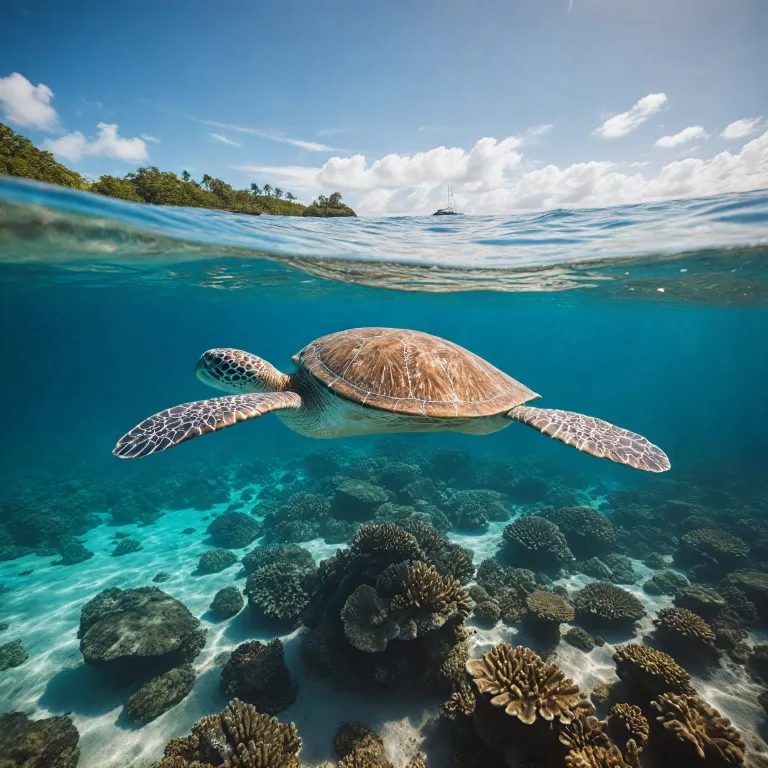
Luxury stays and diving Mauritius for discerning travellers
Diving Mauritius appeals to travellers who expect refined comfort alongside serious underwater exploration. On this coral ringed island, luxury and premium hotels align closely with certified dive centers, creating seamless itineraries that balance lagoon relaxation with exhilarating dives on the outer reef. For guests who value privacy and service, choosing the right property near the best dive sites becomes as important as selecting the right scuba equipment.
Mauritius is encircled by more than 100 mapped dive sites, and many of the finest luxury resorts sit within a short boat ride of renowned reef and wreck locations. When you plan a stay in Mauritius with diving in mind, it is worth checking which on site or partner dive center is certified by the Mauritian Scuba Diving Association (MSDA), because this guarantees adherence to national safety and environmental standards. Approximately 50 MSDA approved operators serve the coastline, so premium hotels can usually offer private or small group dives tailored to your level.
Water visibility can reach up to 40 meters in the clearest conditions, which is ideal for underwater photography and relaxed open water training. Many guests combine a first scuba diving course with a luxury holiday, using the calm lagoon as a classroom before progressing to deeper dive sites on the outer reef. This pairing of indulgent accommodation and structured dives works especially well for couples or families where some travellers are divers and others prefer beaches, spas, or cultural excursions.
Choosing the right coast for diving Mauritius and luxury hotels
Location on the island strongly shapes your diving Mauritius experience, particularly when you are booking a luxury or premium hotel. The north coast, anchored by grand baie, trou aux biches, and nearby coin de mire, offers some of the best diving for varied reef and wreck profiles combined with lively coastal villages. Many five star properties here work closely with an on site dive center, allowing divers to step from breakfast terrace to boat within minutes.
In the north, dive sites around coin de mire are famous for dramatic drop offs, schooling reef fish, and occasional reef sharks cruising along the wall. These dives suit confident open water divers who enjoy a mix of gentle drift and more structured multi level profiles, while sheltered inner reef areas remain suitable for training and refresher dives. Luxury hotels in grand baie and trou aux biches often schedule early morning and late afternoon boat departures, so guests can plan spa treatments or fine dining around their dives.
On the west coast, areas such as flic en flac combine long sandy beaches with access to caverns, arches, and several popular wreck sites. This region is particularly attractive for travellers who want sunsets over the Indian Ocean, calm water for non divers, and reliable logistics for multi day dive packages. When you stay in Mauritius on this side of the island, you also benefit from relatively sheltered conditions during the trade wind season, which can be important for less experienced divers.
Seasonality, water conditions, and timing your luxury dive stay
Scuba diving in Mauritius is possible throughout the year, but luxury travellers often fine tune their dates to match preferred water conditions. From november april, the island experiences warmer air and water, with lagoon temperatures typically between 26 °C and 29 °C, which many divers find especially comfortable for multiple daily dives. During this period, the water is usually calmer and clearer, which enhances underwater photography and makes long reef dives more relaxing.
Outside november april, from May to October, water temperatures generally range from 23 °C to 25 °C, which some divers consider ideal when using a well fitted wetsuit. Visibility often remains excellent, and the slightly cooler conditions can bring subtle changes in marine life behaviour, adding interest for repeat visitors. Luxury hotels frequently adjust their dive center schedules and wellness offerings to match these seasonal rhythms, pairing morning dives with afternoon spa rituals or warm pools.
Whichever time you choose to stay in Mauritius, it is wise to discuss your goals with the hotel and dive center before confirming dates. If you aim for the best diving on specific reef or wreck sites, staff can advise on prevailing winds, typical water movement, and how many dives per day are realistic for your comfort. They will also remind you to arrange appropriate diving insurance and to respect local conservation guidelines, which align with the MSDA focus on safe, sustainable marine tourism.
Signature dive sites, marine life, and what luxury guests can expect
The reef surrounding Mauritius hosts an estimated 430 marine species, giving divers a rich palette of colours and behaviours to observe. On many dives, you can expect to see abundant reef fish, from angelfish and butterflyfish to schools of fusiliers weaving above coral heads. More experienced divers often request outer reef or drop off dive sites, where encounters with reef sharks, tunas, and larger pelagics become more likely.
Wreck enthusiasts will find several notable dive sites off the north and west coasts, where scuttled vessels have become thriving artificial reefs. These wreck dives often suit advanced open water divers, yet some shallower options remain accessible to confident beginners under close supervision. In sandy patches near coral blocks, guides sometimes point out eel catfish and the distinctive striped eel catfish, which form tight, moving balls that fascinate underwater photographers.
Luxury hotels that specialise in diving Mauritius usually coordinate with MSDA certified partners to limit group sizes and match guides carefully to diver experience. This approach ensures that both novice and seasoned divers feel well supported, whether they are completing first scuba diving certifications or logging technical style multi level dives. For non divers or days off, the same properties typically highlight beaches, lagoon swimming, and curated excursions, so the underwater focus never overshadows broader island enjoyment.
Integrating premium hotel services with dive planning logistics
For travellers booking high end stays, the real advantage lies in how well hotel teams integrate diving Mauritius into a wider itinerary. Many luxury properties assign a dedicated concierge who liaises directly with the dive center, arranging equipment fitting, private guides, and tailored dive site selection. This coordination allows divers to focus on the experience while staff handle transfers, paperwork, and timing around meals or spa appointments.
When evaluating hotels, it is worth asking whether the dive center operates from the property itself or from a nearby marina. An on site base often means easier access to boats, secure storage for personal scuba gear, and flexible scheduling for early or late dives. Off site partners can still work very well, especially if transfers are short and well organised, but you should confirm travel times to avoid cutting into your leisure hours.
Luxury travellers who stay in Mauritius for a week or more often combine several regions to sample different dive sites and hotel styles. For example, you might begin with three nights in grand baie or trou aux biches for north coast reef and coin de mire walls, then move to flic en flac for cavern dives and west coast sunsets. Throughout, MSDA certified operators provide continuity in safety standards, while hotel teams ensure that every surface interval feels as polished as the underwater experience.
Safety, sustainability, and selecting trustworthy partners for diving Mauritius
Safety and environmental stewardship are central concerns for travellers investing in premium hotel stays linked to diving Mauritius. The Mauritian Scuba Diving Association (MSDA) acts as the national reference point, regulating dive centers and promoting best practices for both safety and conservation. Before confirming a booking, you should verify that your chosen dive center appears on the MSDA list of certified operators and maintains well serviced equipment.
“Verify that the dive center is certified by the MSDA.” This simple step reassures divers that staff follow recognised training standards, emergency procedures, and eco friendly guidelines when visiting sensitive reef areas. Certified operators also tend to brief guests thoroughly on local rules, such as avoiding contact with coral, not feeding fish, and maintaining respectful distances from marine life.
Luxury hotels increasingly align with these principles by supporting reef monitoring projects, limiting boat traffic on fragile sites, and encouraging guests to choose responsible dives. Many properties promote small group or private dives, which reduce pressure on popular dive sites and allow guides to manage buoyancy and behaviour more closely. As interest in sustainable travel grows, this integration of high end comfort, careful safety management, and meaningful marine conservation becomes a defining hallmark of the best diving experiences in Mauritius.
Key statistics for diving Mauritius and luxury travel
- Mauritius offers around 100 recognised dive sites distributed around the island.
- Water visibility can reach approximately 40 meters in favourable conditions.
- The surrounding reefs host an estimated 430 marine species for divers to observe.
Essential questions about scuba diving and luxury stays in Mauritius
Is scuba diving in Mauritius suitable for beginners ?
Yes, Mauritius offers dive sites suitable for all experience levels, including beginners. Certified dive centers provide training and guided dives to ensure safety and enjoyment. Many luxury hotels work closely with these centers, making it easy to schedule entry level courses alongside a relaxing island stay.
What is the best time of year to dive in Mauritius ?
Scuba diving is available year-round in Mauritius. Summer months (November to April) offer warmer water temperatures, while winter months (May to October) provide slightly cooler temperatures and the opportunity to observe humpback whales during their migration. Luxury travellers often choose dates within november april for warmer lagoon conditions, especially when planning multiple daily dives.
Are there any dangerous marine animals in Mauritius waters ?
While Mauritius waters are home to various marine species, the risk of dangerous encounters is minimal. The protective barrier reef prevents large sharks from accessing swimming and diving areas, and there have been no recorded shark attacks in Mauritius waters. This reassuring safety record, combined with MSDA oversight, makes the destination particularly attractive for families and new divers booking premium hotel stays.