Why a Mauritius UNESCO sites visit should anchor your luxury stay
Most couples arrive in Mauritius thinking lagoon first, heritage later. Yet the island only reveals its full character when a carefully planned Mauritius UNESCO sites visit sits at the centre of your itinerary, not squeezed between a spa treatment and a catamaran cruise. Treat each World Heritage location as a destination in its own right, and every sunset cocktail on the beach feels sharper, more layered.
On this Indian Ocean island, two listed UNESCO locations — Le Morne Brabant and Aapravasi Ghat in Port Louis — hold the emotional core of Mauritius heritage. They are not just heritage sites to tick off, but living anchors for the island’s sugar economy, its Creole language, its séga rhythms and its layered cultural landscape. When you understand how British colonial policy, runaway slaves and indentured labourers shaped this place, the polished service in your luxury hotel suddenly carries a different weight.
For a discerning traveller using a premium booking website, the main content should not simply filter by pool size and spa menus, then skip main cultural experiences. A thoughtful cultural itinerary in Mauritius becomes the narrative spine of a trip, around which you choose your hotel location, your transfers and even your restaurant reservations. The best properties now work with serious heritage centre partners and licensed guides, not just generic tour desks, to bring this history into focus.
Think of Le Morne’s morne cultural landscape and Aapravasi Ghat as the island’s two bookends. One heritage site rises above a turquoise lagoon, the other sits behind the busy port of Port Louis where cargo ships still move sugar and textiles. Between these two sites Mauritius reveals a story that is both intimate and global, and it deserves more than a rushed half day with a driver watching the clock.
Le Morne Brabant: from postcard landscape to memorial mountain
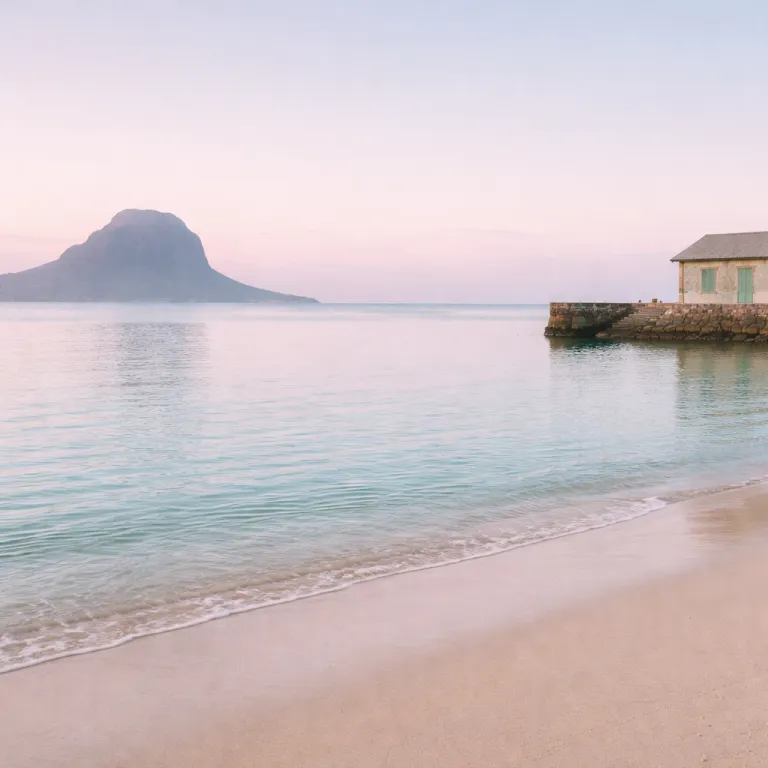
Le Morne Brabant is often sold as a top Instagram stop, a dramatic basalt peak at the south western tip of the island. From a distance, the mountain dominates the coastal landscape, its cliffs dropping towards one of the best lagoons in Mauritius for kitesurfing and long, lazy swims. Up close, a serious visit to this UNESCO cultural landscape turns that pretty view into a powerful memorial.
This morne cultural landscape was once a refuge for runaway slaves who escaped inland sugar estates and hid on the mountain, using its caves and ledges as shelter. The British authorities considered them fugitives, but for many Mauritians today Le Morne is a heritage site of resistance and survival, a place where oral history and official archives finally meet. When you stand at the base, looking up at the rock and out across the Indian Ocean, the resort villas behind you feel suddenly small.
Luxury couples often stay on this part of the island for its calm lagoon and easy access to Black River Gorges National Park. That national park, with its river gorges and dense forest, pairs beautifully with Le Morne for a full day that moves from natural spectacle to deep history. A private guide who understands both the ecology of the gorges national reserve and the cultural meaning of Le Morne will transform what could be a simple hike into a layered Mauritius heritage experience.
When planning through a premium booking platform, look for hotels that frame Le Morne as more than a backdrop. Some of the best addresses now offer early morning guided walks to the base of the mountain, followed by conversations with local historians at a nearby heritage centre. A detailed map of the area, including the official trailheads and memorial points, should be part of your welcome pack, not an afterthought at the concierge desk.
Use your Mauritius UNESCO sites visit to Le Morne as a reason to slow down your stay on this coast. Spend one day on the water, perhaps choosing a curated water activity guide for every level from a trusted partner, then dedicate another day entirely to the mountain and the adjacent national park. The contrast between lagoon leisure and the gravity of this listed UNESCO site is exactly what makes the island such a compelling luxury destination.
For couples torn between staying on the east or west coast, a thoughtful comparison of where to stay in Mauritius by region will help align your hotel choice with meaningful access to Le Morne and Black River Gorges. The west and south west offer the most direct routes to this heritage site, while still keeping you within easy driving distance of Port Louis for the second pillar of any serious cultural journey. Choose your base with this cultural geography in mind, not just the angle of the sunset from your suite.
Aapravasi Ghat and Port Louis: the Indian Ocean’s Ellis Island
Across the island from Le Morne, the port of Port Louis holds Aapravasi Ghat, the second pillar of any Mauritius UNESCO sites visit. At first glance, the site seems modest, a cluster of stone buildings tucked behind the busy harbour road and the central market. Yet this single location shaped the demographic and cultural future of the island more than any beach or bay.
Aapravasi Ghat is an immigration depot where indentured laborers arrived in Mauritius. Over 462,000 people passed through between 1834 and 1920, as the British government tested a new labour system after abolishing slavery in its empire (UNESCO World Heritage Centre). According to UNESCO, this volume of arrivals makes Aapravasi Ghat one of the most significant 19th century migration hubs in the Indian Ocean, and the figure “over 462,000” is not just a statistic; it is the human foundation of today’s Mauritian society.
These indentured labourers, recruited mainly from India, were brought to work on sugar plantations that still shape the island’s interior landscape. Walking through the restored rooms of this UNESCO heritage site, you see the registers, the cramped sleeping spaces, the narrow courtyards where families waited before being sent to estates. The ghat UNESCO inscription recognises this as a global turning point in labour history, not just a local footnote.
Port Louis itself rewards time, especially for couples who enjoy cities as much as resorts. Plan your Mauritius UNESCO sites visit so that you spend a full day in the capital, starting at Aapravasi Ghat, then moving through the market, the old sugar warehouses and the streets around the Champ de Mars. This is where the island’s cultural landscape feels most dense, with Chinese groceries, Tamil temples, mosques and Catholic churches all within a short walk.
Do not let a driver rush you through Aapravasi Ghat as a quick stop on the way to shopping. A good guide will connect the depot’s history to the food you eat that evening, explaining how indentured labour shaped dishes like cari, biryani and the street side dholl puri. When you later listen to séga music at a serious local venue rather than a hotel stage, the rhythms echo the same blend of African, Indian and European influences that passed through this port.
For couples who want to go deeper into this musical side of Mauritius heritage, a dedicated guide to where to hear Mauritius’s UNESCO listed music beyond the hotel stage is essential reading. Pair that with a day at Aapravasi Ghat and you have a Mauritius UNESCO sites visit that links port, history and nightlife in one coherent narrative. The island stops being a generic Indian Ocean resort and becomes a specific, unforgettable place.
When you return to your luxury hotel after a day in Port Louis, the contrast is striking. The polished calm of your suite, the curated wine list, the infinity pool overlooking the lagoon — all of it now sits on a mental map that includes the crowded depot rooms and the busy harbour. That tension between comfort and history is exactly why a serious engagement with these sites Mauritius offers should be non negotiable for thoughtful travellers.
Designing a culture rich itinerary around Mauritius’s UNESCO heritage
A sophisticated Mauritius UNESCO sites visit starts on your booking screen, not at the hotel tour desk. When you choose where to stay on the island, think in terms of cultural corridors rather than just beaches and golf courses. The goal is to weave Le Morne, Black River Gorges National Park, Aapravasi Ghat and even Ganga Talao into a coherent route that still leaves space for long swims and slow breakfasts.
One effective structure for couples is to split the trip between two locations, each chosen for its proximity to a different heritage site. Begin with three or four nights near Le Morne Brabant, using one full day for the mountain and another for the gorges national reserve and its river gorges. Then move to a property within easy reach of Port Louis, perhaps on the north west coast, to anchor your Aapravasi Ghat tour and capital city explorations.
On Le Morne days, start early before the heat builds on the mountain. Arrange a private transfer or guided excursion that focuses on the morne cultural landscape as a listed UNESCO site, not just as a photo stop from the roadside. After time at the memorial and viewpoints, continue inland towards Black River and the national park, where a guided walk reveals endemic plants, waterfalls and sweeping views back towards the coast.
Balance these heritage heavy days with time on the water, but keep the narrative thread intact. A curated water activity guide for every level can help you choose catamaran cruises, kayaking routes or kitesurfing sessions that still keep Le Morne in sight, literally and metaphorically. When you glide past the mountain on a late afternoon sail, the story of runaway slaves and resistance sits quietly behind the beauty.
On the Port Louis side of your itinerary, give Aapravasi Ghat the morning, when light is softer and the site is quieter. After absorbing the main content of the exhibition, step out into the city with a guide who can connect specific streets and buildings to the history of sugar, indentured labour and trade. Lunch in a simple local restaurant, then spend the afternoon exploring markets, religious sites and perhaps a small private heritage centre that deepens the story.
Throughout, use a detailed map to visualise how these heritage sites relate to your hotel, the lagoon and the island’s interior. This mental geography turns a Mauritius UNESCO sites visit from a set of isolated excursions into a continuous cultural landscape. By the time you leave, you will have traced a line from port to plantation to mountain to national park, and your memories of the best beaches will be inseparable from the history beneath your feet.
How understanding history elevates every luxury moment in Mauritius
The real argument for a deeper Mauritius UNESCO sites visit is not moral duty, but pleasure. Understanding the island’s history makes every sensory detail of a luxury stay more vivid, from the smell of sugar caramelising in a rum distillery to the sway of séga dancers on a village stage. Context is the quiet upgrade that no booking engine can list as an amenity.
Take the island’s food, for example, which is often marketed as a simple fusion of Creole, Indian and Chinese influences. When you have walked through Aapravasi Ghat and heard how indentured labourers brought spices, techniques and religious practices with them, a plate of cari or a street side snack becomes a direct line back to that port. The same is true of rum tastings on former sugar estates, where the landscape of cane fields suddenly reads as an archive of labour and land ownership.
Music works the same way. After a day at Le Morne, listening to séga or its modern cousin séga tipik in a serious venue rather than a hotel lobby feels different, especially if you have read a guide to hearing Mauritius’s UNESCO listed music beyond the hotel stage. The rhythms of the ravanne drum and the lyrics of old songs echo the same histories of slavery, resistance and migration that the heritage sites embody in stone.
Even the architecture of your luxury hotel starts to speak once you have seen the modest rooms of Aapravasi Ghat and the rugged slopes of Le Morne Brabant. High ceilinged suites, wide verandas and manicured gardens often borrow from plantation house aesthetics, whether consciously or not. A thoughtful property will acknowledge this lineage, perhaps through curated library selections, partnerships with local historians or staff led walks that explain the surrounding area.
For couples, this depth creates a different kind of romance. Shared experiences at powerful heritage sites, conversations about the British colonial past and the courage of runaway slaves, quiet moments looking at the Indian Ocean from a memorial viewpoint — these stay with you longer than any infinity pool selfie. The island becomes a place you have engaged with, not just consumed.
When you next scroll through a premium booking website for Mauritius, let the filters for spa and pool sit for a moment. Start instead with a mental map of the island’s UNESCO heritage, its key sites and the routes between them, then choose hotels that make those journeys easy and meaningful. A Mauritius UNESCO sites visit planned this way will not only respect the island’s history; it will give you the richest, most textured version of luxury the destination can offer.
Key figures that frame Mauritius’s UNESCO heritage story
- Over 462,000 indentured labourers arrived at Aapravasi Ghat between 1834 and 1920, according to UNESCO, making this single port site one of the most significant migration hubs in the Indian Ocean (UNESCO World Heritage Centre).
- The indentured labour system in Mauritius operated for 86 years, a duration that reshaped the island’s demographic balance and underpins much of today’s cultural landscape and cuisine.
- Mauritius currently has two cultural properties on the UNESCO World Heritage List — Le Morne Cultural Landscape and Aapravasi Ghat — a concentration that is unusually high for an island of just over 2,000 square kilometres (UNESCO World Heritage Centre).
- Black River Gorges National Park protects more than 6,500 hectares of forest and river gorges, providing the natural backdrop that connects coastal heritage sites to the island’s interior ecology.
- Port Louis handles the majority of Mauritius’s maritime trade, and its historic waterfront around Aapravasi Ghat illustrates how economic activity at a single location can drive both sugar exports and large scale human migration.