How mauritius sustainable travel hotels are changing luxury from the reef up
On Mauritius, luxury is no longer just about infinity pools and champagne. The most interesting eco-conscious island resorts now treat the lagoon as their real lobby, weaving marine conservation into every part of the stay. Couples who care about nature can finally book high-end retreats that take sustainability as seriously as service.
Across the island, management teams talk less about décor and more about coral health, marine life resilience and how to support local communities without diluting comfort. The best coastal hideaways work with marine biologists, invest in coral nurseries and invite guests into hands-on conservation Mauritius activities that feel meaningful rather than staged. This is where the global playbook of eco-friendly hospitality meets the specific realities of an island economy that imports most of what it consumes.
International pioneers help set the bar for what serious sustainability looks like in luxury resorts. Properties such as Bucuti & Tara Beach Resort in the Caribbean, Coral Blue Lagoon Resort, Eden Rock – St Barths, Six Senses Zil Pasyon and Le Barthélemy Hotel & Spa show how carbon neutrality, coral restoration and rigorous waste management can coexist with high-touch service. Their experience matters for Mauritius eco projects, because the same tools — from solar panels to water generators — are now being adapted by leading beach hotels along the coast.
For couples planning a romantic visit, this shift changes how you read a hotel website and how you plan travel days. Instead of scanning only for overwater spas, you start asking about coral reefs, marine discovery excursions and whether the property funds any nature reserve or forest restoration. You also look for clear sustainability reporting, not vague green slogans, because genuine conservation Mauritius work is always specific about methods, partners and results.
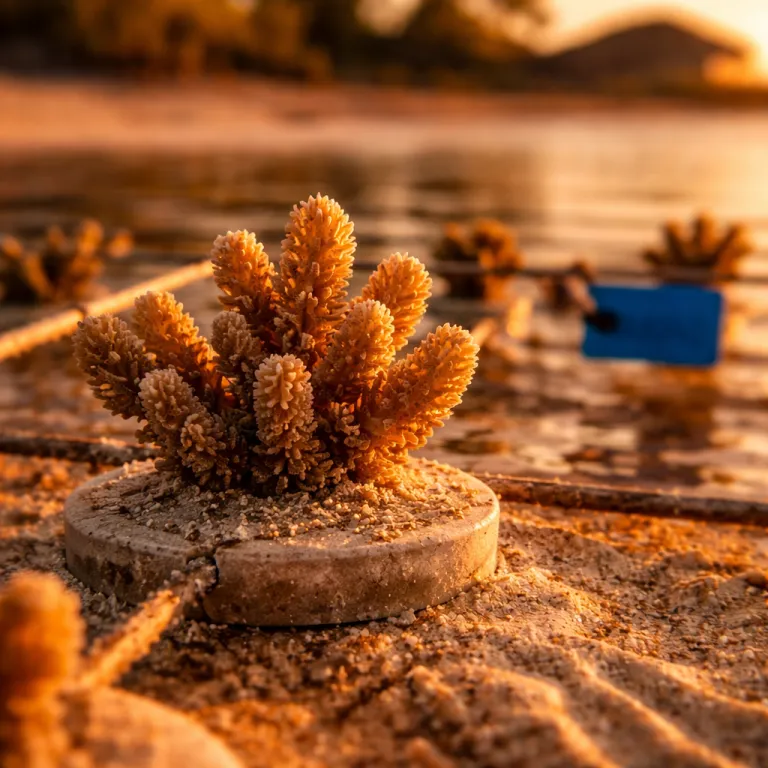
Coral restoration is often the most visible part of this new approach. Many lagoon-front properties now maintain coral nurseries in the lagoon, where fragments are grown before being transplanted back onto damaged coral reefs. At some sites in Mauritius, for example, NGOs report survival rates of around 70–80 percent for transplanted branching corals after the first year, provided monitoring is regular and water quality remains stable, as noted in recent lagoon restoration summaries by local marine scientists. Guests can join guided marine discovery sessions, snorkelling with biologists who explain how each species contributes to the wider marine ecosystem and why your stay fee can help protect it.
Reading the reef: coral nurseries, marine life and guest participation
Coral restoration is not a marketing flourish; it is a technical, long-term commitment. Experts define coral restoration very clearly: “What is coral restoration? Process of rehabilitating damaged coral reefs.” When Mauritius sustainable travel hotels talk about nurseries, ask where they are located, which coral species they cultivate and how often they monitor survival rates.
Some of the most engaged Mauritius eco programmes focus on the fragile lagoons near Île aux Cerfs and the protected islet of Île aux Aigrettes. Around these areas, coral reefs have suffered from warming seas, coastal development and careless marine traffic, so any credible conservation Mauritius project must work closely with local NGOs and marine parks. Organisations such as the Mauritian Wildlife Foundation and the Mauritius Marine Conservation Society, for instance, help design reef-safe mooring systems and run long-term monitoring of fish and coral cover. When a resort invites you to explore island waters on a guided snorkel, the briefing should cover reef-safe sunscreen, buoyancy control and how to avoid damaging coral with fins.
Look for properties that treat marine life as more than a backdrop for Instagram. Serious ocean-facing hotels will often host a small discovery centre on site, where you can learn about endemic species, turtle behaviour and lagoon hydrology before heading out. Some even share data from their coral monitoring with regional conservation networks, contributing to a wider understanding of reef health across the island and beyond.
Guest participation should feel like real science support, not a staged photo opportunity. When you help attach coral fragments to biorock structures or frames, staff should explain how electricity or mineral accretion accelerates growth and which species benefit most. Afterwards, couples can return another day to the same marine reserve area, snorkel above the frames and see how their small intervention fits into a much larger sustainability story.
Because Mauritius is ringed by shallow lagoons, even resorts far from famous marine parks can contribute. On the west coast near Black River and Tamarin, for example, hotels work with skippers to reduce anchor damage on coral reefs and to reroute dolphin-watching tours away from sensitive nursery zones. When you plan visit details, ask whether your chosen property limits motorised sports in key breeding areas or supports any local nature reserve focused on coastal habitats.
Choosing such a property becomes easier once you understand the island’s geography. A detailed regional guide to where to stay on the east coast versus the west coast helps you match your priorities — calmer lagoons, wilder surf, or easier access to marine conservation sites — with specific resorts. Use that kind of regional insight to choose eco-conscious bases that minimise transfers while maximising time in the water with qualified guides.
Carbon neutral claims, architecture and the SUS-ISLAND framework
Carbon neutrality has become the new status symbol in high-end hospitality, but the label means little without context. When Mauritius sustainable travel hotels claim to be carbon neutral, you should ask how much they reduce emissions on site before turning to offsets. The most credible properties publish clear data on energy use, renewable generation and the share of emissions they still need to compensate.
Architecturally, the island is well placed to cut energy demand through tropical modernism. Many newer lodges and villas use deep verandas, cross ventilation and shaded courtyards to reduce air-conditioning loads, which is crucial on an island where imported fuel still powers much of the grid. When you browse a hotel website, look for references to passive cooling, solar hot water and smart controls that limit unnecessary lighting in public areas.
The SUS-ISLAND initiative by the Tourism Authority adds another layer of accountability. Participating Mauritius sustainable travel hotels must show progress on sustainability indicators such as waste management, water efficiency, community impact and biodiversity protection, not just headline carbon numbers. The framework uses a scorecard of criteria — from single-use plastic reduction to staff training hours and documented community projects — and requires periodic audits before certification is renewed, so guests can see whether improvements are continuous rather than one-off.
Global benchmarks help frame what is possible. Bucuti & Tara Beach Resort, for example, is recognised as the Caribbean’s first certified CarbonNeutral resort, while Coral Blue Lagoon Resort reports running entirely on renewable energy and supporting extensive marine conservation in its own lagoon. These case studies matter for Mauritius eco projects, because they demonstrate that luxury resorts can reach close to 100 percent renewable energy usage and still deliver polished service, refined dining and attentive staff.
For couples, the practical question is how to verify claims without turning the holiday into an audit. Start by checking whether the property publishes a sustainability report, lists its conservation partners and explains its offset projects in plain language. If a hotel simply states “we are green” without mentioning specific species, habitats or community programmes, you are probably looking at greenwashing rather than grounded conservation Mauritius work.
Culture should also be part of any serious sustainability conversation. A property that celebrates séga performances, serves dholl puri at breakfast and introduces you to local rum distilleries is more likely to invest in heritage and community than one that feels interchangeable with any other Indian Ocean resort. One in-depth guide to the cultural fabric of a Mauritian stay shows how music, street food and sugarcane spirits can anchor your visit in place, turning carbon neutral claims into part of a wider respect for local identity.
Waste, water and what “eco friendly” really looks like on holiday
Plastic is where many Mauritius sustainable travel hotels either prove their seriousness or reveal the limits of their ambition. A genuinely eco-friendly resort will have phased out single-use plastic bottles, straws and amenity containers, replacing them with filtered water stations, glass carafes and refillable dispensers. When you enter the room and see only plastic-wrapped toiletries, you already know how the rest of the sustainability story will read.
Water is another quiet but critical frontier on an island that depends heavily on rainfall and careful storage. Some properties now use atmospheric water generators, greywater recycling and low-flow fixtures to reduce pressure on local aquifers, while still allowing guests to enjoy long showers after a day in the lagoon. Ask whether the hotel monitors consumption per guest night and whether it shares those figures publicly, because transparency is the best indicator of genuine sustainability.
Food waste management separates the marketing-heavy from the truly committed. The most advanced Mauritius sustainable travel hotels track buffet leftovers, compost organic waste for on-site gardens and partner with local farms to turn kitchen scraps into animal feed, closing loops wherever possible. When a chef talks about sourcing, listen for details on support local producers, seasonal menus and how often imported items are flown in.
Some resorts go further by integrating a small discovery centre focused on waste and resource flows, not just marine life. Couples can tour back-of-house areas to see composting systems, glass crushing machines and linen reuse programmes, which turns abstract sustainability into something tactile and persuasive. This kind of behind-the-scenes access is a strong sign that the property has nothing to hide and views guests as partners in conservation Mauritius efforts.
Location also shapes what is possible. A large resort in Bel Ombre, for example, might have the scale to run its own biogas plant or extensive gardens, while a smaller lodge near Black River Gorges National Park could focus on low-impact design, limited room numbers and deep ties with nearby villages. When you explore island options, compare how different properties talk about waste, water and energy, then choose eco-conscious stays that match your values as closely as your aesthetic preferences.
Renovation cycles offer another opportunity to embed sustainability. When a major beach resort closes for a full-scale refurbishment, pay attention to whether the project includes energy-efficient systems, improved greywater treatment and better integration with surrounding nature. One detailed renovation story from a leading north coast property shows how upgrading rooms and pools can go hand in hand with reducing emissions and improving lagoon protection.
From ebony forest to Black River: choosing stays that protect land and culture
Marine projects attract the headlines, but the most thoughtful Mauritius sustainable travel hotels also look inland. The island’s remaining native forest, from the slopes above Chamarel to the ravines of Black River Gorges, shelters endemic species that exist nowhere else on earth. When a property supports reforestation or funds a nearby nature reserve, it helps stitch fragmented habitats back together.
Places such as Ebony Forest and other privately managed reserves show how tourism can finance long-term restoration. Couples can spend a day walking elevated walkways, learning how invasive plants are removed and how rare birds are coaxed back into recovering forest. If your lodge or resort offers guided trips to these sites, ask whether part of the excursion fee goes directly to conservation Mauritius projects or whether you should donate separately.
On the south coast, the Bel Ombre region has become a quiet laboratory for integrated landscape management. Here, some Mauritius sustainable travel hotels work with landowners, rangers and scientists to balance sugarcane, golf courses, wetlands and forest corridors in a single mosaic. Guests might kayak through mangroves in the morning, then join a guided night walk in a nearby nature reserve to listen for endemic species and learn how predators are controlled.
Culture is inseparable from this landscape. When a hotel encourages you to visit village markets, taste street food and attend séga performances on the beach, it is inviting you into the living heritage of the island rather than keeping you behind resort gates. Choosing to support local artisans, rum distilleries and family-run restaurants during your stay spreads the economic benefits of travel more evenly and reinforces the social side of sustainability.
For couples planning a romantic itinerary, the most rewarding approach is to combine coast and highlands. Spend a few nights in a lagoon-facing resort with strong marine discovery programmes, then move inland to a lodge near Black River Gorges or another forest reserve for hiking, birdwatching and cooler evenings. This two-centre strategy reduces backtracking, lets you explore island ecosystems in depth and channels your spending into both marine and terrestrial conservation.
Whatever mix you choose, the key is to plan visit details with intention. Use the hotel website not just to check spa menus but to read sustainability sections, scan for concrete conservation Mauritius commitments and see how often words like eco friendly, local community and endemic species are backed by specifics. When you choose eco-conscious properties that treat coral, forest and culture as equal pillars, your Mauritius journey becomes part of a much larger restoration story.
FAQ
How do I know if a hotel’s coral restoration is credible ?
Look for detailed information on which coral species are being restored, where the nurseries are located and which marine partners are involved. Credible Mauritius sustainable travel hotels will often share monitoring data, invite guests to visit the sites with trained guides and explain how their work fits into wider conservation Mauritius programmes. If the website only mentions “saving the reef” without specifics, treat the claim with caution.
What does it really mean when a resort says it is carbon neutral ?
Carbon neutral status means the resort has measured its greenhouse gas emissions, reduced them as much as possible on site and then offset the remaining balance through verified projects. Serious Mauritius sustainable travel hotels will publish figures on energy use, renewable generation and the share of emissions they still need to offset each year. If you cannot find this information, ask the property directly before you book.
Why is sustainable tourism so important for mauritius ?
The island’s economy depends heavily on travel, yet its ecosystems — from coral reefs to upland forests — are fragile and already under pressure from climate change. Sustainable tourism helps protect marine life, endemic species and cultural heritage while still providing income and jobs for local communities. As one expert summary puts it: “Why is sustainable tourism important? It preserves natural resources and benefits local communities.”
How can guests support local communities during a luxury stay ?
Choose eco-conscious resorts that employ and train nearby residents, source food from local farmers and collaborate with village artisans. During your visit, spend time in markets, book independent guides for day trips and buy crafts directly from makers rather than airport shops. This approach turns your Mauritius sustainable travel hotels experience into a direct investment in the island’s social fabric.
Can I participate in conservation activities without giving up comfort ?
Yes, many high-end resorts now integrate conservation into their guest experience without compromising comfort. You might join a morning coral planting session, an afternoon visit to a nature reserve or an evening talk at the on-site discovery centre, then return to a refined dinner and well-appointed suite. The most thoughtful Mauritius sustainable travel hotels make it easy to combine indulgence with impact.