Why a mauritius artisan craft experience belongs in your luxury stay
A mauritius artisan craft experience adds depth to a family holiday that might otherwise orbit only pools and buffets. When travelers step away from the resort and visit a working artisan market or small workshop, they meet the people who quietly shape Mauritian cultural identity through their hands. For a premium family used to polished lobbies, these encounters become the best souvenirs, because the craft and the conversation stay long after the sand has washed away.
Mauritius counts thousands of local artisans whose crafts contribute a measurable share to the national economy, and that economic reality matters when you choose where to shop. Buying Mauritian products directly at markets or from a local artisan in their atelier keeps more of your money in the village, rather than in a generic gift shop margin. A curated mauritius artisan craft experience woven into your hotel itinerary turns shopping into a chain of cultural experiences, where each textile, piece of jewelry or carved object carries a story you can retell to your children.
Luxury hotels across Mauritius are slowly reframing the idea of a shopping experience, moving away from imported products and toward partnerships with local artisans and craft organizations. Some properties now offer guided time to visit an artisan market or craft markets instead of only scheduling catamaran cruises, giving families structured ways to explore without sacrificing comfort. When you plan your stay through a premium booking website, look for itineraries that highlight artisan crafts, food stalls, and street food stops alongside spa menus, because that balance signals a property that understands modern cultural travelers.
Port Louis central market: where a craft trail really starts
Port Louis is where a mauritius artisan craft experience comes alive in full color and sound. The historic central market, sometimes called the Port Louis Central Market or simply Louis Central by taxi drivers, is a layered world of food, textiles, and handmade crafts under one high roof. Families staying in the north or west can reach it in under an hour, and the best time to arrive is early morning when the air is cooler and the local snacks are freshest.
Start on the ground floor among the fruit and vegetable stalls, because this is where you feel the pulse of Mauritian food culture before you even think about shopping. Children are usually fascinated by the pyramids of spices and the calls from vendors selling local snacks, while parents can ask about ingredients that later reappear in hotel menus. This first level is also where you sense how markets in Mauritius function as social spaces, not just places to buy products.
Climb the stairs and the craft market section opens up, with rows of artisan crafts, textiles, and souvenirs that range from mass produced to genuinely handmade. To turn this into a meaningful shopping experience, look for stalls where the seller can explain how a craft is made, whether it is wood carvings, textiles jewelry, or small pieces of textile art. The most rewarding time to visit is when you can linger, ask questions about Mauritian products, and let your children handle fabrics and simple craft tools under a local artisan’s patient supervision.
From vacoa weaving to model ships: crafts that define Mauritius
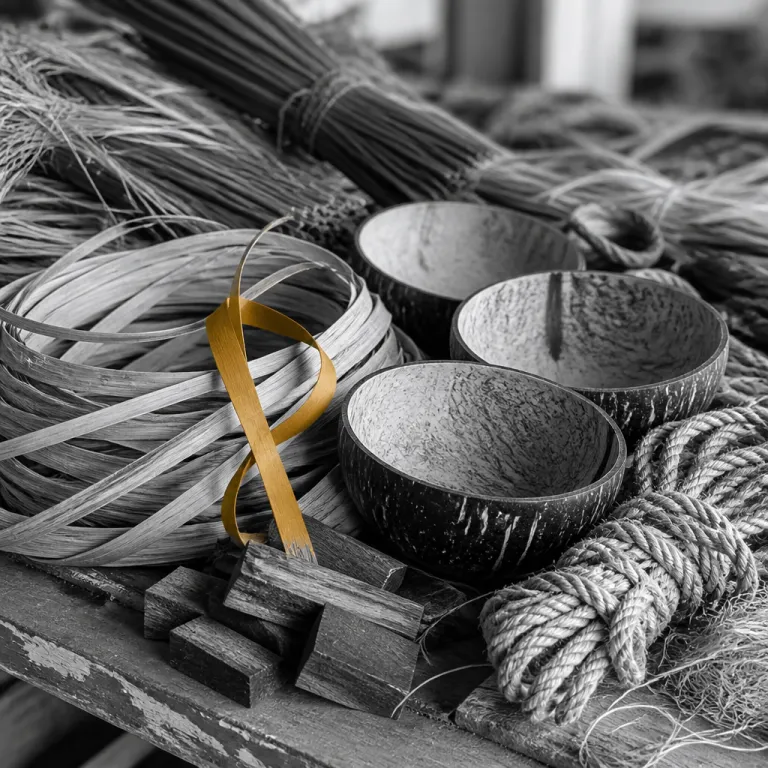
A serious mauritius artisan craft experience should include vacoa weaving, the palm leaf craft practiced mainly by women in rural communities. Vacoa leaves are stripped, dried, and woven into bags, mats, and hats, and many Mauritian families still pass these techniques from mother to daughter as a quiet form of cultural continuity. When your hotel concierge arranges a visit to a village workshop, you see how each handmade piece reflects hours of work that no factory can imitate.
Model ship building is another signature craft, rooted in the island’s maritime history and long relationship with trade winds and shipping routes. In small workshops, artisans assemble intricate replica vessels from wood, textiles, and fine metal, often using traditional plans that reference historical ships anchored off Mauritius. Families can watch a hull being sanded or tiny textiles being rigged as sails, and children quickly understand why these are not generic souvenirs but serious craft objects.
Beyond these headline crafts, you will encounter textile and embroidery artisans who dye fabrics by hand, stitch Creole inspired patterns, and transform simple textile panels into wearable art. Some artisan markets near Belle Mare and along the east coast host collectives where local artisans share space, so travelers can move from one table of textiles to another display of jewelry or wood carvings in a single, relaxed time visit. When you buy directly from these makers, you are not only securing the best pieces, you are also reinforcing the economic argument that keeps traditional crafts alive in Mauritius.
Essential oils, food stalls and the role of ethical shopping
Essential oil distillation adds another layer to a mauritius artisan craft experience, especially for families interested in wellness. Small family operations transform ylang ylang, vetiver, and lemongrass into concentrated oils using simple stills, and many welcome travelers for a short visit and explanation. The process is both technical and sensory, with children often captivated by the scent of crushed leaves and the sight of steam rising from copper equipment.
These distilleries usually sell their own products on site, from pure oils to small batches of soap and home fragrance, which makes the shopping experience feel intimate rather than transactional. When you compare prices with resort boutiques, you quickly see how buying at the source supports local artisans more directly and often yields better quality. Ethical shopping in Mauritius is not an abstract concept ; it is the decision to choose Mauritian products from local artisans instead of anonymous imports.
Food stalls and street food vendors around markets in Port Louis and coastal towns complete the picture, turning craft markets into full cultural experiences. A family might move from tasting dholl puri at a street food stand to selecting textiles jewelry or carved souvenirs at a nearby artisan market, all within a few hundred meters. This rhythm of food, craft, and conversation is what separates a quick market stop from a fully formed mauritius artisan craft experience that feels worthy of a luxury itinerary.
How luxury hotels curate meaningful artisan encounters for families
Premium hotels in Mauritius are beginning to treat the mauritius artisan craft experience as a core part of their cultural programming rather than an optional extra. Some properties partner with initiatives such as L’Atelier des Artisans or Imiloa Collective to bring local artisans on site for demonstrations, while others organize guided craft trail days into Port Louis and coastal villages. For families, this means you can enjoy the comfort of a high end base while still accessing authentic markets and workshops without logistical stress.
A well designed itinerary might start with a morning visit to the Craft Market at Le Caudan Waterfront, continue to a recycled craft shop like Bazart Kreasion, then end at a collective such as Artizo D’zil in the north. Along the way, your guide helps you distinguish between mass produced souvenirs and genuine artisan crafts, pointing out details in textiles, jewelry, and wood carvings that signal handwork. This kind of curated shopping experience respects your time, your budget, and the dignity of the local artisans you meet.
When you evaluate luxury hotels on a booking website, look beyond room size and pool design to see how they engage with Mauritian crafts and markets. Properties that schedule regular shuttles to Port Louis, suggest the best time to explore the central market, and brief guests on respectful behavior at artisan markets usually deliver richer cultural experiences overall. As one local explanation puts it, “What crafts are unique to Mauritius? Model ships, basket weaving, and textile arts.”
Choosing authentic artisans over tourist performances
Not every mauritius artisan craft experience offered to travelers is equally authentic, and luxury guests should be selective. Some venues stage performances where artisans sit behind tables of identical products, with little space for conversation or demonstration. These can still be pleasant for quick shopping, but they rarely deliver the cultural depth that families seeking meaningful encounters usually want.
Authentic spaces tend to be smaller, slightly less polished, and anchored by local artisans who can explain their craft in detail. You might see a woman splitting vacoa leaves on her doorstep, a craftsman adjusting rigging on a half finished model ship, or a textile artist stirring a dye bath in a courtyard behind a shop. In these settings, the best moments often come when your children ask simple questions and the artisan responds with stories about grandparents, villages, and the changing markets of Mauritius.
To avoid disappointment, ask your hotel concierge or booking advisor specific questions about any proposed craft market or artisan market visit. Request details about which Mauritian products are made on site, whether there are working food stalls or street food vendors nearby, and how much time you will have to explore independently. When the answers emphasize real workshops, local snacks, and flexible time to visit rather than only quick photo stops, you can be confident that your mauritius artisan craft experience will feel as premium as your suite, just in a very different way.
FAQ
What crafts are unique to Mauritius and worth seeking out?
Travelers interested in a mauritius artisan craft experience should prioritize model ship building, vacoa palm leaf weaving, and textile arts. These crafts are deeply rooted in Mauritian history, from maritime trade routes to rural village life. You will also find distinctive wood carvings, textiles jewelry, and handmade accessories that reflect the island’s mixed cultural heritage.
Where can I meet local artisans during a hotel stay?
Port Louis is the most efficient starting point, especially the central market and the Craft Market at Le Caudan Waterfront, where many local artisans sell directly. Beyond the capital, look for artisan markets and small shops near Belle Mare and in northern villages, where collectives such as Artizo D’zil host multiple makers under one roof. Your hotel concierge can arrange guided visits so you can meet a range of artisans in a single day without worrying about transport.
How can I support Mauritian artisans responsibly?
The most direct way is to buy Mauritian products from artisans themselves at markets, workshops, or reputable craft markets rather than only in resort shops. Pay fair prices, avoid aggressive bargaining, and ask about the story behind each craft, whether it is textile work, jewelry, or food related products. Sharing these stories with friends and family after your trip extends the impact of your purchases beyond Mauritius.
What is the best time to visit markets with children?
The best time for families to visit markets in Mauritius is early morning, when temperatures are lower and crowds are thinner. Port Louis Central Market and nearby food stalls feel calmer then, making it easier for children to navigate and engage with local artisans. Late afternoon can also work, but midday heat and busier aisles may be tiring for younger travelers.
Are artisan markets suitable for a luxury focused itinerary?
Artisan markets fit naturally into a luxury itinerary when they are thoughtfully curated and supported by your hotel. Many premium properties now integrate market visits, craft demonstrations, and street food tastings into private or small group excursions. This approach allows you to enjoy authentic cultural experiences and a rich shopping experience while maintaining the comfort and service level you expect from a high end stay.