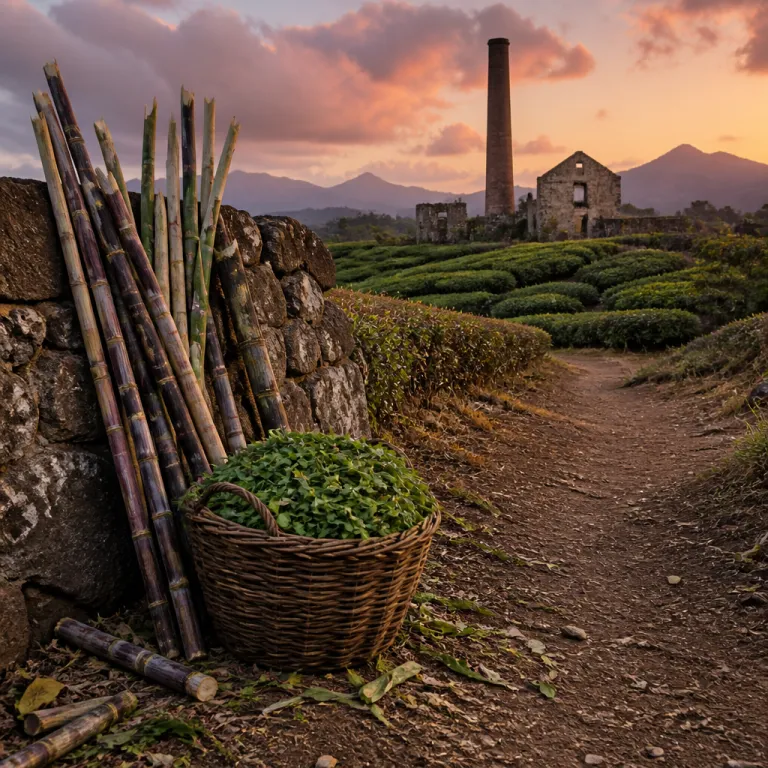
The Mauritius plantation tour heritage estate experience for luxury travelers
On Mauritius island, the old sugar roads still shape how you travel. A thoughtful plantation heritage itinerary turns a simple day trip into a narrative that links cane fields, tea slopes and the Indian Ocean light. When you plan your stay in Mauritius around these landscapes, you add depth to even the most polished resorts.
The main content of any serious heritage-focused journey should start with context. This island was engineered as a plantation economy, and its historical heritage runs from Dutch experiments to French estates and British industrial sugar mills. When you explore this history and culture with a good guide, the best things you see in the fields suddenly connect to the port, the museums and the grand maisons where decisions were made.
For luxury guests, the Mauritius plantation heritage estate theme is not an abstract idea. It becomes a curated strand of the trip that sits alongside water activities, spa rituals and fine dining in the best resorts Mauritius can offer. When you choose your hotel booking, look for properties that integrate guided heritage tour options, estate dinners or rum tastings that reference the island’s past rather than treating it as décor.
Many travelers arrive focused on lagoons and special offers, then realise the things Mauritius does uniquely well are inland. A single day spent on one of the classic heritage tours will often change how you see every sugar packet on the breakfast table. One guide at a southern estate likes to say, “If you understand the fields, you understand the island.” That is why our guide to the Mauritius plantation heritage circuit treats it as essential, not optional, for anyone serious about understanding Mauritius at its best.
Sugar, port cities and the historical heritage of Mauritius
The sugar industry is the backbone of modern Mauritius history. From the first Dutch attempts at cane to the French and British expansion, the island became a web of estates feeding a global port network across the Indian Ocean. When you visit today, only a small number of operational mills remain, but their influence is written into every coastal village and inland road.
Port Louis is where this story hits the water. The capital port grew as sugar exports increased, and any serious plantation heritage route should include time in its streets and markets. Before you rush to skip main attractions in favour of malls, walk from the Caudan waterfront towards the old port area, then head inland to the market where cane juice, spices and chilli paste still anchor daily life.
To understand why the market in Port Louis matters more than the overwater villa, read the detailed perspective in this Port Louis market guide for luxury travelers. That context turns a simple visit into a guided tour of trade routes, labour flows and creolisation. It also frames how you experience L'Aventure du Sucre, the flagship sugar museum housed in a former factory near Pamplemousses, whose official exhibits draw on archival material and industrial machinery.
At L'Aventure du Sucre, the museum layout walks you through machines, maps and personal stories that anchor the island in global history and culture. This is where the phrase “historical heritage” stops being brochure language and becomes a set of lives, contracts and ships. Many guests say that after this tour, they look differently at their resort buffets, their rum tastings and even the botanical garden nearby. Allow at least two to three hours for the visit; typical opening hours run from late morning to late afternoon, with last entry about an hour before closing, and current schedules and entry fees are published on the official museum channels.
Tea fields, highland estates and the contrast with coastal resorts
Leave the coast and the air cools as you climb towards the central plateau. Here, the Mauritius plantation heritage narrative shifts from sugar to tea, and the geometry of the fields changes from tall cane to neat green rows. This contrast between coastal estates and highland plantations is one of the best things Mauritius offers to travelers who like to explore beyond the beach.
Bois Chéri Tea Estate is the reference point for any serious tea-focused visit. Established in 1892, it remains the oldest tea plantation in Mauritius, and its factory, museum and lakeside restaurant form a compact guided tour that fits easily into a day. The official estate programme usually runs from mid-morning to mid-afternoon, with tastings scheduled around factory tours. When you walk through the factory floor, the metallic smell of drying leaves and the rhythm of the machines add another layer to your understanding of the island economy.
A well-designed itinerary often links Domaine des Aubineaux in Curepipe with Bois Chéri and then a coastal return, forming a coherent plantation heritage loop. Domaine des Aubineaux, with its creaking wooden floors and gardens, shows how a colonial estate functioned as both home and business nerve centre. From there, the road to Bois Chéri cuts through misty highlands that feel a world away from the resorts Mauritius is famous for; driving time between the two is usually around 25 to 30 minutes by car or private transfer.
If you prefer to base yourself in all-inclusive comfort and let others handle logistics, consider one of the all inclusive resorts for effortless luxury stays that offer curated plantation tours. These properties often bundle transport, a private guide and estate tastings into their special offers, turning a complex activity into a seamless experience. You still get the depth of history and the pleasure of tea tastings, but your booking process remains as smooth as your spa schedule.
Colonial maisons, botanical gardens and the architecture of power
Grand colonial maisons are the physical stage on which the Mauritius plantation heritage story unfolded. These houses, often raised on stone basements with sweeping verandas, were both family homes and command centres for vast cane estates. When you step inside a place like Domaine des Aubineaux, the antique furniture and portraits are not just decorative; they are part of a power structure that shaped the island.
Many of these estates have been converted into museums, restaurants or intimate guest houses, allowing visitors to stay in Mauritius in spaces that once controlled thousands of hectares. Heritage villas on former estates, especially around Bel Ombre in the south, offer a particularly strong sense of continuity between past and present. Here, you can wake to views of cane fields, then join a guided tour that explains how those same fields once fed ships in Port Louis.
The nearby Sir Seewoosagur Ramgoolam Botanical Garden at Pamplemousses is another key stop on any plantation-themed tour. Originally linked to estate-era plant introduction, this botanical garden became a testing ground for species that would later spread across Mauritius and the wider Indian Ocean region. Walking its avenues of giant water lilies and spice trees, you see how global trade, scientific curiosity and plantation needs intersected.
For many luxury travelers, the best things about these visits are the quiet details. The way a creole lunch is served on a veranda where contracts were once signed, or how a museum label in a former estate kitchen explains the daily activity of enslaved cooks. One curator recalls a guest falling silent in front of a simple iron pot, saying it told her more about the island than any infinity pool. These experiences turn a generic island tour into a Mauritius-best style journey, where every estate, museum and garden adds another layer to your understanding of things Mauritius rarely shows in beach brochures.
Indentured labour, Aapravasi Ghat and the human side of the trail
No Mauritius plantation heritage itinerary is honest without confronting labour history. After the abolition of slavery, the island turned to indentured labour from India and other regions, reshaping its demographics and culture. The port area of Aapravasi Ghat in Port Louis is the key site for understanding this shift.
Aapravasi Ghat, now a UNESCO-listed complex, was the landing point where hundreds of thousands of migrants entered the plantation system. Walking through its remaining structures, you see registration rooms, steps and courtyards that once processed human beings into contracts and cane fields. The official UNESCO documentation emphasises its role as a prototype for later indentured labour systems across the world. This is not a light activity, but it is essential if you want your visit to move beyond surface-level history and culture.
Many high-end tours now integrate Aapravasi Ghat into broader heritage routes that also include L'Aventure du Sucre and inland estates. This combination allows you to trace a line from the port to the fields, then to the grand houses and finally back to your resort, carrying a more complex understanding of Mauritius island. When you return to your hotel, the contrast between infinity pools and the stories you have just heard can be sharp, but that tension is part of responsible travel.
Some luxury resorts Mauritius-wide are beginning to offer curated “Mauritius discover” style programmes that frame these visits thoughtfully. A good guide will explain how indentured labour shaped language, food and music, linking what you see at Aapravasi Ghat to the séga performance you might watch that evening. This is where the plantation heritage theme becomes not just a list of sites, but a human narrative that runs through every activity on your trip.
How luxury resorts and heritage villas curate plantation themed stays
For many readers of stay-in-mauritius.com, the starting point is not the museum but the room key. You are choosing between resorts Mauritius-wide, heritage villas on former estates and all-inclusive properties that promise effortless luxury. The question is how to align your booking with a plantation heritage experience that feels both authentic and comfortable.
In the south, the Bel Ombre area is a strong base for this kind of stay. Here, large integrated resorts sit alongside heritage villas and restored estate buildings, allowing you to sleep within the old plantation grid while enjoying contemporary service. Many properties offer guided tour options that link the estate, nearby sugar fields and coastal water activities into a single curated day.
When you compare options, look beyond spa menus and pool counts. Ask how the property engages with local history and culture, whether through estate dinners in restored maisons, rum tastings that reference L'Aventure du Sucre or partnerships with guides who can lead you through the heritage trail. The best things you can do as a guest include choosing tours that support local communities and museums, rather than generic island drives.
On the practical side, a well-planned plantation heritage day usually starts early to avoid midday heat. Many operators offer both self-guided visits with maps and audio guides, and fully guided tours with transport, so you can choose according to your preferred level of structure. Wear comfortable walking shoes, check opening hours and current ticket prices in advance—most major sites open by mid-morning and close by late afternoon—and remember that a slower pace often reveals the most meaningful things Mauritius has to share.
Designing your own Mauritius plantation tour heritage estate itinerary
Independent travelers often prefer to shape their own routes rather than join group tours. On Mauritius island, that approach works well for the plantation heritage theme, because the key sites are spread across manageable driving distances. With a rental car and a clear plan, you can link estates, museums and ports into a satisfying day or two.
A classic full-day circuit might start with a morning visit to Domaine des Aubineaux near Curepipe. From there, you continue to Bois Chéri Tea Estate for a factory tour, tasting and lunch overlooking the lake, then drive north to L'Aventure du Sucre for an afternoon museum session. This sequence mirrors the heritage trail concept described by local organisations as “A heritage trail exploring tea and sugar plantations, including colonial estates and museums.” Driving times between each stop are usually 30 to 45 minutes, depending on traffic and road conditions.
Another day could focus on the north, pairing L'Aventure du Sucre with the botanical garden at Pamplemousses and a late afternoon wander through Port Louis. Here, you can weave in Aapravasi Ghat, the central market and a waterfront pause, turning a simple city visit into a layered exploration of trade, labour and culture. If you are travelling in the cooler months, you may want to adjust your meal timings and menus; this detailed piece on what changes on the plate during the Mauritius winter is a useful guide.
For those who prefer structured experiences, various operators offer guided tours with clear timelines. One common format is a full-day excursion where the morning is dedicated to a colonial estate, midday to a tea plantation and afternoon to a sugar museum, echoing the pattern “Morning: Visit Domaine des Aubineaux. Midday: Explore Bois Chéri Tea Estate. Afternoon: Tour L'Aventure du Sucre.” Whether you go self-guided or escorted, the key is to treat the Mauritius plantation tour heritage estate theme as central to your trip, not an optional extra tagged on between beach days.
Key figures behind the Mauritius plantation heritage trail
- Only a limited number of sugar mills remain operational in Mauritius today, a sharp contrast with the dozens that once powered the island economy; visitors can find up-to-date figures in recent reports from the Mauritius Sugar Syndicate and government statistics.
- Bois Chéri Tea Estate, established in 1892 as recorded by Mauritius Explored and the estate’s own archives, is recognised as the oldest tea plantation in Mauritius and anchors most tea-focused heritage tours.
- The structured heritage trail format promoted by local partners typically fits into a full-day excursion, allowing visitors to combine at least one colonial estate, one tea plantation and one sugar museum without rushing.
- Heritage organisations report growing interest in cultural and historical activities among high-end guests, aligning with a broader global trend towards authentic, story-driven travel experiences.
FAQ about the Mauritius plantation heritage experience
What is the Tea Route in Mauritius ?
The Tea Route in Mauritius is a heritage trail that links tea plantations, colonial estates and related museums into a coherent journey. Official descriptions state that it is “A heritage trail exploring tea and sugar plantations, including colonial estates and museums.” For many visitors, it forms the backbone of a wider plantation heritage estate itinerary.
How long does a typical plantation heritage trail take ?
Most structured plantation heritage trails are designed as full-day excursions. You can usually visit a colonial estate in the morning, a tea plantation around midday and a sugar museum in the afternoon without feeling rushed. Independent travelers sometimes stretch this into two days to allow more time for lunch stops, photography and unplanned detours.
Are guided tours available, or can I go self guided ?
Both options are widely available across Mauritius. Various operators offer guided tours with transport and commentary, while many sites provide maps and audio guides for self-guided visits. Your choice will depend on whether you prefer expert interpretation or the flexibility to linger where you like.
Which sites are essential for understanding Mauritius plantation history ?
For a first visit, prioritise L'Aventure du Sucre for sugar history, Bois Chéri Tea Estate for tea production and Aapravasi Ghat in Port Louis for the indentured labour story. Adding a colonial estate such as Domaine des Aubineaux and the botanical garden at Pamplemousses rounds out the picture. Together, these stops give you a balanced view of economic, architectural and human dimensions.
Can I combine plantation heritage visits with a luxury resort stay ?
Yes, many high-end resorts and heritage villas actively integrate plantation-themed activities into their guest programmes. You can book private guided tours, estate dinners or rum tastings through your concierge, often bundled with transport. Choosing properties in areas like Bel Ombre or near Pamplemousses makes it especially easy to balance lagoon time with meaningful heritage experiences.