Why mauritius culture heritage travel changes how you choose a luxury stay
Mauritius culture heritage travel reshapes how you evaluate a five star stay. When you understand how this Indian Ocean island fuses Indian, African, European and Chinese influences, the choice between a lagoon facing suite and a heritage focused resort becomes a question of meaning rather than only of views. On Mauritius island, the most rewarding luxury often lies where refined service meets living Mauritian culture in the streets, gardens and villages just beyond the lobby.
The National Heritage Fund, created in 2003 under the National Heritage Fund Act, works quietly behind the scenes to protect key sites, while discerning travelers increasingly seek hotels that engage with this heritage rather than simply framing it from a sun lounger. This shift is visible from the south coast estates of Bel Ombre to the urban addresses near Port Louis, where properties curate activities in Mauritius that highlight history, music and food instead of only water sports. Growing interest in cultural tourism and increased preservation of heritage sites mean your booking choices now have real impact on how this island tells its story.
For a meaningful stay in Mauritius, start by mapping your hotel shortlist against the cultural landscape rather than only the coastline. Ask how each property connects you to local activities, from sega performances in village courtyards to guided walks through natural reserves and historic quarters. Then look at what the hotel offers in terms of access to museums, street food districts and heritage trails, because these details will shape every day of your heritage travel in Mauritius.
Reading the island through Port Louis, Aapravasi Ghat and sega nights
Port Louis is where Mauritian cultural travel becomes tangible within a single morning. The capital’s port, markets and narrow streets reveal layers of Mauritian history, from French colonial façades to Chinese shopfronts and Tamil temples scented with incense. When you stay in Mauritius at a property that arranges early transfers into Port Louis, you can experience the city before the heat and crowds soften its sharper details.
At the heart of the waterfront stands Aapravasi Ghat, a UNESCO World Heritage Site inscribed in 2006 that anchors the story of indentured labour and modern Mauritian culture. This former immigration depot is essential for understanding why the population of Mauritius includes such a high percentage of Indo‑Mauritian and other Indian‑origin communities and how their traditions shaped language, food and festivals. Many luxury hotels now include curated visits to Aapravasi Ghat in their activities in Mauritius, pairing the site with nearby museums such as the Blue Penny Museum to give context to the island’s complex past.
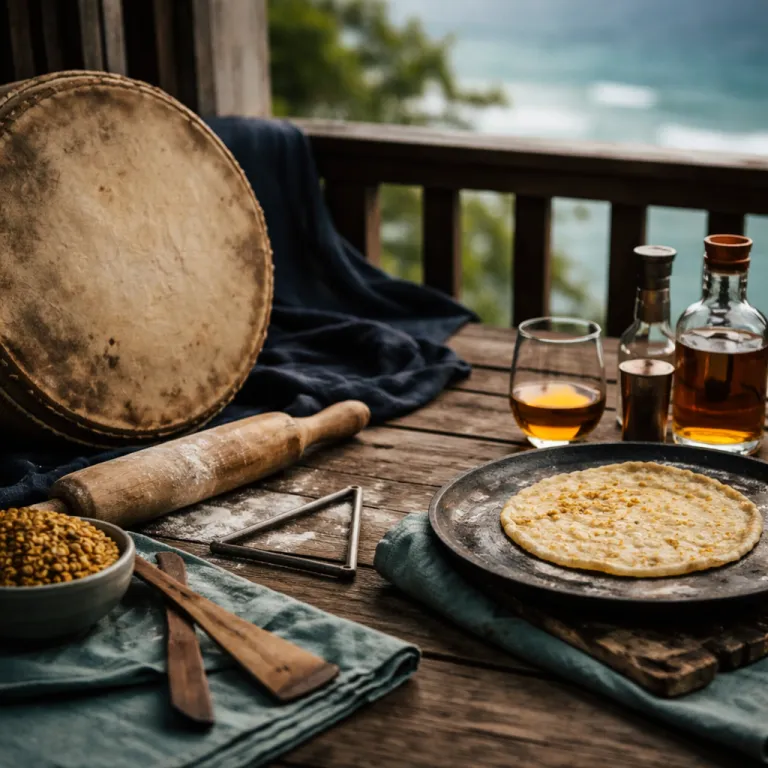
As evening falls, sega music drifts from beaches and village squares rather than only from hotel stages. To move beyond the resort show, ask your concierge to arrange a small scale sega session with local musicians, ideally on a quiet stretch of sand or in a Creole courtyard. A musician might explain how the ravanne drum is still made from goat skin and heated over a fire to tighten the sound, or how lyrics in Mauritian Creole carry stories of love, work and resistance. This is where cultural heritage travel in Mauritius feels intimate, as the rhythms, words and dance steps connect you directly to Mauritian people whose families have carried this tradition for generations.
From Black River Gorges to tea routes and rum estates: mapping culture onto landscapes
The interior of Mauritius island offers a different register of luxury, one defined by silence, altitude and deep green valleys. Black River Gorges National Park, often shortened locally to the gorges national park or simply river gorges, is where nature and history intersect in a landscape once threaded with hunting paths and maroon slave routes. Choosing a hotel that organises guided hikes here turns a simple walk into a lesson in endemic species, colonial forestry and the resilience of Mauritian culture.
On the way to the south west, many itineraries weave in the tea route, a gentle journey through plantations, factory visits and old estate houses. Stopping at a tea museum factory such as the one at Bois Chéri allows you to see how this everyday drink shaped both the economy and the social rituals of the island, from Creole verandas to Indo Mauritian family gatherings. A refined property that offers curated tea tastings, perhaps pairing local blends with Mauritian street food snacks, adds a subtle cultural layer to your stay in Mauritius.
Rum distilleries, particularly around Chamarel near the slopes of Morne Brabant, extend this dialogue between land and heritage. Here, sugarcane fields meet contemporary design, and tastings often include small batch rums that speak of specific plots and ageing methods. When you plan heritage travel in Mauritius, look for hotels that partner with these estates for private visits, because such access transforms a standard excursion into a nuanced reading of the island’s agricultural and colonial history.
Bel Ombre, Morne Brabant and the south coast’s layered heritage
The south coast, from Bel Ombre to the base of Morne Brabant, feels wilder and more elemental than the manicured north. Waves break harder here, cliffs rise steeper and the sense of natural drama is matched by a dense concentration of historical narratives. Many of the estates in Bel Ombre evolved from sugar domains, and some luxury hotels now restore old chimneys, mills and Creole houses as part of their cultural programming.
Morne Brabant itself, another UNESCO World Heritage Site since 2008, stands as a powerful symbol of resistance and memory. The mountain is linked to stories of escaped slaves, and hiking its slopes with a knowledgeable guide reframes the postcard view of lagoon and golf courses below. When a property integrates such excursions into its activities in Mauritius, it signals a commitment to heritage that goes beyond marketing language.
For travelers focused on Mauritian heritage tourism, the south coast offers a compelling balance between seclusion and significance. You can spend mornings exploring Black River villages, river gorges viewpoints and coastal temples, then return to a resort that understands how to interpret these experiences through its design and service. This is where the choice of hotel becomes a curatorial act, shaping how the island’s history and nature reach you each day.
Urban elegance, business districts and the cultural life between meetings
Not every luxury stay in Mauritius unfolds beside a lagoon, and that can be an advantage for culture focused travelers. Urban hotels around Port Louis and the business hub of Ébène place you closer to museums, galleries and the everyday rhythms of Mauritian people. For solo explorers who combine work and leisure, this proximity turns a short stay in Mauritius into an opportunity for deep cultural immersion between meetings.
One property that illustrates this balance is highlighted in an art inspired business stay guide to Ébène Cybercity, where contemporary design meets curated local artworks and easy access to Port Louis. From such a base, you can visit the Blue Penny Museum, smaller private galleries and the central market without committing to long transfers from the coast. This pattern suits travelers who value Mauritian cultural travel as much as they value efficient logistics and strong Wi Fi.
Urban stays also simplify practicalities such as car rental, especially if you plan to explore multiple regions of the island independently. With a vehicle, you can move from a morning in a botanical garden like the Sir Seewoosagur Ramgoolam Garden at Pamplemousses to an afternoon in a museum factory or a tea route estate, then return to the city for an evening of street food and sega. This flexibility helps you step outside the usual resort bubble and engage with Mauritian culture on your own terms.
Reading Port Louis through markets, museums and waterfront walks
Port Louis rewards slow, repeated visits rather than a single rushed excursion. The central market, with its pyramids of spices and fresh produce, offers a vivid introduction to Mauritian street food ingredients and daily life. Nearby, the Caudan Waterfront and its craft market provide a more polished setting for shopping, but the real interest lies in how these spaces reflect the island’s layered history of trade and migration.
Several museums cluster within walking distance of the port, each adding a different facet to your cultural travel in Mauritius. The Blue Penny Museum focuses on philately and colonial art, while other institutions explore slavery, indenture and maritime history. When your hotel concierge suggests a museum itinerary, ask them to include smaller cultural centres as well as the headline names, because these often host temporary exhibitions and interactive workshops.
Evening walks along the waterfront reveal another side of Port Louis, as office workers, families and visitors share the same promenades. This is where the abstract idea of multiculturalism becomes visible in the mix of languages, foods and fashions. Staying in or near the city for at least one night lets you experience this rhythm fully, rather than glimpsing it through a coach window.
Practical frameworks for planning mauritius culture heritage travel
Planning mauritius culture heritage travel begins long before you choose a room category. Start by clarifying which aspects of Mauritian culture matter most to you, whether that is music, religious architecture, food, or the history of migration and labour. Then map these interests onto specific regions of the island, from Port Louis and its port to the tea growing highlands and the coastal villages of Bel Ombre.
Entry formalities are straightforward for most nationalities, and recent changes are explained clearly in a dedicated guide to the new electronic travel authorisation system for Mauritius. Once your paperwork is in order, think about how you will move around the island in a way that supports both comfort and cultural depth. Car rental offers maximum flexibility for solo travelers, but guided tours and local buses can also play a role in a mixed strategy.
When evaluating hotels, look beyond spa menus and golf courses to examine their cultural programming. Do they organise visits to Aapravasi Ghat, the botanical garden at Pamplemousses or Black River Gorges National Park, or do they only promote water based activities in Mauritius? Are there partnerships with local artists, musicians or historians who can interpret Mauritian culture for guests in meaningful ways? These questions help you identify properties that treat heritage as a living resource rather than a decorative motif.
Aligning festivals, food and faith sites with your itinerary
Cultural festivals can transform a good trip into a defining one, especially on an island where multiple faiths share the calendar. Diwali, Chinese New Year and Independence Day each bring distinct colours, sounds and flavours to streets and temples, and planning your stay in Mauritius around one of these dates can be rewarding. “What are some major festivals in Mauritius? Diwali, Chinese New Year, and Independence Day.”
Religious sites, from Hindu temples with their vivid statues to quiet churches and mosques, punctuate both urban and rural landscapes. Many are easily combined with other visits, such as pairing a temple stop with a walk through a nearby garden or a tasting on the tea route. When entering these spaces, remember simple guidelines shared by local cultural organisations: respect local customs, dress modestly at religious sites, and try local cuisine in nearby eateries to complete the experience.
Food is perhaps the most accessible entry point into mauritius culture heritage travel, and it extends far beyond hotel buffets. Seek out dholl puri stalls, briani vendors and mine frite counters in areas recommended by your concierge, then contrast these with refined interpretations in hotel restaurants. This movement between street food and fine dining mirrors the broader journey between everyday Mauritian life and the curated comfort of luxury hospitality.
How luxury hotels can deepen your connection to Mauritian heritage
The most interesting luxury properties in Mauritius now act as cultural mediators rather than only as places to sleep. They curate activities in Mauritius that connect guests to local communities, whether through sega workshops, guided market visits or collaborations with artisans. For solo travelers, this curation provides both safety and depth, allowing you to engage with Mauritian people without feeling like part of a tour group convoy.
Some resorts near Black River or Bel Ombre integrate the surrounding landscape into their cultural narratives, highlighting how river gorges, coastal wetlands and old sugar lands shaped livelihoods. Others near Port Louis focus on urban culture, offering street food walks, museum tours and introductions to contemporary artists. When you evaluate mauritius top properties, pay attention to how convincingly they tell these stories, not just how beautifully they frame the lagoon.
Golf courses, spas and infinity pools remain part of the equation, but they no longer define the entire experience for culture minded guests. A round of golf overlooking Morne Brabant gains resonance when you have already walked its trails and heard its stories of resistance. In the same way, a sunset cocktail feels richer after a day that included a museum visit, a tea tasting and a conversation with a sega musician about their craft.
Balancing privacy, independence and local connection
Solo explorers often seek a balance between privacy and connection, and Mauritius is well suited to this rhythm. Many high end hotels offer discreet frameworks for independent exploration, such as flexible car rental partnerships, detailed self guided walking maps and on call local guides. These tools allow you to move from a quiet morning on your terrace to an afternoon in Port Louis or a national park without surrendering control of your schedule.
Safety and comfort are generally strong across the island, but cultural sensitivity remains essential. Simple gestures, such as greeting staff in Mauritian Creole or French, asking permission before photographing people, and showing interest in local history, open doors that no loyalty programme can. Over time, these interactions accumulate into the kind of cultural heritage travel in Mauritius that lingers long after you leave the island.
As interest in cultural tourism grows and heritage sites receive more attention, your choices as a traveler carry weight. Selecting hotels that support preservation efforts, employ local guides and engage with organisations like the National Heritage Fund helps sustain the very culture you came to experience. In this way, luxury travel in Mauritius becomes not just an escape, but a quiet contribution to the island’s ongoing story.
FAQ
What are the main languages spoken in Mauritius ?
English is the official language of Mauritius, and it is widely used in administration, business and many hotels. French is common in media and everyday conversation, especially in urban areas and among older generations. Mauritian Creole, a French based Creole, is the most widely spoken language in daily life across the island.
Which cultural festivals should I plan my trip around ?
Diwali brings illuminated houses, sweets and family gatherings, offering a vivid window into Indo Mauritian traditions. Chinese New Year fills certain districts with lion dances, firecrackers and special menus in Chinese restaurants. Independence Day focuses more on official ceremonies and national pride, but it still shapes the atmosphere in Port Louis and other towns.
How can I experience sega music beyond hotel shows ?
Ask your hotel to recommend small venues or community events where sega is performed for locals rather than only for visitors. Coastal villages, especially in the south and west, often host informal gatherings on weekends where music and dance unfold organically. Joining these with a local guide or trusted contact ensures both safety and respectful participation.
Is it easy to explore Mauritius independently without a tour group ?
Exploring Mauritius independently is straightforward if you are comfortable driving or using a mix of taxis and buses. Car rental gives you the most flexibility to reach national parks, tea estates and smaller villages at your own pace. Many luxury hotels support this style of travel with maps, suggested routes and vetted driver contacts.
Which heritage sites are essential for a first cultural trip ?
Aapravasi Ghat in Port Louis is fundamental for understanding the island’s migration history and multicultural society. Black River Gorges National Park combines natural beauty with historical resonance, especially when explored with a knowledgeable guide. Complement these with at least one tea estate, a major temple and time in the capital’s markets and museums for a rounded mauritius culture heritage travel experience.
References : Mauritius Tourism Promotion Authority; National Heritage Fund Act 2003; UNESCO World Heritage Centre (Aapravasi Ghat, Le Morne Cultural Landscape).