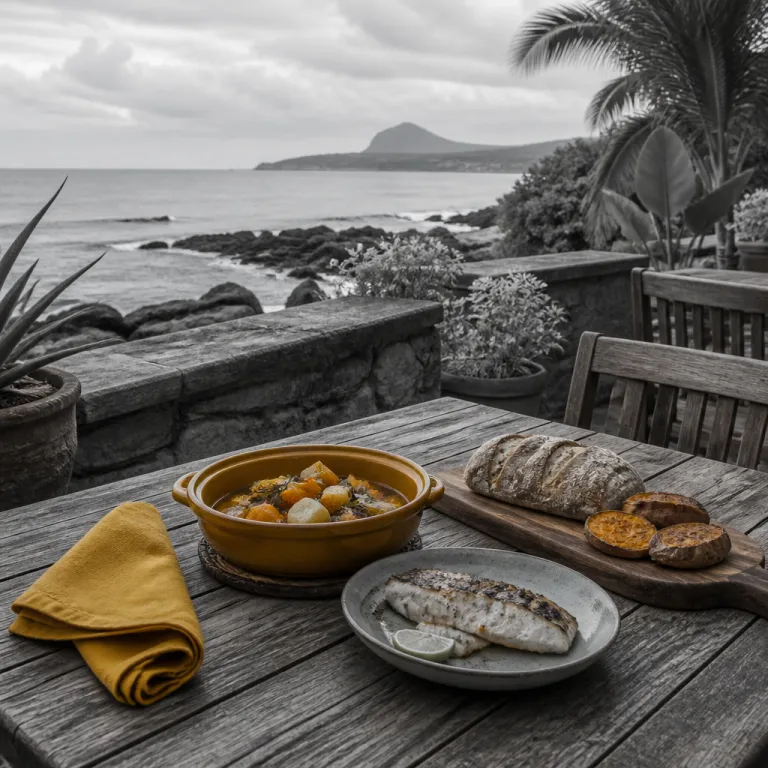
Winter on the Mauritius table: from lagoon clichés to seasonal reality
On this island in the Indian Ocean, Mauritius winter food and seasonal dining feel different once the trade winds cool the air. Average daytime temperatures hover around 20 °C between June and September, according to long-term charts from the Mauritius Meteorological Services, and the island nation quietly shifts from glossy mango platters to a more grounded Mauritian cuisine shaped by what farmers actually pull from the soil. If you plan a luxury stay, this is when local food becomes more intimate, less about spectacle on the beach and more about what families cook at home in cooler evenings.
Mauritian farmers move into a winter rhythm, sending carrots, potatoes, cauliflower, cabbage, chayote and pumpkin towards the nearest market rather than chasing only hotel contracts. Local markets in Port Louis and Flacq become the real engines of cool-season eating, with piles of citrus and root vegetables replacing the mountain of lychees you might expect. This is where Mauritius local food culture shows its depth, as households lean into soups, stews and slow-simmered dishes that suit the shorter days, and as Mauritian food on the family table mirrors what appears later in refined restaurants.
Resort chefs who respect this food culture work closely with these producers and with market vendors, rather than relying only on imported fruit to satisfy tropical clichés. They understand that Mauritian cuisine in winter is about balance between regional produce and the expectations of guests arriving from colder climates who still want a beach cocktail with something bright and sweet. When you choose a restaurant located inside a premium property, ask how the menu reflects the island’s winter season, and you will quickly hear whether there is real Indian influence and local commitment or just a generic island buffet with little sense of place.
Markets, citrus and spice: how winter produce reshapes luxury menus
Walk into Port Louis Central Market between June and September and you immediately feel how Mauritius winter food culture starts here, not in a polished hotel restaurant. Stalls lean heavily on oranges, lemons, grapefruits, tangy limes and guavas, while the air carries the scent of vanilla, cinnamon and pepper drying in the upper galleries. Regulars know the citrus sellers by name, and spice merchants on the mezzanine will often grind masala to order for chefs who arrive at dawn, long before guests wander down to the beach for breakfast or a late brunch.
One vendor might press you to taste her chilli paste before she sells it, while another talks you through which pumpkin suits a slow tomato-based curry and which is better deep fried in light batter. These conversations shape the Mauritian food that later appears as elegant dishes in a restaurant located in a waterfront hotel or a quiet inland retreat. As Port Louis trader Marie-Anne Bissondoyal likes to say, “Bon manze koumans dan bazar” – good food starts in the market – and when local food starts as carefully chosen produce rather than a generic order sheet, winter dining gains a clarity that you can taste in every dish.
Winter also brings a subtle shift in sugar cane and sugar-based treats, with more emphasis on warming desserts that sit well after a rich fish curry or a plate of Mauritian cuisine built around root vegetables. For couples planning a refined escape, this is the moment to pair a city stay with a market-focused itinerary and a night at a property that understands the island beyond the lagoon, such as those highlighted in this refined guide to luxury stays on the island. When you see menus referencing Port Louis or Flacq by name, and dishes that clearly echo what you saw at the market, you know the kitchen is aligned with the island nation’s real seasons and its evolving food culture.
From lagoon to plate: winter fish, fresh seafood and comfort curries
Cooler seas around Mauritius change what appears on the plate, and seasonal dining reflects that shift with quiet confidence. Certain species of fish move closer to shore, giving chefs more access to fresh seafood that suits slow cooking and robust sauces rather than only quick grilling on the beach. In winter you are more likely to see capitaine (snapper), vieille rouge (red rockfish), dorade, marlin and tuna on menus, often bought directly from small boats landing their catch at dawn in places like Grand Gaube or Mahebourg, where Mauritian fish markets come alive before sunrise.
Classic Mauritian cuisine leans on Indian influence, African roots and European technique, and winter is when that blend feels most coherent. You will see fish vindaye sharing space with aubergine fritters, both sometimes served as refined dishes street style, echoing the food stalls of Port Louis but plated with hotel polish. The most interesting dish in a restaurant overlooking the lagoon is often the fish cooked that morning in a tomato-based rougaille or a gently spiced curry, with the fish cooked in mustard or vinegar paired with seasonal citrus and a glass of chilled white wine or a light rum cocktail.
For couples combining golf and gastronomy, winter is an excellent time to book a course-side stay and then seek out a restaurant located near the clubhouse that respects this seasonal logic. After a round on one of the island’s better layouts, such as those highlighted in this guide to Mauritius golf courses worth extending a business trip, a bowl of bouillon with fresh seafood or a slow-cooked fish curry feels exactly right. The island nation’s exotic flavours are never louder than in summer, but in winter they are more precise, more aligned with what the lagoon and the land can honestly offer to Mauritian food lovers.
Street food, city hotels and how to eat like a local in winter
Winter is when Mauritius seasonal food lets you move between polished hotel dining rooms and the street food stalls of Port Louis without any sense of compromise. On the street level, you will find deep fried aubergine fritters, tomato-based curries ladled over rice and noodles, and small portions of fish vindaye that speak directly to the island’s Indian influence and Creole roots. These dishes street side are not an afterthought; they are the backbone of Mauritius local food culture during the cooler months, especially around lunchtime when office workers queue at favourite vendors and share tips on the best fish cooked that day.
Staying in the capital allows you to explore this food culture in detail, then retreat to a quiet room with a harbour view. A refined option is a waterfront property with a serious kitchen, such as the one reviewed in this guide to a Port Louis hotel for refined waterfront city escapes, where the restaurant located on the quay often mirrors what is happening in the nearby market. When a chef serves Mauritian cuisine that nods to street food while using fresh seafood and carefully sourced sugar cane products, you taste the island as locals do, not as a postcard or a generic beach resort brochure.
Mauritian households lean into seasonal comfort, and the same should guide your choices as a guest. As one local explanation from the Food and Agricultural Research and Extension Institute (FAREI) puts it, winter home cooking “incorporates more soups, stews, and dishes with seasonal produce,” reflecting crop calendars that highlight root vegetables and hardy greens. When you see menus that respect this logic, with Mauritian food built around local vegetables, fish curry and citrus rather than only imported fruit, you know your cool-season dining experience is aligned with the island nation rather than just the resort brochure.
FAQ about Mauritius winter dining and seasonal food
What fruits are in season during the Mauritian winter months ?
During the cool season in Mauritius, winter dining leans heavily on citrus and hardy fruits. You will commonly find oranges, lemons, grapefruits, limes and guavas at every market and in many restaurant desserts. Luxury properties that respect Mauritian cuisine will showcase these fruits in both simple plates and more elaborate dishes, often pairing them with local vanilla, rum or reduced sugar cane syrup for depth.
Which vegetables define Mauritian food in winter ?
Winter on the island nation brings an abundance of carrots, potatoes, cauliflower, cabbage, chayote and pumpkin, all of which shape seasonal menus. These vegetables appear in tomato-based curries, clear bouillon, gratins and even deep fried snacks that echo street food traditions. When you see these vegetables on a menu, you are tasting Mauritius local produce at its seasonal best, as documented in crop calendars published by FAREI and used by many chefs to plan their dishes.
How does Mauritian cuisine change between summer and winter ?
In warmer months, Mauritian cuisine often highlights tropical fruit, lighter salads and grilled fish eaten on the beach, while winter brings more soups, stews and slow-cooked dishes. You will notice more fish curry, fish vindaye, rougaille and daube on hotel menus, often paired with root vegetables and citrus. This shift makes Mauritius winter food feel more comforting and closer to what Mauritian households cook at home when the trade winds pick up and evenings in Port Louis or inland villages turn cooler.
Is street food still a good option during the cool season ?
Street food remains essential to understanding Mauritius winter food culture, especially in Port Louis and other busy towns. Vendors adapt by serving more hot dishes street side, such as deep fried aubergine fritters, steaming bowls of curry and fresh seafood snacks that warm you in the cooler air. Eating this local food alongside restaurant meals gives you a fuller picture of the island’s food culture and its blend of Indian, Chinese, Creole and European influences, all expressed through modest but flavourful dishes.
How can luxury travelers support local producers when dining in winter ?
Choose a restaurant located in a hotel that clearly references local markets, Mauritian farmers and seasonal ingredients on its menu. Ask staff which dishes use fresh seafood landed that day, which curries rely on local vegetables and which desserts highlight sugar cane or citrus from nearby plantations. By favouring Mauritian food rooted in local supply chains, you help sustain the island’s food culture and ensure winter dining remains authentic and closely tied to the harvest and to the people who grow and fish for it.
References
Mauritius Meteorological Services (seasonal temperature data); Mauritius Tourism Promotion Authority (winter travel guidance); Food and Agricultural Research and Extension Institute (FAREI) crop calendars and home cooking notes.