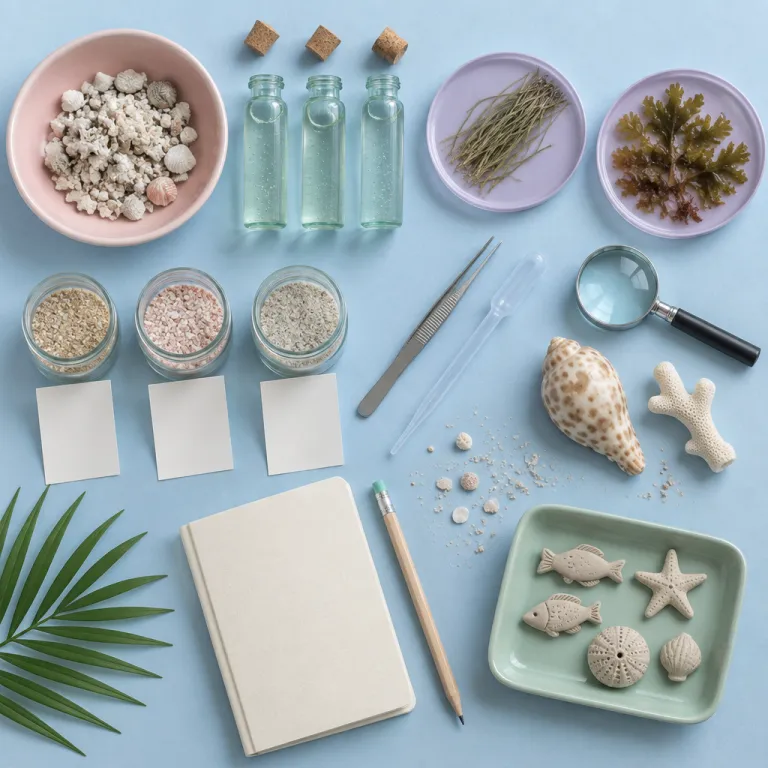
Why a Mauritius marine discovery centre suits the premium family
A mauritius marine discovery centre family experience changes how children see the island. In the calm lagoon, a good resort turns the reef into a classroom where young guests learn about marine life, coral gardens and the rhythm of local tides. Parents enjoy the rare balance of meaningful education, warm sun and the kind of attentive service that defines a premium stay.
On Mauritius, the best marine discovery programmes sit inside full service luxury properties, so you can book one base and let the ocean set the agenda for the week. These resorts usually place the centre close to the beach, where the water stays shallow and clear, making first snorkels feel safe even for nervous swimmers in the family. When you choose carefully, the mauritius marine discovery centre family offer becomes the quiet highlight of the trip, not just another activity on a long list.
Look for a resort where the marine centre is staffed daily and where the équipe can explain the local marine ecosystem in language children understand. A serious property will talk about seagrass, reef fish and life marine cycles, not only about colourful photos for social media. That is where the mauritius marine discovery centre family concept earns its place in a luxury itinerary, giving substance to the beauty of the lagoon.
What a serious resort marine centre actually offers your children
Families often ask what a marine discovery programme really includes during a stay in Mauritius. At the better centres, your children join guided snorkel outings, short reef talks and simple surveys that introduce marine life without ever feeling like school. These sessions usually run in small groups, so the marine team can watch every child closely in the water.
Expect a mix of shallow lagoon snorkelling, sandbank walks and time in the centre itself, where tanks and charts help young guests learn how a marine ecosystem works. Many resorts now add junior marine biology workshops, where children handle seagrass samples, identify shells and understand why life marine diversity keeps the reef healthy. When a property describes itself as ideal for a mauritius marine discovery centre family holiday, these are the kinds of structured activities you should quietly demand.
Some hotels extend the programme beyond the beach, weaving in local food tastings, simple cooking classes and even a gentle beach clean at long beach style stretches of coast. That way, children see how the ocean shapes island culture, from the fish on their plates to the séga rhythms they hear at sunset. For parents, this depth of programming is what separates a true marine discovery centre from a token desk with snorkels and a brochure.
When you compare options, use curated resources such as this guide to Mauritius island hotels for a refined stay by the lagoon to shortlist properties that already take the lagoon seriously. Then, contact the hotel directly and ask for a weekly schedule of marine activities for both adults and children. The clarity of that schedule will tell you more than any glossy photograph.
Why Mauritius lagoons are ideal for first snorkels and young explorers
Not every tropical island suits a mauritius marine discovery centre family style holiday, because conditions matter for children. Mauritius has a protective coral barrier that calms the ocean into a necklace of lagoons, where water stays warm and usually shallow near the shore. That geography gives parents confidence and lets marine guides focus on teaching, not only on safety drills.
On the east coast, long beach style stretches offer wide sandy entries, while the west and north coasts often deliver glassy mornings with almost no chop on the water. These are the hours when a marine discovery snorkel feels magical for a child, with shafts of sun lighting up parrotfish and shy octopus in the reef. A thoughtful resort team will time family outings to these calmer windows, then leave afternoons free for rest or pool time.
Families from cooler climates often choose Mauritius for winter sun without the swelter, especially when children tire quickly in extreme heat. For a deeper look at timing, this analysis of winter sun that suits heat averse travellers explains why certain months feel softer on the skin. Combine that seasonal sweet spot with lagoon conditions, and you understand why the mauritius marine discovery centre family formula works so well here.
Do remember that even in gentle lagoons, the ocean remains a living system, not a theme park. Teach children to respect currents, follow the marine life guide and never touch coral, even when it looks like rock. That early lesson in humility may be the most valuable souvenir they bring home.
How to spot a genuine marine programme, not a token activity
When you plan a mauritius marine discovery centre family trip, the hardest part is separating marketing from meaningful work. A real programme usually has a resident marine biologist or a long term partnership with a conservation NGO, visible in the centre and in daily schedules. If you cannot find the name of a marine expert or partner, treat the offer with caution.
Before you book, contact the hotel and ask very specific questions about the marine discovery activities. Request details on how often reef talks run, whether children can join simple reef surveys and how the équipe monitors marine life sightings over time. Serious properties will answer quickly, often sharing examples of turtle monitoring, coral gardening or seagrass mapping around the island.
Look for signs that the programme touches the wider resort, not only the centre itself. Housekeeping and front office teams might join regular beach clean mornings, while the kitchen uses local food from sustainable fishers and explains those choices on the menu. Some hotels even weave marine themes into team building sessions for corporate groups, turning life marine protection into a shared value rather than a niche hobby.
When you want a city and lagoon combination, consider refined waterfront bases such as the properties reviewed in this guide to waterfront city escapes in Port Louis. From there, you can contact marine centres along the coast for day trips, letting children enjoy the reef while you savour the food and culture of the capital. The key remains the same : ask precise questions, and choose the hotel that treats the ocean as a neighbour, not a backdrop.
Designing days that balance reef learning and real relaxation
A mauritius marine discovery centre family holiday works best when you pace it carefully. Children can only absorb so much information about marine life before they need to simply enjoy the beach, the pool and the easy rhythm of island days. Parents also deserve quiet hours with a book, a spa treatment or a long lunch by the ocean.
Think of the reef as the morning classroom, when the sun sits lower and the water feels calmest for snorkels or lagoon walks. After lunch, let the younger guests drift towards supervised kids clubs, shaded pools or even gentle cooking classes that highlight local food traditions. While they learn how to prepare a simple Creole snack, you might slip away for a tasting menu that pairs fresh fish with Mauritian rum or a crisp South African white wine.
Many resorts now design weekly calendars that weave marine discovery with culture, sport and downtime, so families never feel rushed. One day might start with a short beach clean and reef talk, then slide into paddleboarding, while the next focuses on life marine stories told by a local fisherman at sunset. When you book, ask the team to share this calendar in advance, then block out at least one completely unscheduled day, because the most memorable moments often arrive when you do nothing at all.
Choosing the right coast and property for your family
Different coasts of Mauritius suit different versions of the mauritius marine discovery centre family dream. The east offers dramatic sunrises, long beach stretches and a sense of space, while the west usually brings calmer seas in the afternoon and postcard sunsets. The north balances both, with easy access to excursions and a lively restaurant scene for parents who care about food as much as snorkelling.
When you shortlist properties, start with the basics : safe swimming zones, a clearly marked marine discovery centre and a team that can explain the local marine ecosystem in detail. Then, look at room categories to ensure that family suites or interconnecting rooms keep everyone close without sacrificing privacy during the stay. If your children are very young, prioritise resorts where the centre sits only a short walk from your terrace, so nap times and ocean sessions can flow naturally.
Older children and teenagers often respond well to more structured engagement, from citizen science style reef surveys to gentle team building games on the sand. Ask whether the hotel offers chances to log fish sightings, join guided kayak trips or help plant coastal vegetation that protects the beach. These touches turn a simple holiday into a formative experience, where the island becomes a living textbook and the ocean feels like a familiar neighbour rather than a distant horizon.
Key figures on marine tourism and family education in Mauritius
- According to the Mauritius Tourism Promotion Authority, over one million visitors arrive in Mauritius each year, and a significant share of premium guests now request marine and lagoon based activities for their families.
- Data from the United Nations Environment Programme indicate that coral reefs support at least a quarter of all marine species, which helps explain why marine discovery centres place such emphasis on reef health in their educational sessions.
- Studies referenced by the International Union for Conservation of Nature show that well managed marine protected areas can increase fish biomass by more than 400 percent compared with unprotected zones, a statistic many guides use to illustrate the impact of conservation to children.
- Research summarised by UNESCO on ocean literacy suggests that early exposure to hands on marine education significantly improves long term environmental awareness, supporting the case for integrating reef learning into family holidays.
FAQ about marine discovery centres and family stays in Mauritius
What age is best for children to join marine discovery activities ?
Most Mauritius resorts welcome children from around six years old into structured marine discovery sessions, because they can follow safety instructions and swim with basic confidence. Younger children often join shoreline walks, sandbank explorations and simple life marine storytelling instead of full snorkel outings. Always ask the centre to assess your child individually, as comfort in the water matters more than age alone.
How can I check the quality of a resort’s marine programme before I book ?
Start by reading recent guest reviews that mention the marine discovery centre specifically, not just general water sports. Then, contact the hotel and request a sample weekly schedule, details on any resident marine biologist and information about partnerships with conservation organisations. Clear answers and concrete examples usually signal a serious programme, while vague promises suggest a light touch.
Do marine discovery activities cost extra at luxury resorts in Mauritius ?
Policies vary by property, but many premium resorts include basic reef talks, lagoon walks and introductory snorkels in the room rate. More specialised experiences, such as private marine life tours, extended boat trips or advanced courses, often carry a supplement. When you plan a mauritius marine discovery centre family holiday, ask for a full price list so you can budget accurately.
Is marine education safe for children who are not strong swimmers ?
Reputable centres design activities around lagoon conditions and individual ability, keeping weaker swimmers in very shallow water or on glass bottom boats. Life jackets, small group ratios and clear safety briefings are standard, and parents are usually encouraged to join the first sessions. If your child feels anxious, start with shore based discovery in the centre itself, then move gradually towards the ocean.
Can dietary needs be respected while still enjoying local food at these resorts ?
Luxury hotels in Mauritius are used to accommodating dietary requirements, from vegetarian to gluten free and beyond. Many chefs enjoy the challenge of adapting local food traditions, using fresh island produce and sustainable seafood where appropriate. Inform the team in advance, and they will usually weave your needs into both children’s menus and any cooking classes linked to the marine discovery programme.