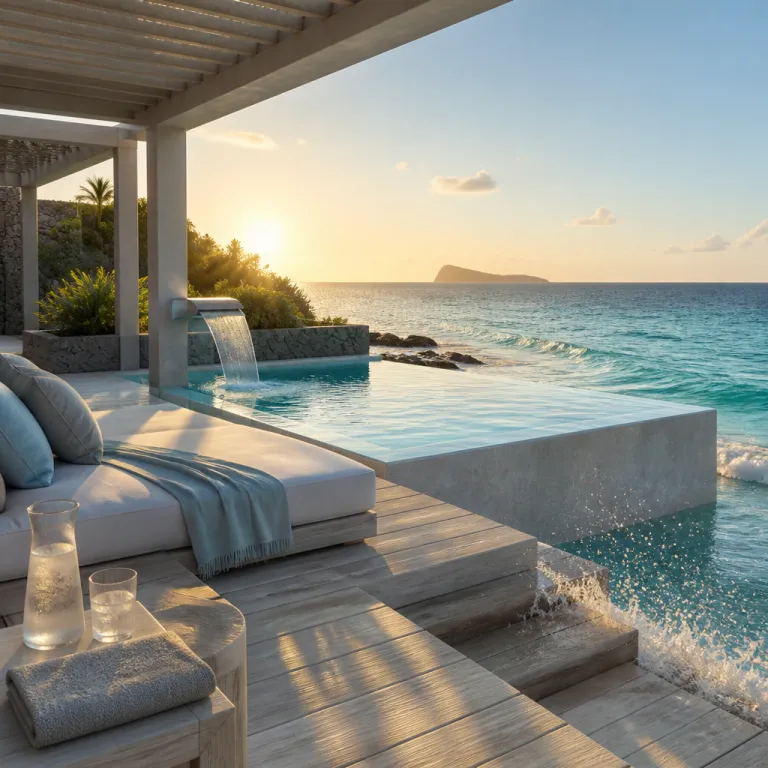
Luxury hotels in Mauritius: how the Indian Ocean shapes high-end island stays
Why Mauritius in the Indian Ocean sets a different standard for luxury stays
Mauritius is not just another tropical island; it is a self-contained world of refined hospitality. On this compact Indian Ocean nation of about 2 040 km², the main island combines lagoon calm, volcanic peaks and a coastline of roughly 330 km that feels purpose-built for premium resorts. For travellers comparing islands across the region, the way luxury hotels here integrate Mauritian culture, service and landscape is what quietly sets the destination apart.
The capital Port Louis anchors the experience, even if you sleep along the north or east coasts. Many high-end guests now split their time between a resort on the main island and curated day trips into Port Louis, where the Caudan Waterfront, the central market and the port district reveal the living pulse of this island nation. When you book a luxury hotel in Mauritius, you are booking into a country with a population of about 1.3 million, where the government has long prioritised tourism quality over volume. According to Statistics Mauritius and the World Bank, this relatively small population supports a sophisticated service sector without overwhelming the island’s natural setting.
The republic sits in the south-west Indian Ocean, roughly 2 000 km off the coast of Africa and east of Madagascar. This position within the Mascarene Islands chain, alongside Rodrigues Island and Réunion, gives the archipelago a climate that is warm, maritime and increasingly shaped by climate change. For premium travellers, that ocean setting opens window after window onto coral lagoons, sheltered bays and long beaches that remain more tranquil than many islands closer to mainland Africa or India.
From Port Louis to Rodrigues: choosing the right luxury base across the islands
Choosing where to stay in Mauritius starts with understanding the island’s distinct coasts. The north around Grand Baie and Trou aux Biches offers some of the most established luxury resorts on Mauritius Island, with calm seas, refined dining and easy access to Port Louis for cultural excursions. Families often favour this area for its protected lagoons and choice of luxury family resorts on the north coast, while couples appreciate the mix of beach clubs and sunset cruises. On the east coast, properties facing Ile aux Cerfs and the wider ocean feel more secluded, with long beaches and a sense of the open Indian Ocean territory stretching towards India.
The west and south-west coasts look back towards Africa and are favoured for sunsets, dolphin encounters and access to the Chamarel region. Many premium travellers pair a stay here with a curated rum route from Chamarel to Labourdonnais, weaving in distillery visits that elevate the Mauritian art of ageing rum. Further afield, Rodrigues Island to the east of the main island offers a quieter, more traditional atmosphere, where smaller luxury properties focus on lagoon experiences and slow travel.
While Rodrigues belongs to Mauritius, it feels like a different world within the Mascarene Islands, and combining both islands in one trip can deepen your sense of Mauritian life. For most luxury guests, the practical choice is between a single base on Mauritius Island or a twin-centre stay that includes Rodrigues for a more intimate island experience. Typical itineraries might combine five nights at a beach resort in the north with three nights on Rodrigues, linked by a short domestic flight of about 90 minutes.
Ocean facing suites, reef lagoons and whale routes: how the sea shapes luxury
Every premium stay in Mauritius is defined by its relationship with the sea. On the leeward west coast, many five-star resorts front shallow lagoons where the coral reef acts as a natural breakwater, creating calm conditions for paddleboarding and swimming. On the windward east coast of Mauritius Island, hotels often design their suites and villas to frame the raw energy of the open Indian Ocean, with long views towards the horizon.
Between June and October, the ocean around the main island becomes a corridor for humpback whales, and high-end hotels now curate discreet boat trips that respect marine life. Guests staying in the north or west often use specialist operators recommended by their hotel and follow guidance such as that in this guide to where to spot whales off Mauritius. These experiences highlight how the wider Indian Ocean territory, from Rodrigues Island to the deeper waters beyond, is both a playground and a responsibility for the Mauritian hospitality sector.
Further north in the ocean, the atoll of Diego Garcia and the surrounding Chagos Archipelago form a separate British Indian Ocean Territory administered by the United Kingdom, distinct from the Republic of Mauritius. While these islands are not open to leisure travel in the same way, their existence underlines how strategic this part of the Indian Ocean has become for the United States, the British government and regional security. For luxury travellers, awareness of this wider context often deepens appreciation of the peaceful lagoons and carefully protected reefs that surround Mauritius Island itself.
History, culture and power: what shapes the character of Mauritian luxury
The character of luxury stays in Mauritius is inseparable from the island’s layered history. Once known as Isle de France under French rule, the main island later passed to the British, who integrated it into a wider Indian Ocean network of ports and ocean routes. This dual French and British heritage still shapes everything from architecture in Port Louis to the languages spoken in Mauritian hotels.
In the capital, the port and surrounding districts show how trade once linked Mauritius to Africa, India and beyond, and how that legacy now feeds into a cosmopolitan hospitality scene. Many premium travellers schedule a guided walk through Port Louis before retreating to their resort, using resources such as this in-depth look at why the market in Port Louis matters more than the overwater villa. Such experiences reveal how the island’s Mauritian identity has been shaped by communities with roots in India, Africa, China and Europe, and how that diversity enriches hotel cuisine and service.
Politically, Mauritius is a parliamentary democracy where the prime minister leads the government, and figures such as Sir Seewoosagur Ramgoolam are central to the story of independence. The international dispute between Mauritius and the United Kingdom over sovereignty of the Chagos Archipelago, including Diego Garcia, is part of the modern narrative that informs national pride. When you stay in a luxury resort on Mauritius Island, you are entering a country that balances its role as a high-end travel destination with a clear sense of its rights, history and place in the Indian Ocean.
Practical elegance: how to choose and book the right luxury hotel
Selecting a premium hotel in Mauritius starts with clarifying what you want from the island. If you value easy access to nightlife, shopping and the port, the north and north-west coasts near Port Louis and Grand Baie are ideal, with many properties offering private transfers into the capital. For guests seeking a quieter stay focused on lagoon swimming and long walks, the east and south coasts of Mauritius Island feel more secluded and closer to nature.
Time of year matters, because the Mauritian climate shifts subtly between warmer, more humid months and cooler, drier periods, and climate change is beginning to influence rainfall patterns. Broadly, the peak dry season from June to September suits active travellers, while the warmer months from November to April appeal to guests who prioritise swimming and water sports. The Mascarene Islands, including Rodrigues Island and Mauritius, experience a maritime climate where the surrounding Indian Ocean moderates extremes, but cyclones can occasionally affect travel plans. When booking, look for hotels that communicate clearly about their climate resilience measures, reef protection initiatives and how they manage water use on the main island.
Airport transfers usually start at Sir Seewoosagur Ramgoolam International Airport in the south-east, named after the first prime minister of independent Mauritius. From here, luxury travellers can reach most coasts within 60 to 90 minutes, with private cars or helicopters available for those who value speed and privacy. As a guide, transfers to the north coast typically take around 70 to 80 minutes by road, while the east and west coasts are often 45 to 60 minutes away. Whether you are arriving from Africa, India, the United Kingdom or the United States, a well-organised transfer sets the tone for a stay where every detail feels considered.
Signature experiences: from Ile aux Cerfs to Rodrigues Island and beyond
Once you have settled into your hotel in Mauritius, the real pleasure lies in curated experiences that connect you to the islands. A classic day trip from the east coast is a private catamaran to Ile aux Cerfs, where shallow turquoise waters and white sand create a postcard setting for swimming and lunch. Many luxury resorts on Mauritius Island now work with skippers who understand both the lagoon’s ecology and the expectations of premium guests.
On the north coast, sunset cruises towards Coin de Mire and the outer islands combine views back to the main island with a sense of the wider Mascarene Islands chain. Guests often comment that these excursions open a window onto the geography of Mauritius, showing how the reef, the port of Port Louis and the mountains align. For travellers with more time, a short flight to Rodrigues Island reveals a slower rhythm, where the Mauritian Creole language, local markets and unspoilt lagoon feel far removed from busier routes between Africa and India.
Those interested in geopolitics sometimes extend their reading to the Chagos Archipelago and Diego Garcia, even though these islands are not part of standard travel itineraries. The ongoing discussions between Mauritius and the United Kingdom about this British Indian Ocean Territory highlight how questions of sovereignty intersect with ocean conservation. Understanding this context can make a simple walk along a quiet beach on Mauritius Island feel more meaningful, as you appreciate both the beauty and the complexity of this part of the Indian Ocean.
Responsible luxury: climate, community and the future of Mauritian hospitality
Luxury travel in Mauritius is increasingly defined by responsibility as much as refinement. Hoteliers on Mauritius Island now speak openly about how climate change is affecting coastal erosion, coral health and rainfall, and many invest in reef restoration and beach nourishment. At properties such as Constance Prince Maurice and Four Seasons Resort Mauritius at Anahita, guests can learn about coral nurseries and lagoon monitoring projects that support long-term reef resilience.
The government of Mauritius has set ambitious goals for renewable energy and marine protection, recognising that the main island and Rodrigues Island depend on a healthy ocean. In Port Louis, policy makers work with international partners from Africa, India, the United Kingdom and the United States to secure funding and expertise for these initiatives. As one hotel manager on the west coast notes, “Guests now ask as many questions about our conservation work as they do about our wine list,” a reminder that discerning travellers increasingly value purpose alongside comfort.
Official information confirms the strategic and environmental importance of this region; for example, “Mauritius is located in the Indian Ocean, approximately 2,000 kilometers southeast of the African continent, east of Madagascar. (indianoceanmap.com)”. When you book a premium stay on Mauritius Island, you are not only choosing a place of comfort but also participating in an evolving story about how islands in the Mascarene Islands balance prosperity with protection. Responsible choices today help ensure that future guests will still find clear lagoons, vibrant reefs and a Mauritian culture that feels confident and alive.
Key figures that shape luxury travel in Mauritius
- The population of Mauritius is about 1.3 million people, which supports a sophisticated hospitality workforce while keeping the island nation relatively uncrowded for visitors (source: Statistics Mauritius, World Bank).
- The total area of Mauritius Island is approximately 2 040 km², meaning luxury resorts are never far from both the coast and inland attractions such as Port Louis or Chamarel (source: Statistics Mauritius, CIA World Factbook).
- The coastline of Mauritius stretches for roughly 330 km, providing an exceptional ratio of beach and lagoon access to land area for high-end hotels (source: CIA World Factbook).
- Mauritius lies about 2 000 km south-east of the African continent, placing it firmly within the south-west Indian Ocean and giving it a maritime climate moderated by surrounding waters (source: indianoceanmap.com).
FAQ about luxury and premium hotel stays in Mauritius
Where exactly is Mauritius located in the Indian Ocean ?
Mauritius is a volcanic island nation in the south-west Indian Ocean, situated about 2 000 km south-east of the African mainland and east of Madagascar. It forms part of the Mascarene Islands, alongside Rodrigues Island and Réunion. This remote position gives Mauritius Island a distinct climate and a sense of seclusion valued by luxury travellers.
What is the capital of Mauritius and why does it matter for hotel guests ?
The capital of Mauritius is Port Louis, located on the north-west coast of the main island. For hotel guests, Port Louis offers markets, museums and a working port that reveal the living culture behind the resort experience. Many premium properties arrange private guided visits so guests can explore the city comfortably before returning to their ocean-facing suites.
How large is Mauritius and does that affect where I should stay ?
Mauritius Island covers about 2 040 km², which means you can cross the main island by car in a few hours. This compact size allows travellers to choose a preferred coast, such as the north, east or west, without losing access to other regions. It also makes twin-centre stays, for example combining the north with the south-west, both practical and appealing.
Is Rodrigues Island worth adding to a luxury itinerary ?
Rodrigues Island is a smaller Mauritian territory to the east of Mauritius and offers a quieter, more traditional atmosphere. For travellers who appreciate slow travel, lagoon exploration and intimate properties, Rodrigues can be an excellent complement to a stay on Mauritius Island. A short flight connects the two islands, making it feasible to include both in a single Indian Ocean journey.
How is climate change influencing luxury travel in Mauritius ?
Climate change is affecting coastal erosion, coral reef health and rainfall patterns around Mauritius in the Indian Ocean. Many high-end hotels now invest in reef restoration, beach protection and water management to safeguard the environment that underpins their appeal. Guests who prioritise responsible travel increasingly look for properties that communicate transparently about these efforts and support local Mauritian communities.